Russia Unleashes Deadly Barrage on Kyiv Hours Before Critical NATO Summit in Ankara
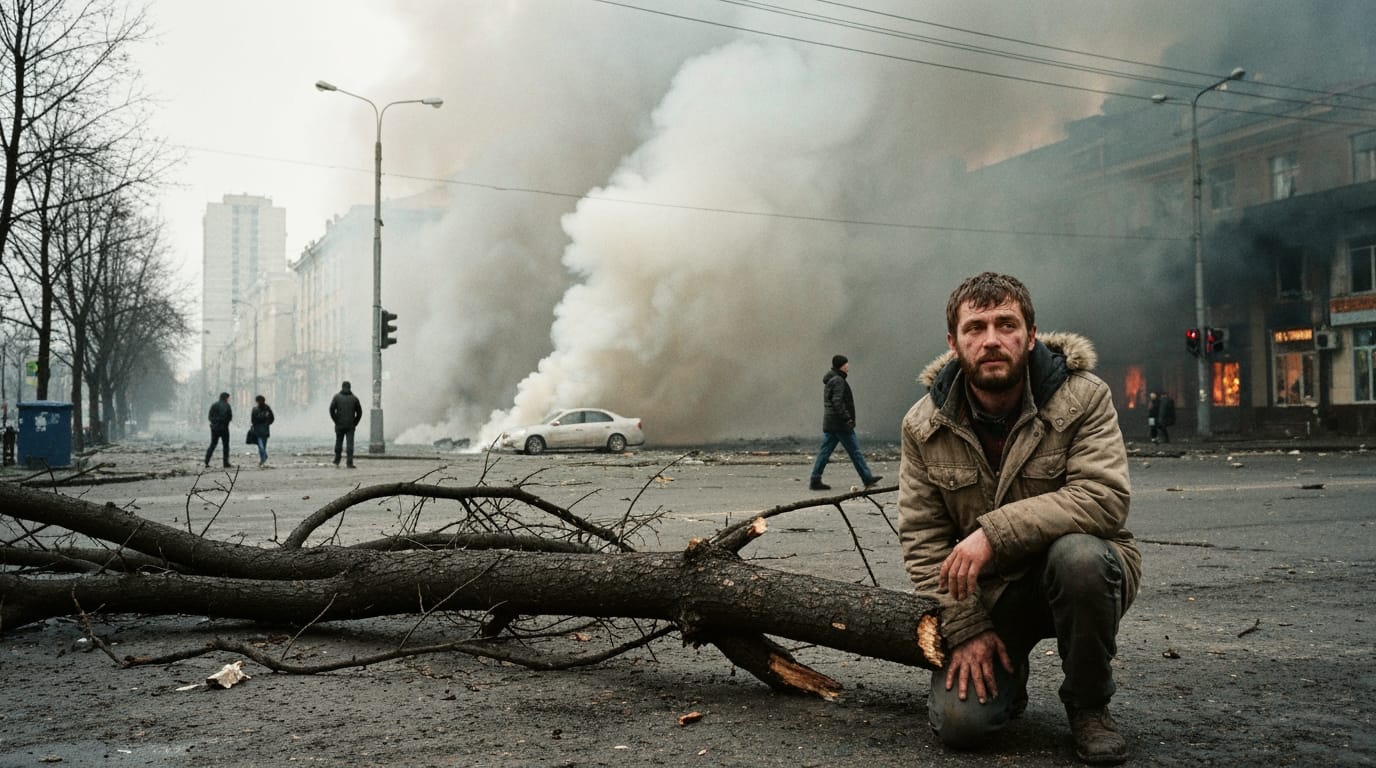
KYIV, Ukraine – Russia launched a devastating wave of ballistic missiles and drones at Ukraine’s capital, Kyiv, on Monday, July 6, 2026, killing at least 24 people and injuring more than a hundred others, just hours before world leaders were set to convene for a crucial NATO summit in Ankara, Turkey. The pre-dawn assault, which struck residential areas and vital infrastructure, marks the second major attack on Kyiv in less than a week and sent an unmistakable message of continued aggression as the transatlantic alliance prepares to address the ongoing conflict. Ukrainian President Volodymyr Zelenskyy has intensified calls for bolstered air defenses, framing the attacks as a direct challenge to the international community's resolve.
Kyiv Reels Under Renewed Assault
The Monday morning bombardment saw explosions rip through several districts of Kyiv, turning residential buildings into rubble and igniting widespread fires. Officials reported that a multi-story apartment block in the Podilsky district suffered a direct hit, with its upper floors torn apart. Emergency services worked through the night and into the day, evacuating trapped residents and searching for survivors amidst the debris. Kyiv Mayor Vitali Klitschko confirmed widespread destruction, emphasizing the indiscriminate nature of the strikes. The casualties, which included civilians, underscored the brutal reality faced by Ukrainians as the conflict enters its fifth year. This latest attack followed another Russian assault just days prior that killed more than 30 people in the capital, highlighting a disturbing escalation in the frequency and intensity of strikes targeting urban centers. President Zelenskyy stated that Russia fired 68 missiles, many of them ballistic, and 351 attack drones in the recent barrage.
Ankara Summit: A Test of Unity and Resolve
The deadly attacks in Kyiv cast a long shadow over the NATO summit beginning Tuesday, July 7, in Ankara, Turkey. The summit, marking a critical juncture for the 32-member alliance, is set to focus on bolstering support for Ukraine, strengthening NATO's deterrence and defense posture, and adapting to evolving security challenges. Ukrainian President Zelenskyy is expected to be a prominent figure at the summit, where he will press allied nations for urgent reinforcements of Ukraine's air defense capabilities, particularly the provision of more interceptor missiles for U.S.-made Patriot systems. U.S. President Donald Trump is scheduled to meet with Zelenskyy to discuss military assistance and peace efforts, and is also expected to engage with Russian President Vladimir Putin following the summit. The timing of the Kyiv strikes is widely seen as an attempt to directly influence these high-stakes diplomatic proceedings.
Decoding Putin's Strategic Intentions
Analysts and Ukrainian officials interpret the timing and nature of Russia's intensified attacks as a deliberate and multi-faceted strategic maneuver by President Putin. One primary goal appears to be to project an image of undiminished military capability and to sow fear among the Ukrainian populace and its allies. The use of hard-to-intercept ballistic missiles demonstrates Russia's continued ability to inflict significant damage deep within Ukrainian territory.
Moreover, the strikes serve as a stark political signal aimed directly at the NATO summit participants. By escalating violence on the eve of the meeting, Putin likely seeks to underscore Ukraine's vulnerability and place the urgency of air defense at the forefront of the discussions, potentially aiming to exploit perceived divisions or reluctance among NATO members. President Zelenskyy articulated this, stating, "It is simply absurd that in the modern world production has still not been scaled up to the level actually required to protect people from ballistic terror." The attacks also highlight Ukraine's critical shortage of interceptor missiles, a vulnerability Russia appears keen to exploit.
Some experts suggest these attacks are also a bid to shift the narrative. Amidst Ukrainian successes, such as persistent drone strikes on Russian oil refineries and military production facilities causing domestic fuel shortages and states of emergency in regions like Crimea, Russia may be attempting to project strength and regain initiative. A senior NATO official, speaking on the sidelines of the Ankara summit, indicated that while Russia remains a long-term threat, its capacity for a direct attack on NATO is limited due to its commitments in Ukraine. However, this perspective does not diminish Russia's capability to continue its brutal war against Ukraine.
Ukraine's Resilient Defense and Calls for Greater Support
Despite the horrific assaults, Ukraine continues to demonstrate resilience and has intensified its own long-range strike campaign against targets within Russia and Russian-occupied territories. In June, there was a significant increase in Ukrainian drone and missile strikes against Crimean infrastructure, including oil terminals and power substations, leading to fuel shortages and public unease in the annexed peninsula. These actions illustrate Ukraine's growing capacity to bring the war home to Russia.
However, the efficacy of these counter-strikes does not negate Ukraine's urgent need for more robust air defense. President Zelenskyy's repeated pleas for advanced air defense systems and interceptor missiles underscore a critical requirement to protect Ukrainian cities and civilians from relentless Russian aggression. The European Union and NATO chief Mark Rutte have echoed the sentiment that allies must continue to ensure Ukraine receives the necessary support. The Kremlin, for its part, is closely monitoring the NATO summit, criticizing the pre-summit rhetoric as confrontational while signaling a cautious openness to peace efforts, albeit on its own terms.
High Stakes in Ankara
As NATO leaders gather in Ankara, the smoke still clearing over Kyiv serves as a grim reminder of the war's ongoing brutality and Russia's unwavering aggression. The deliberate timing of the missile and drone attacks places immense pressure on the alliance to deliver concrete decisions and enhanced support for Ukraine. The summit's outcomes will not only shape Ukraine's immediate ability to defend itself but will also signal the collective determination of NATO in confronting a revisionist Russia. With both kinetic and diplomatic battles intensifying, the world watches to see if the unity and resolve of the transatlantic alliance can withstand Moscow's calculated provocations.


