Russia Unleashes Deadly Barrage on Kyiv, Ukraine Issues Nationwide Alert
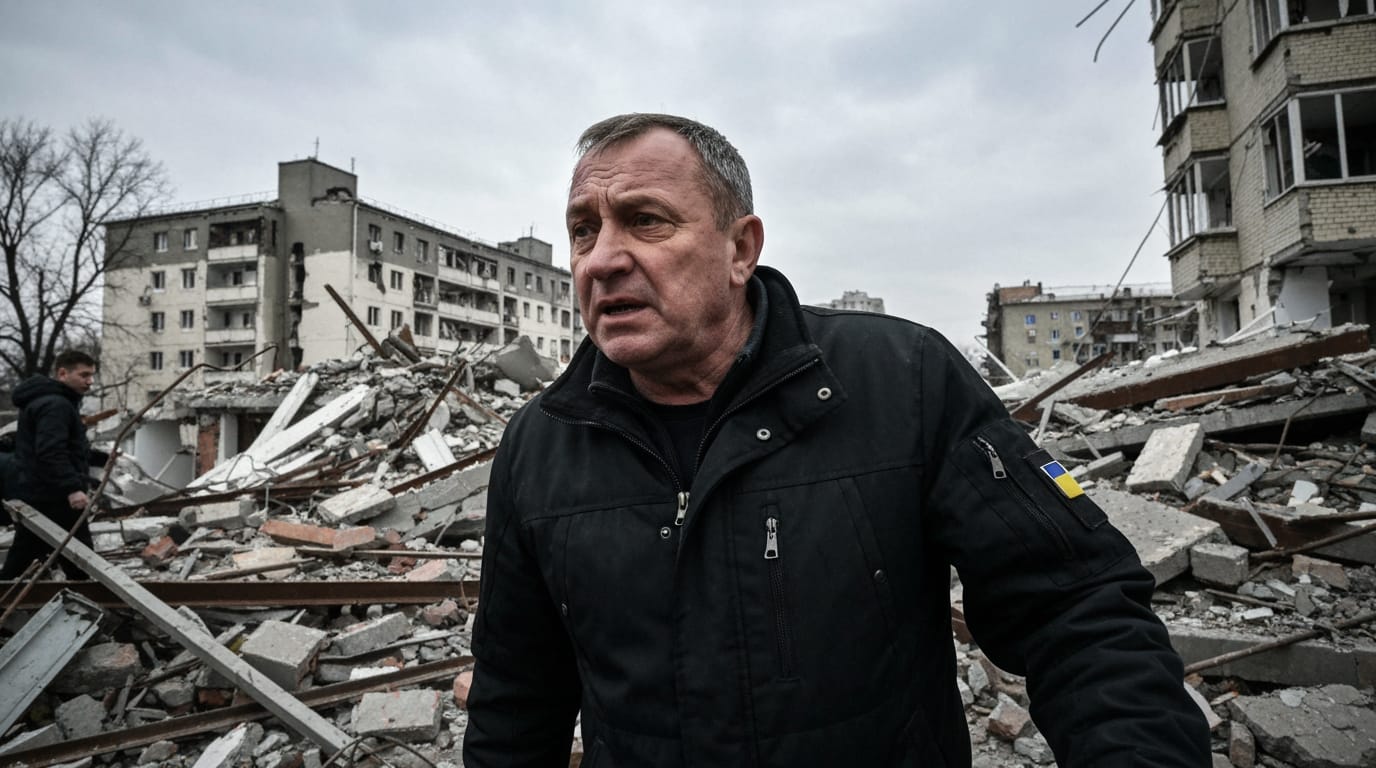
Kyiv awoke Friday to the grim reality of renewed Russian aggression as a series of missile and drone strikes rocked the Ukrainian capital and its surrounding areas, claiming at least three lives and injuring several others. The widespread aerial assault, which prompted a nationwide missile warning, also struck critical infrastructure in the western city of Lviv, underscoring the relentless and indiscriminate nature of the ongoing conflict. Emergency services have been deployed across affected regions as rescue operations commenced amidst the rubble.
The deadly predawn attack on January 9, 2026, saw Russian strikes hit Kyiv and its suburbs, resulting in the confirmed deaths of at least three individuals. Six more people sustained injuries, with three requiring hospitalization, according to Kyiv Mayor Vitali Klitschko. The offensive unfolded after Ukraine's air force issued a countrywide missile threat, confirming that Russian bombers were airborne, signaling an imminent large-scale assault. In Lviv, far to the west of the capital, local officials reported that critical infrastructure had been targeted, with emergency crews actively working to extinguish fires and assess the damage. Eyewitness accounts and reports indicated smoke rising from an apartment building in Kyiv that had been struck by a Russian drone, painting a stark picture of the destruction inflicted on civilian areas.
The latest barrage followed a period of heightened warnings and escalating rhetoric. Just the day before, the United States Embassy in Kyiv had issued a rare and urgent alert, cautioning of a "potentially significant air attack" that could occur within the coming days. Ukrainian President Volodymyr Zelenskyy echoed this warning in his evening address, preparing the nation for potential strikes. Hours prior to the assault, Moscow had vehemently rejected a proposed post-war plan for European peacekeepers to be deployed in Ukraine, further escalating tensions by labeling Kyiv and its allies an "axis of war." This diplomatic hardening underscored the deep divisions and lack of a de-escalation path, setting a grim prelude for the subsequent military actions.
This recent attack fits a disturbing pattern of similar large-scale aerial bombardments that have plagued Ukraine, particularly Kyiv, since the full-scale invasion began. The capital has frequently been subjected to intense waves of missiles and drones, with previous incidents causing significant casualties and widespread damage to both residential areas and essential services. For instance, an attack on November 29, 2025, resulted in three fatalities and 29 injuries, involving the launch of 36 missiles and approximately 600 drones. Another major assault on January 18, 2025, utilized 39 Shahed drones, other simulator drones, and four ballistic missiles, killing at least three people, including a security guard and individuals in a minibus. In June 2025, over 400 drones and 40 missiles were reportedly fired at Kyiv, Lutsk, and the Ternopil region, leaving at least three people dead and 49 injured, with three rescue workers among the fatalities. While Russia consistently maintains that its strikes target only military objectives, Ukrainian authorities regularly report civilian deaths and damage to civilian infrastructure, indicating a broader impact of these ongoing aerial assaults. These repeated attacks highlight a continuing strategy to inflict damage on Ukrainian cities and undermine national resilience, regardless of the significant human cost.
The human toll of these repeated assaults is profound, extending beyond the immediate casualties. Residents in Kyiv and other targeted cities frequently spend hours in shelters during air raid alerts, a testament to the constant threat under which they live. The ongoing destruction of homes and infrastructure displaces communities and disrupts daily life, creating a persistent humanitarian crisis. Emergency services, including firefighters and paramedics, consistently respond to calls for aid, often at great personal risk, to conduct search-and-rescue operations and provide medical assistance. The psychological impact of living under continuous threat of attack is immeasurable, contributing to widespread trauma and uncertainty across the population.
The latest Russian attack on Kyiv serves as a stark reminder of the enduring and devastating conflict in Ukraine. The loss of life, injuries, and destruction of critical infrastructure underscore the urgent need for a cessation of hostilities and a return to meaningful diplomatic efforts. As Ukraine continues to endure these relentless assaults, the international community watches, with calls for sustained support and condemnation of acts that jeopardize civilian lives. The tragic events of this Friday morning in Kyiv further emphasize the desperate human cost of a war that shows no signs of abatement, leaving a trail of suffering and uncertainty in its wake.


