Russia Unleashes Massive Strikes on Ukrainian Infrastructure as Winter Deepens
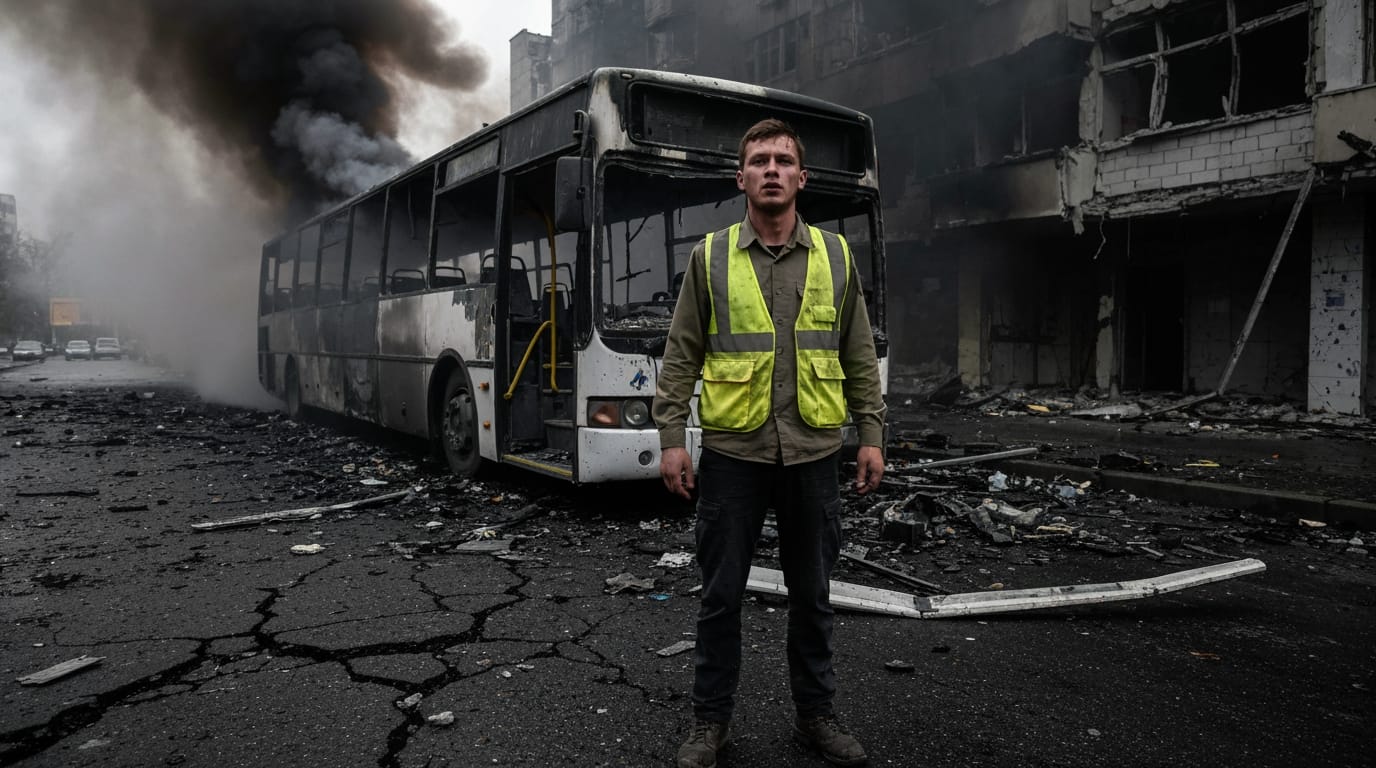
KYIV, Ukraine – A massive barrage of Russian missiles and drones slammed into Ukraine early Saturday, December 6, 2025, devastating critical infrastructure across at least ten regions and plunging thousands of civilians into cold and darkness. The coordinated assault, primarily targeting energy facilities, comes as winter temperatures fall and amid ongoing diplomatic efforts to find a resolution to the nearly four-year-old conflict. Ukrainian officials immediately condemned the attacks as a deliberate attempt to inflict widespread suffering and cripple the nation's resilience.
The overnight offensive saw Russia launch an unprecedented number of aerial weapons, including over 650 Shahed-type attack drones and 51 missiles, 17 of which were ballistic. These munitions struck 29 locations, impacting Ukrenergo substations, generation facilities, and vital railway networks. While Ukrainian air defenses reported shooting down a significant portion of the incoming threats, 60 strikes were recorded, leading to substantial damage and disruption across the country.
Escalation of a Winter Campaign
The latest assault marks a significant escalation in Russia's ongoing strategy to target Ukraine's critical infrastructure, particularly as the country enters its fourth wartime winter. This tactical approach aims to undermine civilian morale, disrupt the economy, and force Kyiv into concessions. Since the full-scale invasion began in February 2022, Russia has systematically targeted Ukraine's energy grid, evolving its methods with each passing year. The initial campaigns in the winter of 2022-2023 focused largely on transmission and distribution networks. By spring 2024, the emphasis shifted to direct attacks on power generation facilities, including thermal and hydroelectric plants. The current "everything" war strategy, evident in this latest wave, combines strikes against generation, transmission, and now, critically, natural gas infrastructure, which is essential for heating homes.
This prolonged campaign has severely degraded Ukraine's energy capacity. By early 2025, direct damage to the energy sector was estimated at $20.5 billion, and the country had lost approximately 80% of its power generation capacity by fall 2024. Ukraine's overall electricity generating capacity now stands at only about a third of its pre-war levels. The deliberate targeting of these facilities seeks to create a humanitarian crisis by depriving millions of Ukrainians of essential services during the harshest months of the year.
Widespread Impact and Civilian Hardship
The consequences of Saturday's strikes were immediate and severe. Regions including Kyiv, Chernihiv, Lviv, Odesa, Zaporizhzhia, Dnipropetrovsk, Mykolaiv, and Kharkiv all reported hits. In Chernihiv Oblast, critical infrastructure and residential areas were struck. Damage to Ukrenergo substations and generation facilities led to power outages affecting numerous households. Two power lines supplying the Zaporizhzhia nuclear power plant were disconnected, prompting other nuclear power plants to operate below full capacity as a safety measure.
Beyond electricity, the attacks caused widespread cuts to heating and water supplies, compounding the hardships faced by civilians already enduring prolonged conflict. In the Odesa region alone, 9,500 households lost heat and 34,000 were left without water. Transportation infrastructure was also affected, with the main railway station in Fastiv, a city southwest of Kyiv, reportedly burned down, disrupting suburban train services. The human toll included at least eight injured individuals across Kyiv, Dnipropetrovsk, and Lviv oblasts, some suffering shrapnel wounds. Ukrainian President Volodymyr Zelenskyy condemned the attacks, emphasizing Russia's intent to "hurt millions of Ukrainians" and reiterating calls for increased international support to bolster the country's air defense capabilities. Prime Minister Yulia Svyrydenko convened an emergency coordination meeting to address the fallout and expedite repairs.
Ukraine's Resilient Defense Amidst Challenges
Despite the intensity of the Russian onslaught, Ukraine's multi-layered air defense system, significantly bolstered by Western aid, managed to intercept a large number of the incoming missiles and drones. Systems such as the U.S.-supplied Patriot and NASAMS, alongside German-made IRIS-T and American HAWK missiles, form the backbone of Ukraine's aerial protection. Patriot systems, in particular, have proven crucial in intercepting sophisticated ballistic missiles, a capability that was lacking in the early stages of the conflict.
However, the sustained nature of these attacks poses continuous challenges. Concerns persist regarding the dwindling stockpiles of interceptor missiles and the need for a steady supply from international partners. Russia has also adapted its tactics, deploying drones at night and at lower altitudes to evade detection, further straining Ukrainian defenses. While Kyiv benefits from relatively robust air defense coverage, other major cities like Kharkiv, Odesa, and Zaporizhzhia remain more vulnerable to deadly bombardments. Ukraine's energy company DTEK has urgently appealed to allies for equipment and materials to repair damaged power stations, highlighting the immense and ongoing reconstruction effort required.
International Outcry and the Path Forward
The international community has widely condemned Russia's deliberate targeting of civilian infrastructure, with many nations, including the United Kingdom, explicitly stating that such actions constitute war crimes and a breach of international humanitarian law. The United Nations has also issued stern warnings regarding the humanitarian consequences of these attacks. Calls for accountability and an end to Russia's aggression have intensified.
The timing of these devastating strikes is particularly poignant, occurring even as U.S. and Ukrainian officials were engaged in ongoing peace talks in Florida. The strikes underscore the complexities of achieving a lasting peace, with Ukrainian officials noting that genuine progress hinges on Russia's willingness to commit to de-escalation and an end to hostilities. As Ukraine faces its most challenging winter yet, the resilience of its people and the continued support from its international partners remain critical in defending against Russia's campaign to weaponize the cold and darkness.


