Russian Army Deserters Face Harsh Reality in Germany: A Paradox of Policy and Practice
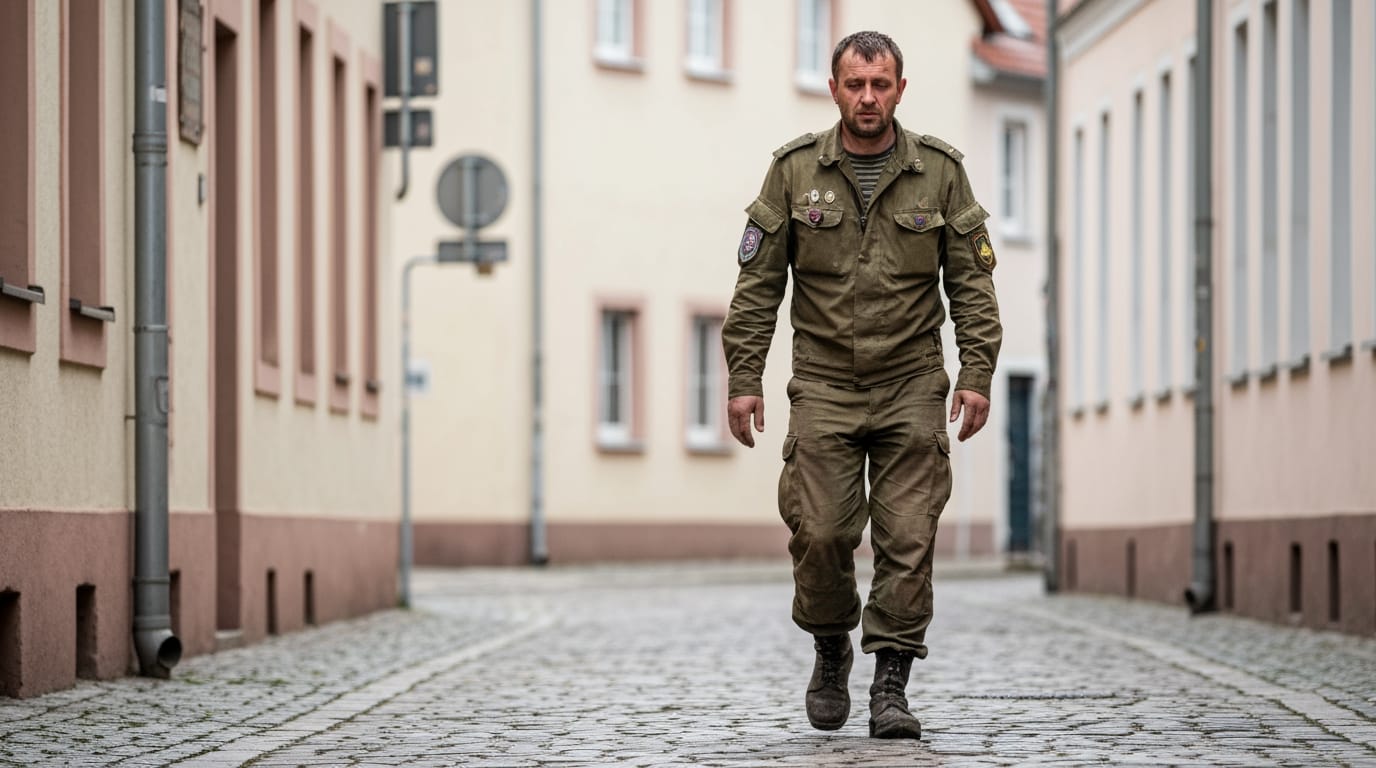
Thousands of Russian military personnel, seeking refuge from a war they morally oppose or fear for their lives, are confronting an unexpected bureaucratic wall in Germany, a nation that initially pledged sanctuary. While Germany's Interior Minister declared a welcoming stance for those fleeing Moscow's war in Ukraine, the practical reality at the Federal Office for Migration and Refugees (BAMF) paints a starkly different picture, leaving many deserters in a precarious legal limbo with the constant threat of deportation looming.
The Perilous Escape from Putin's War
The decision to desert the Russian armed forces is born of profound desperation, often driven by moral objections to the conflict, firsthand exposure to its brutality, or a stark fear for personal survival. For many, the choice is between participating in what they perceive as an unjust war and facing severe repercussions at home or an uncertain future abroad. Soldiers have reported witnessing atrocities and destruction, fueling their resolve to flee, with some admitting they feared their commanders more than the enemy. The risks involved in such an escape are immense, as Russia has significantly tightened its laws. Vladimir Putin's amendments to the Criminal Code now stipulate penalties of up to 15 years in prison for desertion, making the act of fleeing active service a high-stakes endeavor.
Many would-be deserters are driven by an ethical unwillingness to engage in the destruction of cities and the killing of civilians. Others, like Yevgeny, a decorated soldier, resorted to self-inflicted wounds to escape the front lines, highlighting the extreme measures individuals are willing to take to avoid combat. These individuals often undertake perilous journeys, sometimes through former Soviet republics like Kazakhstan, where they connect with other Russians fleeing the war, though these nations often have extradition treaties with Russia, keeping deserters in a state of constant fear.
Germany's Shifting Sands: From Welcome Mat to Bureaucratic Wall
In September 2022, German Interior Minister Nancy Faeser publicly announced that Germany stood ready to grant asylum to Russian deserters, stating that those "threatened with serious repression can as a rule obtain international protection in Germany" and that individuals "courageously opposing (Russian President) Vladimir Putin's regime and thereby falling into great danger can apply for asylum on the grounds of political persecution". This declaration offered a beacon of hope for many seeking to escape forced military service and persecution.
However, the reality faced by Russian asylum seekers, including deserters, has fallen far short of this initial pledge. The Federal Office for Migration and Refugees (BAMF) has demonstrated a remarkably low protection rate for Russian nationals. In 2025, for instance, out of 3,943 asylum applications from Russian nationals, only approximately 4.8% resulted in protection grants. This trend reflects a continued decline from previous years. More specifically, reports from May 2025 indicated that Germany rejects 95% of asylum requests from draft-eligible Russian men.
BAMF's rationale for these rejections has drawn significant criticism. Officials frequently argue that mobilization in Russia primarily serves to "strengthen the armed forces" rather than repress political dissent, thereby diminishing claims of political persecution. Furthermore, they often contend that desertion in Russia carries only a minor administrative fine, around €300, rather than the lengthy prison sentences mandated by current Russian law. This stance contradicts the amendments to Russia's Criminal Code, which can impose up to 15 years of imprisonment for desertion. Critics assert that BAMF's decisions often rely on outdated information or misinterpretations of Russian legal penalties, issuing "boilerplate documents" that repeat similar justifications without scrutinizing individual cases sufficiently.
A Deserter's Odyssey: The Story of Georgy Avaliani and Others
The human cost of this discrepancy between policy and practice is exemplified by individuals like Georgy Avaliani, a 47-year-old engineer. Avaliani's story illustrates the profound challenges faced by Russian deserters in Germany. Despite a heart condition and being a father of multiple minor children—conditions that should have exempted him from service under Russian law—he was mobilized in October 2022. After enduring torture, he deserted from the front line and eventually made his way to Germany with his family, seeking sanctuary.
Yet, in January 2026, BAMF rejected Avaliani's asylum application, along with those of his wife and children. The agency asserted that there was "no reason to believe that, upon returning to the Russian Federation, they would face a high probability of persecution or serious harm," despite Avaliani's detailed account of torture and the clear legal threat of a decade-long prison sentence in Russia for abandoning his unit. Avaliani intends to appeal, but his case highlights the dire uncertainty many deserters confront. For those whose applications are rejected, the choice is grim: deportation back to potential imprisonment and persecution, or living clandestinely.
The estimated number of Russian deserters in Germany remains relatively small, around 100 individuals as of February 2026, according to the organization "Goodbye to Arms". This low figure underscores the difficulty of reaching Germany and the challenges within the asylum process itself, which often fails to recognize the unique dangers these individuals face.
Broader Implications and International Scrutiny
Germany's restrictive approach to Russian military deserters carries significant humanitarian and political implications. Human rights advocates and opposition lawmakers in Germany have criticized the low acceptance rates, calling for more coherent and empathetic policies. They argue that denying asylum to individuals who have bravely refused to participate in an aggressive war undermines democratic values and the principle of protecting those fleeing persecution. The inconsistency between the Interior Ministry's stated welcoming policy and BAMF's stringent application process creates a perception of an unreliable asylum system.
Internationally, Germany's stance stands in contrast to actions taken by some other European nations. France, for example, has recently granted permission for several Russian army deserters to enter the country and apply for refugee status, a decision that followed months of advocacy and vetting for their anti-war sentiments. Such moves by other European countries highlight the ongoing debate within the European Union regarding how best to manage asylum claims from those fleeing military service in Russia. The plight of these deserters underscores a broader challenge for Western nations: how to support those who oppose authoritarian regimes while managing complex immigration policies and security concerns.
Conclusion
The journey of Russian army deserters to Germany is fraught with peril, from escaping a war zone and evading harsh penalties in Russia to navigating a complex and often unyielding asylum system. Despite initial pronouncements of support from German officials, the lived experience of many deserters reveals a stark disconnect between policy rhetoric and practical outcomes. The cases of individuals like Georgy Avaliani underscore the profound human consequences of these bureaucratic hurdles, leaving those who chose to "run" from an unjust war with an uncertain future and the constant threat of return to a hostile state. As the conflict in Ukraine continues, Germany and the wider international community face a critical test in balancing humanitarian principles with legal frameworks, ensuring that those who make immense sacrifices to uphold moral objections are not abandoned in their moment of greatest need.


