Russian Strike Plunges Over Million Ukrainians Into Darkness and Cold Amid Freezing Temperatures
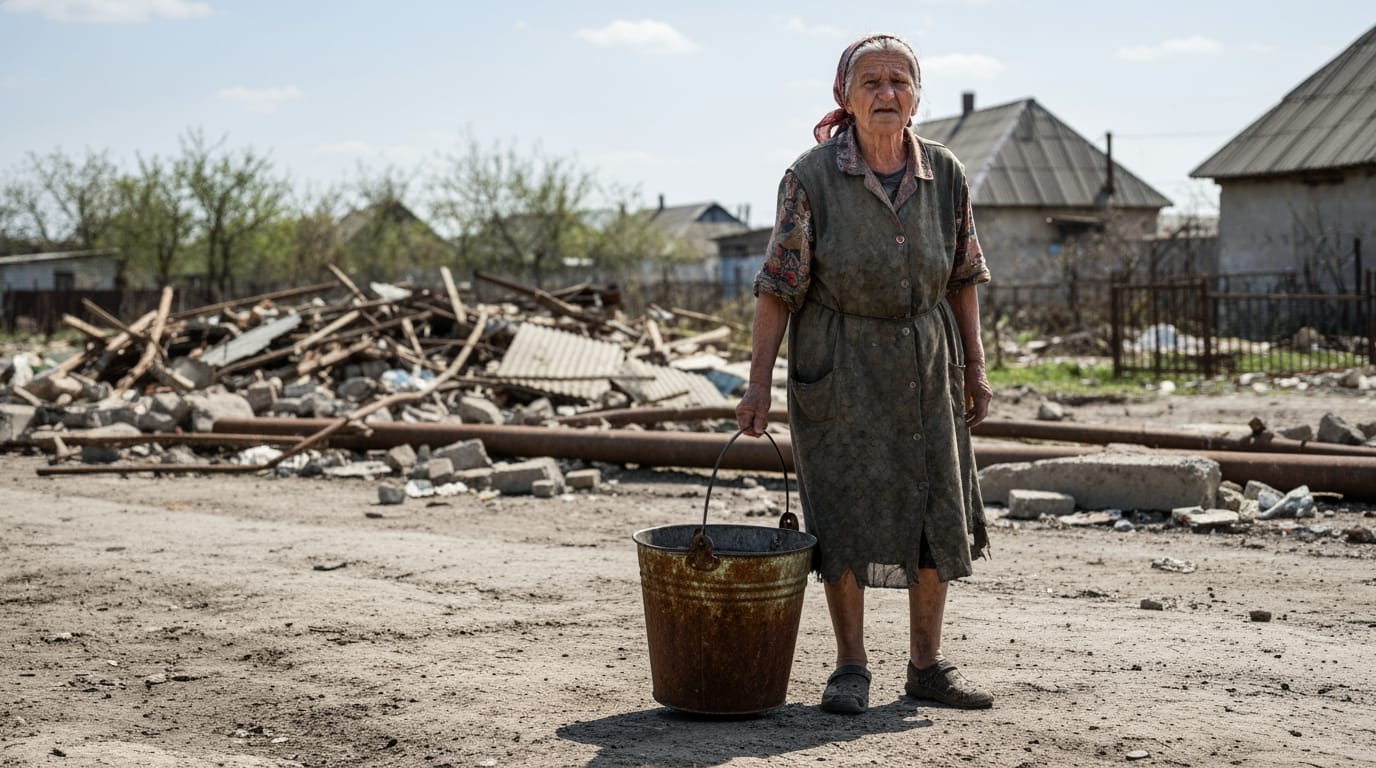
KYIV, Ukraine – A recent large-scale Russian strike overnight on January 8, 2026, has left more than one million residents in Ukraine's Dnipropetrovsk region without access to water and heating, as temperatures continue to plummet below freezing. The attack, primarily involving drones, targeted critical energy infrastructure, intensifying the humanitarian crisis facing Ukrainian civilians during the harsh winter months. This latest incident underscores a recurring and devastating pattern of assaults on Ukraine's essential services, which Kyiv and its allies describe as a deliberate strategy to debilitate the civilian population.
The assault unfolded overnight from Wednesday to Thursday, with Ukrainian officials reporting a barrage of 97 Russian drones launched across various regions. While Ukrainian air defenses successfully intercepted 70 of these unmanned aerial vehicles, 27 managed to penetrate and strike their targets, causing significant damage to vital facilities. Dnipropetrovsk was particularly hard-hit, with its critical energy infrastructure severely compromised, leading to widespread outages of central heating and water supply. Restoration Minister Oleksiy Kuleba confirmed that repair efforts are underway to restore these essential services for over a million affected individuals. Concurrently, the neighboring Zaporizhzhia region also experienced power outages following the drone attack, though electricity supply was more swiftly restored to key facilities there. Regional authorities in Dnipropetrovsk noted the severity of the situation, with Vladyslav Haivanenko, the military head of the region, indicating that energy workers would commence restoration once security conditions permitted.
The timing of this strike amplifies its humanitarian impact, occurring as Ukraine endures freezing temperatures. Forecasts indicate that nighttime temperatures are expected to drop significantly, with some areas facing lows of minus 8°C and even minus 11°C in the coming days. Such conditions render the absence of heating and water not merely an inconvenience but a life-threatening situation, particularly for vulnerable populations including the elderly, those with disabilities, and families with young children. The United Nations Human Rights Monitoring Mission in Ukraine (HRMMU) has repeatedly warned that attacks on energy infrastructure risk prolonged disruptions to essential services, with disproportionate effects on these groups. The UN has also expressed concerns that the level of destruction to power facilities is outpacing recovery capabilities, potentially leading to a "crisis within a crisis" should cold weather persist and intensify.
This recent attack is part of a broader, sustained campaign by Russia to target Ukraine's energy grid, a tactic that has been observed and condemned by international bodies since the full-scale invasion began in February 2022. Throughout previous winters, Russian forces have systematically attacked energy infrastructure, aiming to create widespread civilian hardship and potentially demoralize the population. Reports from the UN indicate that by mid-2024, Ukraine's pre-war electricity generating capacity had been reduced to just a third, with significant damage to power generation, transmission, and distribution facilities. These deliberate assaults on civilian infrastructure, such as power stations and electricity supplies, are considered violations of international humanitarian law and have been labeled as potential war crimes by organizations like Amnesty International.
In response to these relentless attacks, Ukrainian authorities and energy companies have been engaged in immense mitigation and restoration efforts, often working under hazardous conditions. Emergency services and humanitarian partners have established "Points of Invincibility" – heated shelters offering water, food, and mobile charging stations – to provide critical assistance to affected residents. Despite these considerable efforts, the scale of the damage and the ongoing nature of the strikes present formidable challenges. The long-term effects of these attacks, including potential excess morbidity and the sheer cost of repair and restoration, are expected to be substantial and span many years. The international community continues to call for an end to these attacks and reaffirms its commitment to supporting Ukraine in repairing the harm and holding those responsible accountable.
The repeated targeting of civilian energy infrastructure highlights the profound human cost of the ongoing conflict. With over a million people now facing freezing conditions without basic utilities, the immediate challenge remains restoring services and protecting vulnerable lives. As winter progresses, the resilience of the Ukrainian people, supported by emergency aid and international assistance, will be continuously tested against the backdrop of sustained aggression that weaponizes the cold and darkness. The recent strike serves as a stark reminder of the urgent need for robust humanitarian response and sustained efforts towards a lasting resolution to the conflict.


