Russia's Deepening Fuel Crisis: A New Front in the War's Cost
Russia is grappling with an escalating fuel crisis, characterized by widespread shortages, rationing, and soaring prices, a situation intensified by a sustained campaign of Ukrainian drone attacks on its critical oil infrastructure. This unfolding energy challenge is not only disrupting daily life for millions of Russians but is also placing increasing strain on Moscow's war machine, raising questions about the long-term sustainability of its military operations in Ukraine. As the conflict grinds on, the Kremlin finds itself navigating a complex domestic problem that could have profound strategic implications, forcing it to divert resources and attention from the front lines to its beleaguered energy sector.
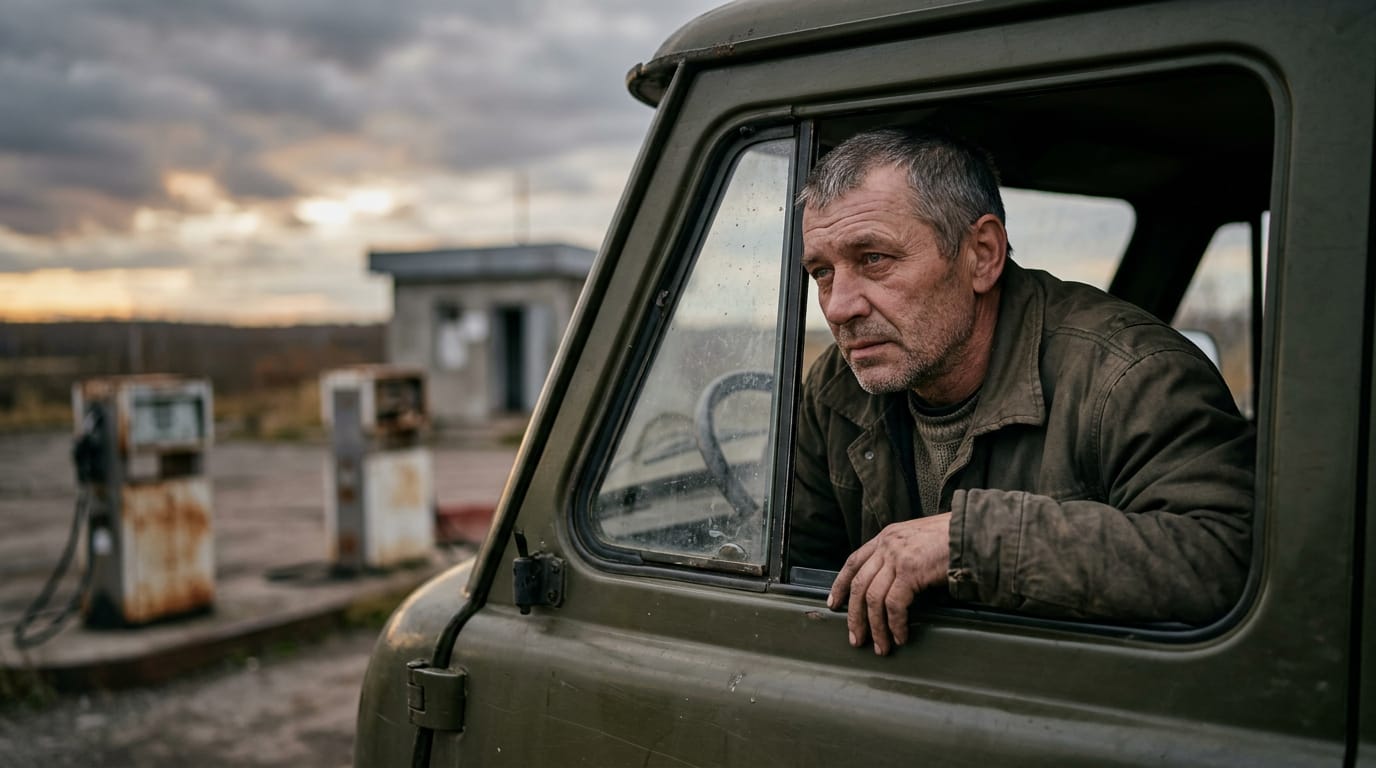
The crisis, which first gained significant traction in late 2025 and intensified sharply in mid-2026, has seen fuel restrictions implemented across much of the country, directly impacting an estimated 50 million people, or about 35% of the Russian population, by July 2026. Regions from Crimea, where a state of emergency was declared in June, to Kaliningrad and even parts of Moscow, have reported severe gasoline and diesel shortages. Queues at gas stations often stretch for kilometers, and purchase limits, sometimes as low as 20-30 liters per vehicle, have become commonplace. Gasoline prices surged by nearly 20% in July, with diesel climbing 12.1% through mid-July. This stark reality presents a significant challenge for a nation that is one of the world's largest oil producers and exporters.
Ukraine's Targeted Campaign and Crippled Refineries
At the core of Russia's domestic fuel woes is Ukraine's deliberate and escalating strategy of targeting Russian oil refineries and energy infrastructure. These drone attacks, which began sporadically in 2024, escalated significantly in the second half of 2025 and intensified further in 2026. Ukraine's general staff estimated that by early July 2026, 42.74% of Russia's oil refining capacity had been disabled, while other assessments suggest that between 20% and over 40% of the capacity has been knocked offline. Reports indicate that up to 24 of Russia's 34 major refineries have been hit, with some remaining out of service for over a year after initial strikes. This sustained assault has caused Russia's oil refining output to fall to its lowest level since 2005, significantly reducing the country's ability to process crude oil into usable fuels like gasoline and diesel. Beyond refineries, Ukrainian long-range strikes have also targeted oil tankers, depots, transshipment bases, and logistics hubs, including those critical for military supply.
Moscow's Desperate Measures and Limited Relief
In response to the growing crisis, the Russian government has implemented a series of emergency measures, largely aimed at shoring up domestic supply. Among the most significant steps was a ban on the export of gasoline and diesel, initially imposed until the end of 2026, to prioritize the internal market. Additionally, Russia has lowered its fuel quality standards, allowing the sale of lower-grade Euro-3 gasoline in place of the usual Euro-5, to increase available volumes. Furthermore, Russia, typically a fuel exporter, has resorted to importing refined products, with shipments reportedly arriving from India, and arrangements being made for imports from Belarus and Kazakhstan.
Despite these efforts, the situation remains precarious. Deputy Prime Minister Alexander Novak acknowledged "certain problems" with fuel supplies, particularly gasoline, though he claimed diesel and kerosene supplies were stable. However, long lines and rationing persist, even in the capital, Moscow, a rarity for the city. The reliance on imports and the lowering of quality standards underscore the severity of the damage to domestic refining capabilities, a critical sector under immense pressure from Ukrainian strikes and international sanctions that complicate access to repair parts and technology. Some reports suggest the Kremlin is also attempting to censor public complaints about the shortages, with citizens facing fines and arrests for speaking out.
Strategic Implications for the War Effort
The deepening fuel crisis carries significant implications for Russia's ongoing war in Ukraine. Fuel is the lifeblood of any modern military, essential for tanks, armored vehicles, aircraft, and the vast logistics network required to transport troops, ammunition, and supplies to the front lines. While direct evidence of battlefield impact remains to be fully seen, the strain on Russia's overall fuel supply chain inherently adds pressure to military operations. Ukrainian strikes have specifically targeted fuel bases that supply the Russian military, further complicating logistics.
Beyond the military, the crisis impacts the broader Russian economy, which directly supports the war effort. Industries reliant on transportation, such as agriculture, face disruptions, with concerns raised about the ability to harvest crops without sufficient fuel for machinery. The tourism sector, particularly in regions like Crimea and Krasnodar, has also suffered due to reduced travel and higher costs. Analysts from the Center for Strategic and International Studies (CSIS) suggest that while ground developments often do not erode Russian support for the war, economic issues, especially visible ones like fuel shortages, can significantly influence public sentiment. The cumulative effect of a systematically dismantled fuel supply chain—from refinery to storage to transport—is now being measured across Russia's economy, potentially undermining its capacity to sustain a long war.
Social Impact and Future Outlook
The human cost of the fuel crisis extends beyond mere inconvenience. Long waiting times and the scarcity of fuel contribute to public anxiety and frustration. While this has not yet translated into a widespread political crisis challenging President Vladimir Putin, the negative correlation between fuel shortages and support for the war is noted. The targeting of civilian logistics hubs, such as those of the online retailer Wildberries, also represents an attempt by Ukraine to undermine public confidence and disrupt daily life.
Looking ahead, analysts suggest that only an end to the war may fully resolve Russia's chronic fuel shortages. Even if the conflict were to cease, the recovery of Russia's damaged refining capacity could take months or even years, further complicated by existing sanctions, equipment shortages, and a loss of technical expertise. The crisis highlights Russia's vulnerability, despite its vast natural resources, when its critical infrastructure is systematically targeted. While some analysts believe Russia can still absorb these costs, the escalating fuel crisis undoubtedly adds a new layer of complexity and vulnerability to Moscow's wartime calculus, potentially altering the dynamics of the conflict in unforeseen ways.