Former Defense Minister's Call for Wartime Elections Ignites Political Storm in Ukraine
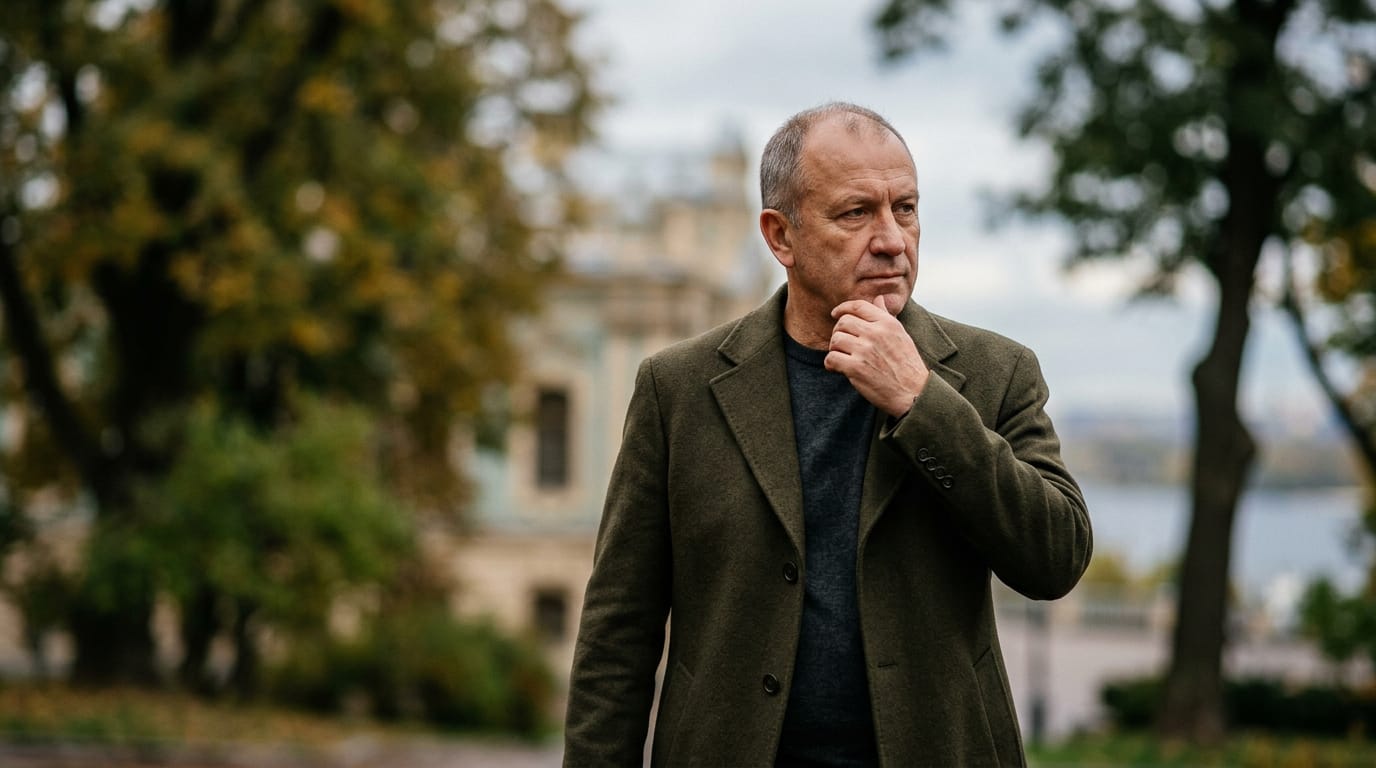
KYIV – Ukraine finds itself at a critical political juncture, as former Defense Minister Mykhailo Fedorov has issued a public call for presidential elections, an unprecedented move that presents the most direct internal challenge to President Volodymyr Zelenskyy's leadership since Russia's full-scale invasion in February 2022. This demand for a restored democratic process, even amidst ongoing hostilities, injects a new layer of complexity into a nation already grappling with an existential war, raising profound questions about constitutional legality, national unity, and the future of Ukrainian governance.
An Unprecedented Political Gauntlet
Mykhailo Fedorov, who was dismissed from his post as Defense Minister in July 2026, has ignited a fervent debate by advocating for wartime presidential elections. In a widely disseminated video address in August 2026, Fedorov argued that "democracy cannot be held hostage by Russia" and urged Ukraine to establish a "legal, safe and realistic mechanism" to restore a fully functioning democratic process, even during a prolonged conflict. His statement represented a significant political break for a figure who had been a long-time ally of President Zelenskyy.
Fedorov's call was framed within a broader critique of the country's leadership, where he pointed to a "systemic crisis of governance" and alluded to issues of corruption, though he stopped short of directly naming President Zelenskyy. His unexpected dismissal in July, reportedly due to "mounting friction with military leadership" and an "unsolvable feud" with top general Oleksandr Syrskyi, had already triggered public protests across Ukraine. During his tenure, Fedorov was widely credited with bolstering Ukraine's defense capabilities, particularly in drone warfare, and for increasing strikes deep into Russian territory. His recent actions suggest a readiness to leverage his public standing to influence national policy, potentially setting the stage for a dramatic political contest should elections proceed.
The Legal and Logistical Minefield of Wartime Elections
The prospect of holding elections during the ongoing war immediately confronts significant legal and logistical obstacles. Ukrainian law explicitly prohibits presidential, parliamentary, and local elections while martial law is in effect, a state declared following the February 2022 invasion. President Zelenskyy's five-year term was scheduled to conclude in May 2024, but his authority is constitutionally extended until martial law is lifted. Any move to hold elections would necessitate either the termination of martial law or a fundamental change in existing legislation.
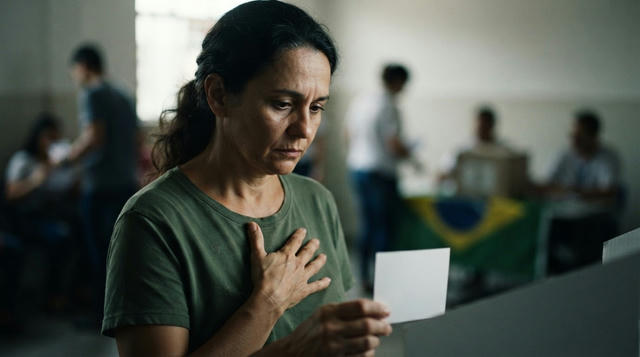
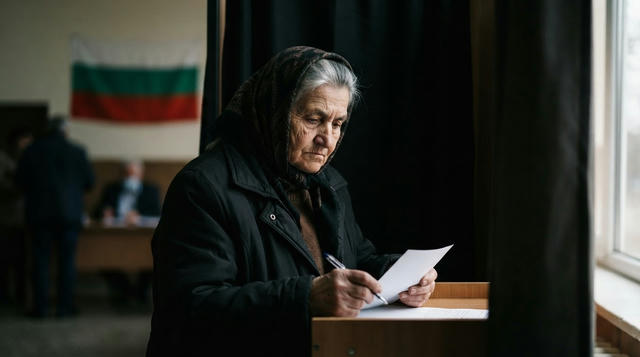
Beyond the legal framework, practical challenges loom large. Millions of Ukrainians have been displaced internally or have sought refuge abroad, making voter registration and participation incredibly difficult. Constant Russian missile strikes also pose a direct threat, potentially causing widespread power blackouts and rendering safe voting nearly impossible, especially without a stable, long-term ceasefire. Furthermore, the participation of approximately one million soldiers serving in the military presents another complex logistical hurdle. Public sentiment also appears to lean against immediate elections, with surveys conducted in February 2024, February 2025, and September-October 2024 indicating that between 60% and 67% of Ukrainians oppose holding elections during the war. Over 400 Ukrainian civil society organizations have also publicly stated that genuinely democratic elections are unattainable without lasting peace.
Zelenskyy's Stance and Broader Political Currents
President Zelenskyy has consistently maintained that elections in Ukraine could only be held under specific conditions, primarily requiring a ceasefire for the duration of the electoral process and ensuring the safety and participation of all voters. He has also urged international partners to influence Russia to facilitate such conditions. The President's office itself has reportedly been engaged in quiet discussions regarding the possibility of elections for several months, indicating an awareness of the growing internal and external debate.
The debate around wartime elections is not solely confined to Mykhailo Fedorov. Former Defense Minister Oleksii Reznikov, who served from November 2021 to September 2023 and was a key figure in securing Western military aid, also publicly suggested in August 2026 that Ukraine should organize a presidential election in the coming year. Reznikov emphasized the importance of granting voting rights to displaced Ukrainians, echoing a core concern about the democratic integrity of any wartime vote. These calls contribute to a deepening political divide within the nation. While President Zelenskyy's popularity remains relatively high, it has shown signs of decline, with former top general Valerii Zaluzhnyi now recognized as the country's most trusted public figure. The administration has also faced increasing scrutiny amid recent corruption allegations, further complicating the political landscape.
Implications for Ukraine's Stability and International Standing
The internal political pressures for elections, juxtaposed with the ongoing war, carry significant implications for Ukraine's national stability and its standing on the global stage. While the push for democratic processes underscores Ukraine's commitment to its democratic values even in wartime, the practical difficulties and potential for political fragmentation could inadvertently undermine the war effort. A fractured political environment might distract from the crucial task of repelling the Russian invasion and could potentially strain relations with international partners who prioritize stability and a unified front against aggression.
The international community generally supports Ukraine's democratic aspirations but also recognizes the immense challenges of organizing fair and inclusive elections under martial law. Balancing the principles of democracy with the pragmatism of wartime governance presents a delicate tightrope walk for Kyiv. The manner in which Ukraine navigates this internal political challenge will not only shape its post-war future but also influence perceptions of its resilience and commitment to democratic norms in the face of existential threats.
Conclusion
The call by former Defense Minister Mykhailo Fedorov for wartime elections has undeniably thrust Ukraine into a complex internal political discussion, creating a delicate balance between democratic ideals and the harsh realities of an ongoing war. While constitutional provisions currently prohibit such elections under martial law and a significant portion of the populace favors delaying them until peace is restored, the debate highlights underlying political tensions and concerns about governance. As Ukraine continues its fight for sovereignty and territorial integrity, the leadership in Kyiv faces the formidable task of maintaining national unity, managing political discourse, and ensuring democratic legitimacy, all while navigating the immense pressures of an active conflict. The path forward remains uncertain, deeply intertwined with the trajectory of the war itself and the evolving political will of its people.