Russia's Shadow Army: Lured by False Promises, Foreign Nationals Face Grim Reality on Ukraine's Frontlines
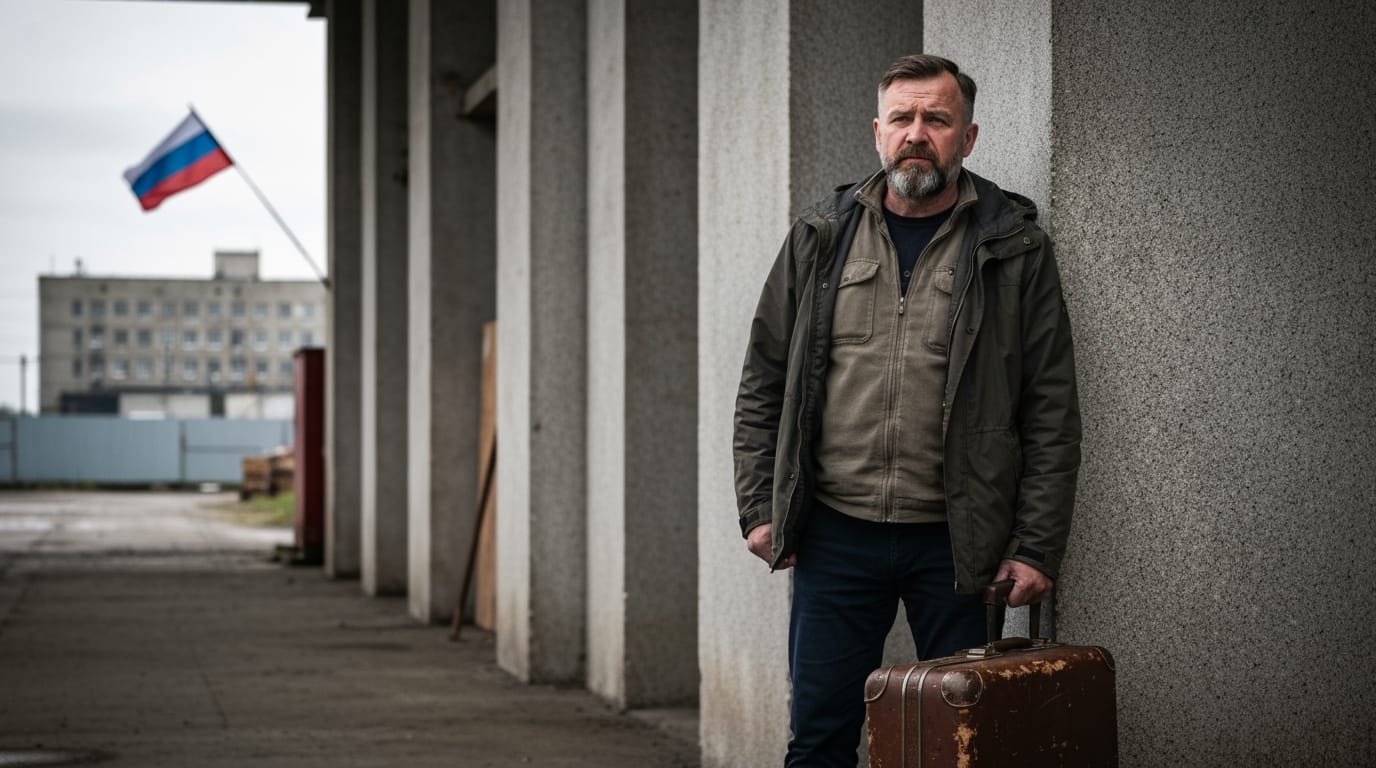
Moscow's Deceptive Recruitment Tactics Exploit Vulnerability, Leading Thousands of International Fighters to a Deadly War
Across continents, from the economically strained nations of Central Asia and Africa to the distant shores of Cuba, a complex and often deceptive recruitment network orchestrated by Russia is luring foreign nationals into the brutal conflict in Ukraine. Driven by a pressing need to replenish its ranks amid heavy battlefield losses, Russia employs a multi-faceted strategy that leverages promises of lucrative salaries, expedited citizenship, and often, outright coercion, trapping thousands in a war far from home. The reality for these foreign fighters frequently deviates sharply from initial assurances, as many find themselves poorly trained, ill-equipped, and deployed as "disposable infantry" in high-casualty "meat assaults" on the Ukrainian frontlines.
The Lure of False Promises and Accelerated Citizenship
At the heart of Russia's foreign recruitment drive are enticing, yet often hollow, pledges designed to exploit economic desperation and a desire for a better life. The Kremlin has actively promoted military service with offers of high salaries, significant cash bonuses, and a fast-track path to Russian citizenship for recruits and their families. This has been formalized through decrees, with President Vladimir Putin signing legislation that allows foreigners serving in the Russian Armed Forces for at least one year to apply for citizenship, a benefit extended to their spouses, children, and parents. As of 2024, more than 3,300 foreigners have reportedly received Russian citizenship under this fast-tracked process.
Recruitment often begins subtly, through social media job advertisements that promise civilian roles or logistical support positions, disguising the true nature of the deployment. Vulnerable individuals, particularly migrants and students residing in Russia, are frequently targeted. Human rights activists report that some migrants face threats of deportation or visa revocation unless they agree to enlist. Migration centers in Russia have reportedly offered army contracts in exchange for quick passports, exploiting the precarious legal status of many foreigners. Others are coerced directly from prisons or detention centers, effectively trading their freedom for military service. The allure of a monthly salary, often significantly higher than what is available in their home countries—ranging from $1,500 to $2,000—proves irresistible for many. However, the promise of non-combat roles or steady income often dissolves upon arrival, replaced by immediate deployment to active battle zones.
A Global Web of Vulnerable Recruits
Russia's recruitment efforts span over 130 countries, drawing on a diverse pool of foreign nationals with particular focus on regions marked by economic instability and existing ties to Russia.
Central Asian migrants constitute a significant portion of these recruits. Thousands, primarily from Uzbekistan, Tajikistan, Kyrgyzstan, and Turkmenistan, have been identified serving in the Russian military, often ensnared from within Russia's borders. Many are former laborers, cleaners, or construction workers, lacking military experience, whose legal vulnerabilities are exploited. Their home governments have issued warnings about criminal prosecution for mercenarism, yet the flow continues.
From Latin America, Cuba has emerged as a major source, with estimates suggesting anywhere from 1,000 to 20,000 Cuban citizens have been recruited to fight for Russia. Reports indicate that the Cuban government has, at times, knowingly tolerated or even facilitated this flow, despite its claims to dismantle trafficking rings. The average Cuban recruit is estimated to be around 35 years old, drawn by the promise of $2,000 a month.
African nations are also heavily targeted, with thousands of individuals recruited from across the continent. Investigations reveal a deceptive pipeline where job seekers and students are funneled into military service. Some African governments, like Botswana, have issued warnings to their citizens about fraudulent job offers leading to forced military service. The number of African nationals serving with Russia is estimated to be around 4,000, with more than 1,400 recruited between January 2023 and September 2025 alone. At least 316 African recruits have been killed during this period.
Syrian fighters, many with combat experience from their country's own civil war, have also been drawn into Russia's ranks since early in the conflict. Russia reportedly trains these mercenaries, some near Aleppo, before sending them to Ukraine. While initial reports spoke of tens of thousands registering, specific numbers of those deployed remain difficult to confirm. Nepal has also seen a significant number of its citizens, reportedly as many as 15,000, recruited into the Russian army.
The Harsh Reality on Ukraine's Frontlines
The grim reality for these foreign recruits often begins shortly after their arrival in Russia. Many receive minimal military training, sometimes just a few weeks, before being deployed to the most dangerous sectors of the Ukrainian frontlines. They are frequently assigned to "meat assaults" or "human wave" attacks, high-risk frontal charges designed to overwhelm Ukrainian positions with sheer numbers, leading to exceptionally high casualty rates. Up to 20% of these fighters reportedly do not survive their first four months of deployment, with some reports indicating that as many as one in five recruits perish. Ukrainian estimates suggest that many foreign recruits survive only a few weeks on the front.
The promises of high salaries often go unfulfilled, with many recruits denied their promised pay. When killed, some are reportedly listed as "missing" to avoid accountability or compensation to their families. Furthermore, conditions on the front are often marked by ill-treatment, humiliation, racism, and physical violence from Russian commanders and fellow soldiers. Ukrainian officials have accused Russia of deliberately deploying foreign recruits in the most dangerous combat operations, effectively using them as "disposable infantry" to spare the lives of Russian citizens.
Legal and Diplomatic Fallout
The recruitment of foreign nationals by Russia has significant legal and diplomatic ramifications. International human rights organizations describe Russia's systematic recruitment as a global system of human trafficking, exploiting vulnerable populations through coercion and deception.
For the individuals involved, the legal consequences are severe. Many states prohibit their citizens from serving as mercenaries or fighting in foreign conflicts, meaning returning recruits often face criminal prosecution in their home countries. Countries like Nepal have explicitly asked Russia to halt the recruitment of their citizens and repatriate those killed, with some even barring citizens from traveling to Russia for work.
Russia's classification of these foreign fighters also raises complex issues under international humanitarian law. While Russia grants citizenship to some, suggesting they are legitimate combatants, it often denies them prisoner-of-war (POW) status if captured, instead classifying them as mercenaries. This distinction is crucial, as mercenaries are not entitled to POW protections and can face prosecution for their mere participation in hostilities, potentially leading to show trials and inhumane treatment. This strategy, critics argue, is a deliberate attempt by Russia to circumvent international legal obligations.
Conclusion
Russia's extensive and often predatory recruitment of foreign nationals underscores the severe strain on its military resources in the ongoing conflict in Ukraine. While offering an array of incentives, including financial rewards and the lure of citizenship, these tactics frequently mask a perilous reality of deception, forced deployment, and high casualty rates on the frontlines. The human cost of this strategy is profound, with thousands of individuals from diverse backgrounds finding their lives irrevocably altered or tragically ended. As international bodies and affected nations grapple with the legal and ethical complexities of these recruitment schemes, the ongoing flow of foreign fighters highlights the urgent need for coordinated efforts to combat human trafficking and protect vulnerable populations from becoming pawns in a geopolitical struggle.


