Rwanda and DR Congo Presidents Meet in Qatar, Agree to Ceasefire
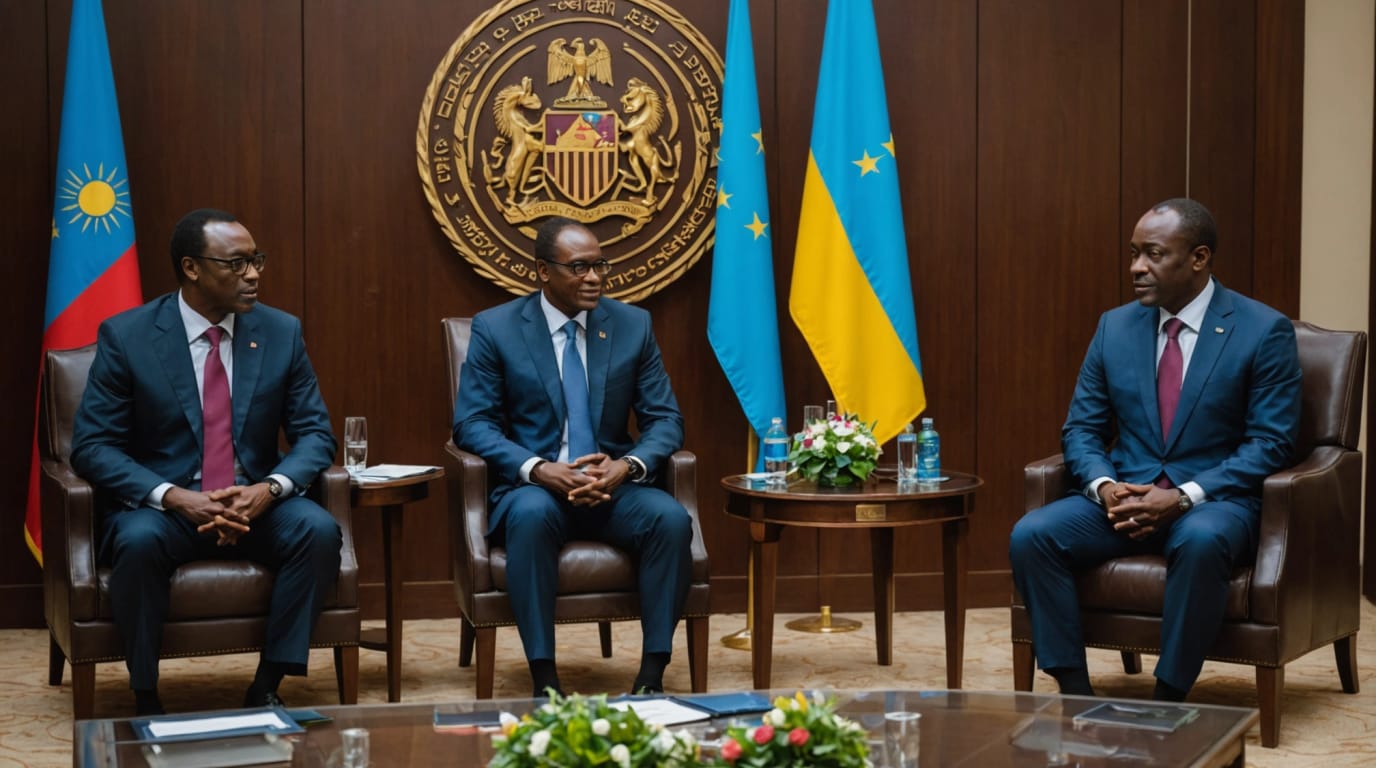
DOHA, Qatar — In a surprising turn of events, the presidents of Rwanda and the Democratic Republic of Congo (DRC) met in Qatar on Tuesday, marking their first direct talks since the resurgence of conflict in eastern DRC earlier this year. The meeting between Congolese President Felix Tshisekedi and Rwandan President Paul Kagame, mediated by the Emir of Qatar, Sheikh Tamim bin Hamad Al Thani, resulted in a joint statement reaffirming their commitment to an immediate and unconditional ceasefire.
The meeting comes amid escalating tensions in eastern DRC, where the Rwanda-backed M23 rebel group has launched a series of offensives, seizing key cities and displacing hundreds of thousands of people. The conflict has exacerbated an already dire humanitarian crisis in the region, which is home to over 100 armed groups vying for control of its rich mineral resources.
Qatar's Mediation Efforts
Qatar's role in brokering the meeting highlights the country's growing diplomatic influence in the region. The energy-rich nation has previously hosted peace talks between the Taliban and the United States, Chad and rebel forces, and has been involved in ongoing efforts to mediate the Israel-Hamas conflict. According to a diplomat familiar with the situation, both Tshisekedi and Kagame formally requested Qatar's mediation, with the talks aimed at building trust and laying the groundwork for future negotiations.
The joint statement released by the three countries emphasized the need to continue discussions to establish a lasting peace in the region. However, it lacked specific details on how the ceasefire would be implemented or monitored, raising questions about its effectiveness.
Failed Angola Peace Talks
The Qatar meeting occurred on the same day that planned peace talks in Angola between the DRC government and the M23 rebels fell through. The M23 pulled out of the Angola talks following the European Union's decision to impose sanctions on several of the group's leaders, including Bertrand Bisimwa. The M23 condemned the sanctions, arguing that they would undermine any possibility of meaningful dialogue.
The EU sanctions targeted M23 leaders for their role in the ongoing conflict and human rights abuses. The EU also sanctioned three Rwandan military commanders and the head of Rwanda's mining agency, citing their support for the M23.
Root Causes of the Conflict
The conflict in eastern DRC is deeply rooted in historical grievances and competition for resources. The M23, which claims to defend the interests of Congolese Tutsis, resumed its armed activity in November 2021, launching attacks against the Congolese army. The DRC has repeatedly accused Rwanda of supporting the M23, a charge that Rwanda denies. However, United Nations experts have reported that the M23 is supported by approximately 4,000 Rwandan troops.
The conflict has created one of the world's worst humanitarian crises, with more than 7 million people displaced. The fighting has also resulted in widespread human rights abuses, including killings, rape, and other forms of sexual violence. The UN Human Rights Council has launched a commission to investigate these atrocities, with allegations of summary executions by both sides.
Regional Implications and Future Outlook
The ongoing conflict in eastern DRC has the potential to destabilize the entire region. The presence of numerous armed groups, coupled with the involvement of neighboring countries, has created a complex and volatile situation. The recent meeting in Qatar represents a positive step towards de-escalation, but significant challenges remain.
The success of the ceasefire agreement will depend on the willingness of all parties to abide by its terms. It will also require a comprehensive approach to addressing the root causes of the conflict, including issues of governance, resource management, and ethnic tensions. Without such an approach, the cycle of violence is likely to continue, perpetuating the suffering of the Congolese people.
The commitment to continued discussions initiated in Doha offers a glimmer of hope for a more peaceful future. However, concrete actions and a genuine commitment to dialogue will be necessary to translate this hope into reality. The international community must remain engaged and provide support for peacebuilding efforts in the region.


