Rwanda Severs Diplomatic Ties with Belgium Amid Rising Tensions
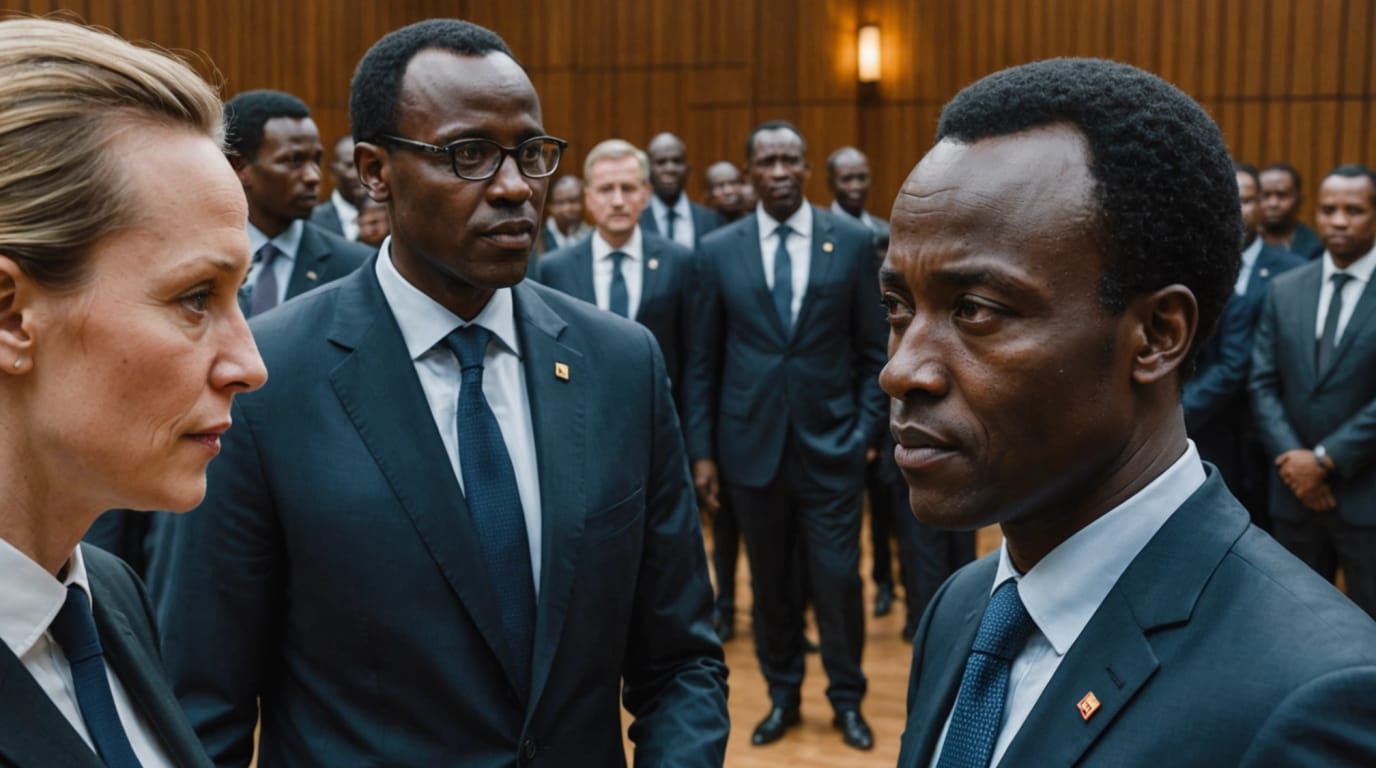
In a dramatic escalation of diplomatic tensions, Rwanda has severed ties with Belgium, ordering all Belgian diplomats to leave the country within 48 hours. The move, announced Monday by the Rwandan Ministry of Foreign Affairs and International Cooperation, accuses Belgium of "consistently" undermining Kigali, particularly concerning the ongoing conflict in the Democratic Republic of Congo (DRC). Brussels responded swiftly, expressing regret and announcing reciprocal measures, further straining relations between the two nations.
Kigali Cites "Neo-Colonial Delusions"
Rwanda's decision stems from a culmination of grievances, primarily focused on Belgium's perceived interference and bias in the DRC conflict. In a statement, the Rwandan Foreign Ministry accused Belgium of "pathetic attempts to maintain its neo-colonial delusions" and of "systematically mobiliz[ing] against Rwanda in various forums, using lies and manipulation to create an unjustified hostile opinion towards Rwanda." Kigali claims Belgium has "clearly taken sides" in the regional conflict. These accusations reflect deep-seated resentment over Belgium's historical role in the region and its contemporary stance on the DRC crisis.
The DRC Conflict as a Catalyst
The heart of the dispute lies in the ongoing conflict in eastern DRC, where the Rwanda-backed M23 rebel group has launched a significant offensive. The M23's advances have led to the capture of key cities like Goma and Bukavu, displacing thousands and resulting in a dire humanitarian situation. The Congolese government estimates that at least 7,000 people have died amid the offensive and has called for international action.
A United Nations report alleges that Kigali controls the M23 group and has approximately 4,000 soldiers in the DRC, a claim Rwanda vehemently denies. Rwanda maintains that it faces a threat from ethnic Hutu fighters within the DRC and that its actions are aimed at protecting its national security. However, Belgium has been critical of Rwanda's alleged involvement, siding with the DRC and advocating for international sanctions.
EU Sanctions and Kagame's Accusations
Rwanda's decision to cut ties with Belgium came a day after President Paul Kagame accused Belgium of advocating for international sanctions against his country concerning the DRC conflict. Simultaneously, the European Union agreed to a list of sanctions targeting Rwandan military commanders and members of the M23 rebel group. An EU diplomat clarified that the sanctions were "not a 'Rwanda-bashing' exercise" but a response to violations of international humanitarian law.
Belgium's Response and Historical Context
Belgium has expressed regret over Rwanda's decision, calling it "disproportionate" and indicative of an unwillingness to engage in dialogue. Maxime Prevot, Belgium's Foreign Minister, announced that Belgium would take similar measures, including declaring Rwandan diplomats "persona non grata" and denouncing governmental cooperation agreements.
The historical relationship between Rwanda and Belgium is complex and fraught with tension. Belgium colonized Rwanda in the late 19th century, a period marked by exploitation and the exacerbation of ethnic divisions that ultimately contributed to the 1994 genocide. While relations between the two countries have been largely amicable since the genocide, historical grievances continue to simmer beneath the surface.
Implications and Future Outlook
The severing of diplomatic ties between Rwanda and Belgium carries significant implications for both countries and the wider region. Belgium has long been a key development partner for Rwanda, and the suspension of cooperation agreements will likely impact various sectors within Rwanda. Furthermore, Belgium's role within the European Union means that the severed ties could affect Rwanda's relationship with the EU as a whole.
The diplomatic rupture also complicates efforts to resolve the conflict in eastern DRC. Belgium has been a vocal advocate for a peaceful resolution, and its diminished role could hinder future negotiations. With peace talks between the DRC and M23 rebels scheduled to take place in Angola, the absence of a strong Belgian presence could further destabilize the already fragile situation.
The future of Rwanda-Belgium relations remains uncertain. While economic realities and regional dynamics may eventually compel both countries to re-engage, the deep-seated mistrust and conflicting narratives surrounding the DRC conflict present a formidable challenge. For now, the severing of diplomatic ties marks a significant setback in the relationship between the two nations, with potentially far-reaching consequences for the stability of the Great Lakes region.


