Salman Rushdie's Attacker Faces Trial as Author Expected to Testify
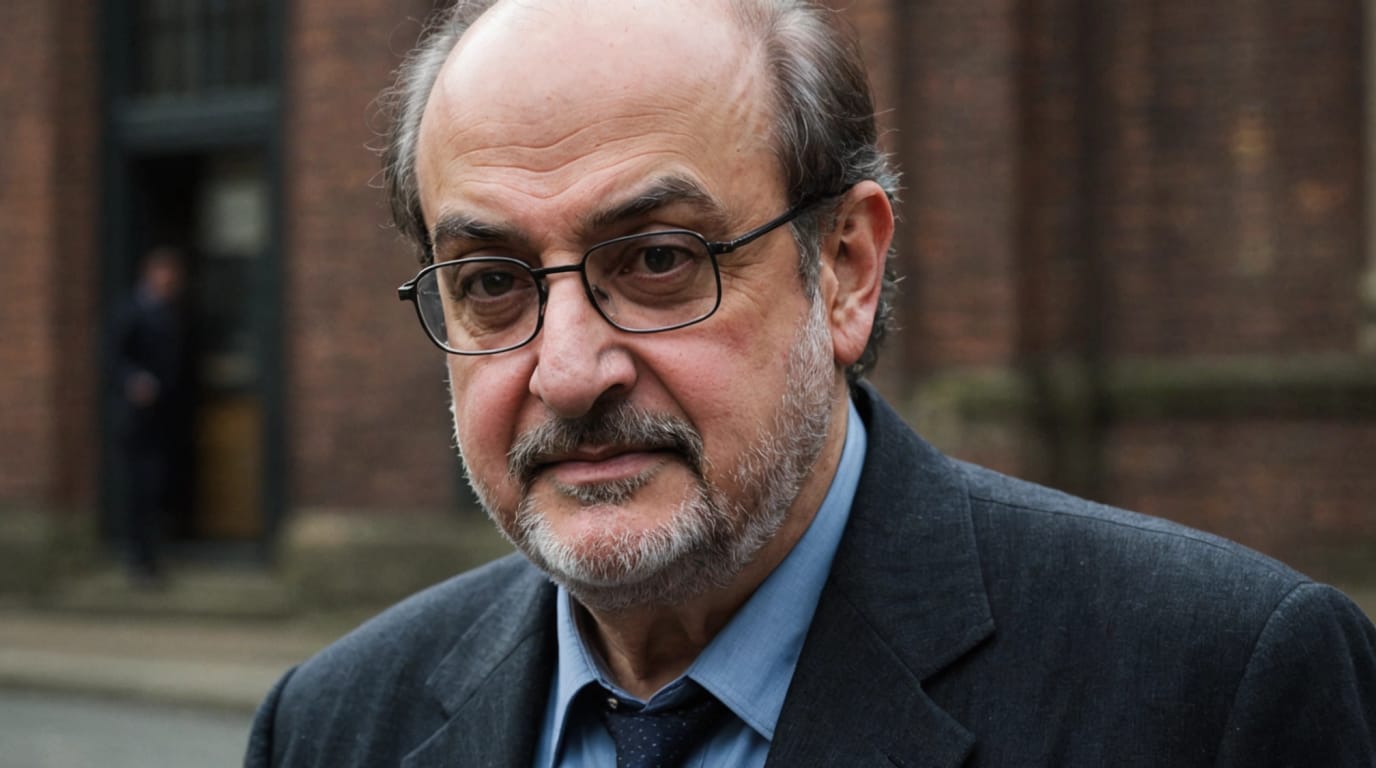
The trial of Hadi Matar, the man accused of attempting to murder acclaimed author Salman Rushdie in August 2022, has commenced in Chautauqua County, New York, marking a significant chapter in a saga that has spanned decades. Rushdie, now 77, is expected to testify, potentially bringing him face-to-face with his attacker for the first time since the incident that left him with life-altering injuries. The trial unfolds against the backdrop of enduring threats to writers and freedom of expression, reigniting conversations about the price of artistic freedom and the long shadow of religious extremism.
The Attack and its Aftermath
On August 12, 2022, Salman Rushdie was preparing to deliver a lecture on the importance of protecting writers from harm at the Chautauqua Institution when Hadi Matar rushed the stage and attacked him. The assault resulted in multiple stab wounds to Rushdie's neck, stomach, chest, hand, and right eye. Henry Reese, the moderator of the event, also sustained injuries while trying to protect Rushdie. The severity of the attack left Rushdie blind in one eye and with permanent damage to one of his hands. In his memoir, "Knife: Meditations After an Attempted Murder," Rushdie recounts the brutal attack, writing, "There are many blows, to my neck, to my chest, to my eye, everywhere. I feel my legs give way, and I fall.”
The Defendant and the Charges
Hadi Matar, a 27-year-old from Fairview, New Jersey, faces charges of second-degree attempted murder and second-degree assault. He has pleaded not guilty. During jury selection, Matar was seen taking notes and consulting with his attorneys. While being led into court on Monday, he proclaimed, "Free Palestine." In an interview conducted after his arrest, Matar admitted to reading only a few pages of Rushdie's controversial novel, "The Satanic Verses," but stated that Rushdie was "someone who attacked Islam" and "their beliefs, the belief systems." If convicted, Matar could face up to 25 years in prison.
The Fatwa and its Lingering Impact
The attack on Salman Rushdie is inextricably linked to the 1988 publication of his novel, "The Satanic Verses," which sparked outrage among some Muslims who deemed it blasphemous for its depiction of the Prophet Muhammad. In 1989, Iran's Supreme Leader, Ayatollah Ruhollah Khomeini, issued a fatwa, a religious decree, calling for Rushdie's death. This edict forced Rushdie into hiding for many years. While Iran later announced it would not enforce the fatwa, the threat against Rushdie's life remained a constant presence. The trial coincides with the 36th anniversary of the fatwa, serving as a stark reminder of the enduring consequences of religious extremism and the vulnerability of writers who challenge established norms.
The Trial and Potential Testimony
The trial is expected to feature testimony from Salman Rushdie himself, marking a potentially dramatic confrontation between the victim and his assailant. Prosecutors have stated that Rushdie was too stunned to react when Matar began stabbing him. The trial is anticipated to delve into Matar's motives and the extent to which the fatwa influenced his actions. The defense faces a challenging task, particularly given Matar's own statements and the overwhelming evidence against him. Jury selection proved to be a delicate process, highlighting the complexities of finding impartial jurors in a case with such significant cultural and political implications.
Implications for Free Speech and Writer Safety
The attempted murder of Salman Rushdie has had a chilling effect on the literary world, raising concerns about the safety of writers and the freedom of expression. The attack has prompted renewed discussions about the need to protect writers from violence and intimidation, and to defend the right to challenge conventional ideas without fear of reprisal. Rushdie himself has become a symbol of resilience and courage in the face of adversity, continuing to write and speak out despite the threats against his life. The trial serves as a critical moment to reaffirm the importance of free speech and to send a message that violence against writers will not be tolerated.
The trial of Hadi Matar is more than just a legal proceeding; it is a referendum on the values of free expression and tolerance. As Salman Rushdie potentially takes the stand, the world will be watching to see if justice is served and whether this act of violence will ultimately strengthen the resolve to defend the rights of writers and artists everywhere.


