Samer Tawk's Remarkable Return: From Intensive Care to Olympic Flag Bearer
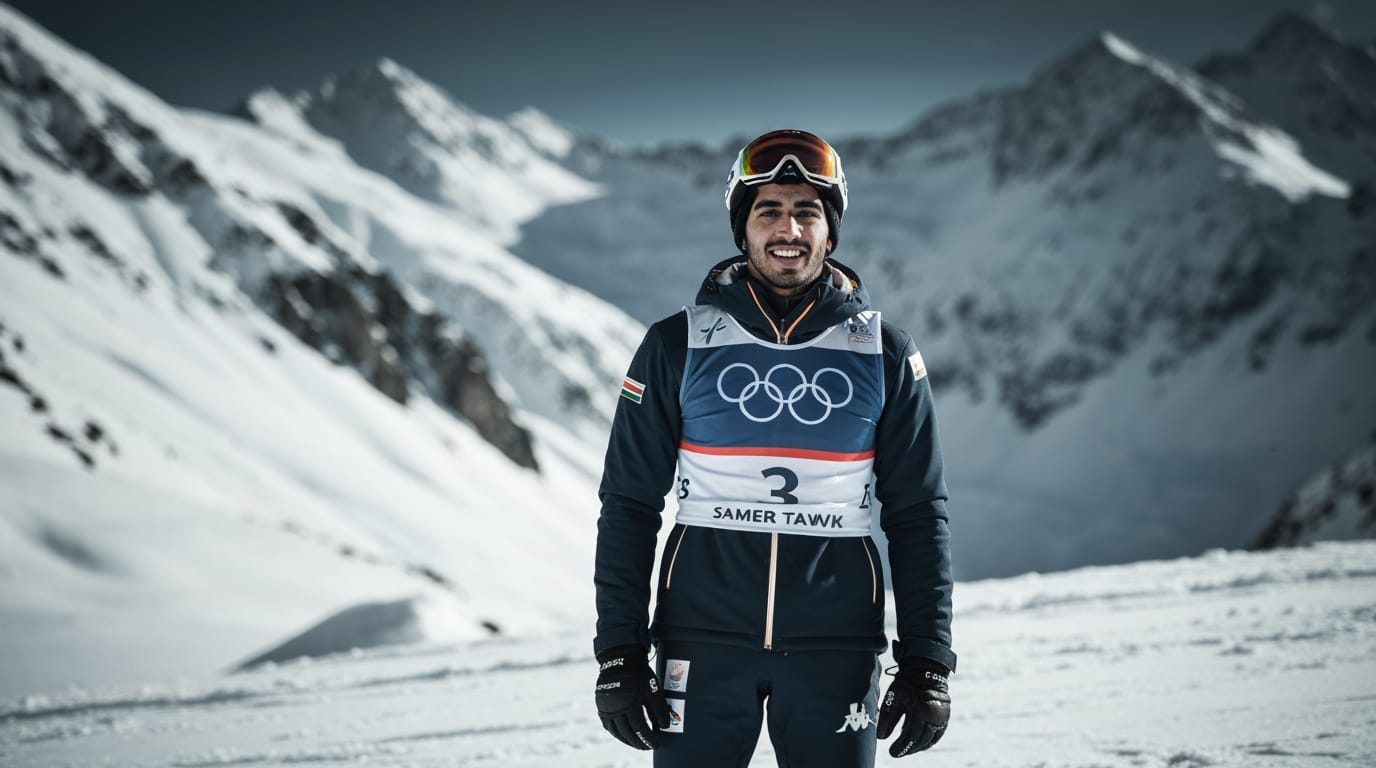
Milan-Cortina, Italy – In a testament to indomitable spirit and unwavering dedication, Lebanese cross-country skier Samer Tawk has defied the odds, returning to the global stage of the Winter Olympics seven years after a catastrophic training accident left him with life-altering injuries. His appearance as a flag bearer for Lebanon at the Milan-Cortina 2026 opening ceremony on February 6, 2026, marks not just a personal triumph but a powerful narrative of resilience resonating across the international sporting community. Tawk's journey from intensive care to the world's most prestigious winter sports event underscores a profound commitment to his sport and an inspiring refusal to succumb to adversity.
The Catastrophic Fall of 2019
The trajectory of Samer Tawk's promising career took a harrowing turn on April 26, 2019. While engaged in training, the then 20-year-old athlete suffered a devastating 14-meter fall. The impact resulted in multiple fractures to both his arms and legs, injuries so severe that they initially led medical professionals and Tawk himself to consider a future in Paralympic sports. The gravity of the incident cast a long shadow over his aspirations of competing at the highest levels of cross-country skiing, an event he had already made history in for his home country. The period immediately following the accident was characterized by immense physical pain and an uncertain path forward, as the extent of his injuries presented a formidable challenge to any hopes of returning to competitive skiing.
A Grueling Rehabilitation and Unyielding Perseverance
The aftermath of the fall plunged Tawk into a lengthy and arduous rehabilitation process. His recovery was not merely a physical battle but a profound test of mental fortitude. Despite the severity of his injuries, which included ongoing effects such as reduced sensation in his left leg in cold conditions and limited mobility in his hand and elbow, Tawk embarked on a rigorous regimen of therapy and training. For seven years, he committed himself to a demanding program designed to regain strength, mobility, and, crucially, his elite athletic form. This period was marked by countless hours of exercises, physical therapy sessions, and a relentless focus on overcoming his physical limitations. His ability to push through persistent pain and the lingering effects of his injuries speaks volumes about his extraordinary resolve. Tawk himself acknowledged that his re-qualification for the Olympics allowed him to "forget the pain," highlighting the depth of his commitment and the profound personal significance of his return to the sport.
The Olympic Dream Rekindled: Milan-Cortina 2026
Against all expectations, Tawk's unwavering dedication culminated in a remarkable achievement: successful qualification for the 2026 Winter Olympics in Milan-Cortina. This accomplishment, seven years in the making, not only marked his return to the pinnacle of winter sports but also bestowed upon him a signal honor. Tawk was selected to serve as one of two flag bearers for Lebanon at the Games' opening ceremony, a poignant moment held at the iconic San Siro stadium in Milan. Sharing this distinction with alpine skier Andrea al-Hayek, Tawk's presence leading his national delegation symbolized more than just athletic prowess; it represented the triumph of the human spirit over adversity. His participation in the men's 10-kilometer individual cross-country event at the Games further cemented his inspiring comeback story, showcasing his continued competitive drive on the international stage.
A Pioneer's Enduring Legacy for Lebanese Sports
Samer Tawk's journey to the 2026 Winter Olympics is not his first encounter with Olympic history. Born on September 3, 1998, Tawk had already etched his name in Lebanese sporting annals years prior. At the 2018 Winter Olympics in Pyeongchang, he competed in the men's 15-kilometer freestyle, becoming the first Lebanese cross-country skier to ever participate in the Winter Games. This initial groundbreaking achievement underscored a nascent, yet determined, presence for Lebanon in a discipline traditionally overshadowed by alpine skiing in the nation's sporting landscape. Lebanon has a long-standing tradition of sending athletes to the Winter Olympics, having participated in nearly every Games since 1948. However, Tawk's pioneering efforts in cross-country skiing have opened new avenues for future generations. His resilience in returning to the Olympics after such a severe setback reinforces his status as a beacon of inspiration for aspiring athletes in Lebanon and beyond. His story highlights the potential for individuals to overcome immense personal challenges and achieve extraordinary feats, irrespective of the scale of national sporting infrastructure or historical precedents in specific disciplines.
Conclusion
Samer Tawk's return to the Winter Olympics is more than a comeback story; it is a powerful narrative of unyielding human spirit. From the brink of career-ending injuries and the consideration of a future in Paralympic sports, Tawk channeled adversity into an unparalleled seven-year journey of recovery and re-qualification. His presence at the Milan-Cortina 2026 Games, especially as a flag bearer, stands as a profound testament to his courage, dedication, and the sheer force of will required to defy seemingly insurmountable odds. Tawk's remarkable journey not only adds another chapter to his pioneering legacy in Lebanese cross-country skiing but also serves as an enduring source of inspiration, demonstrating that with enough perseverance, even the most catastrophic setbacks can be transformed into profound victories.