Samsung Averts Major Strike with Landmark $26.6 Billion Bonus Deal for Chip Workers
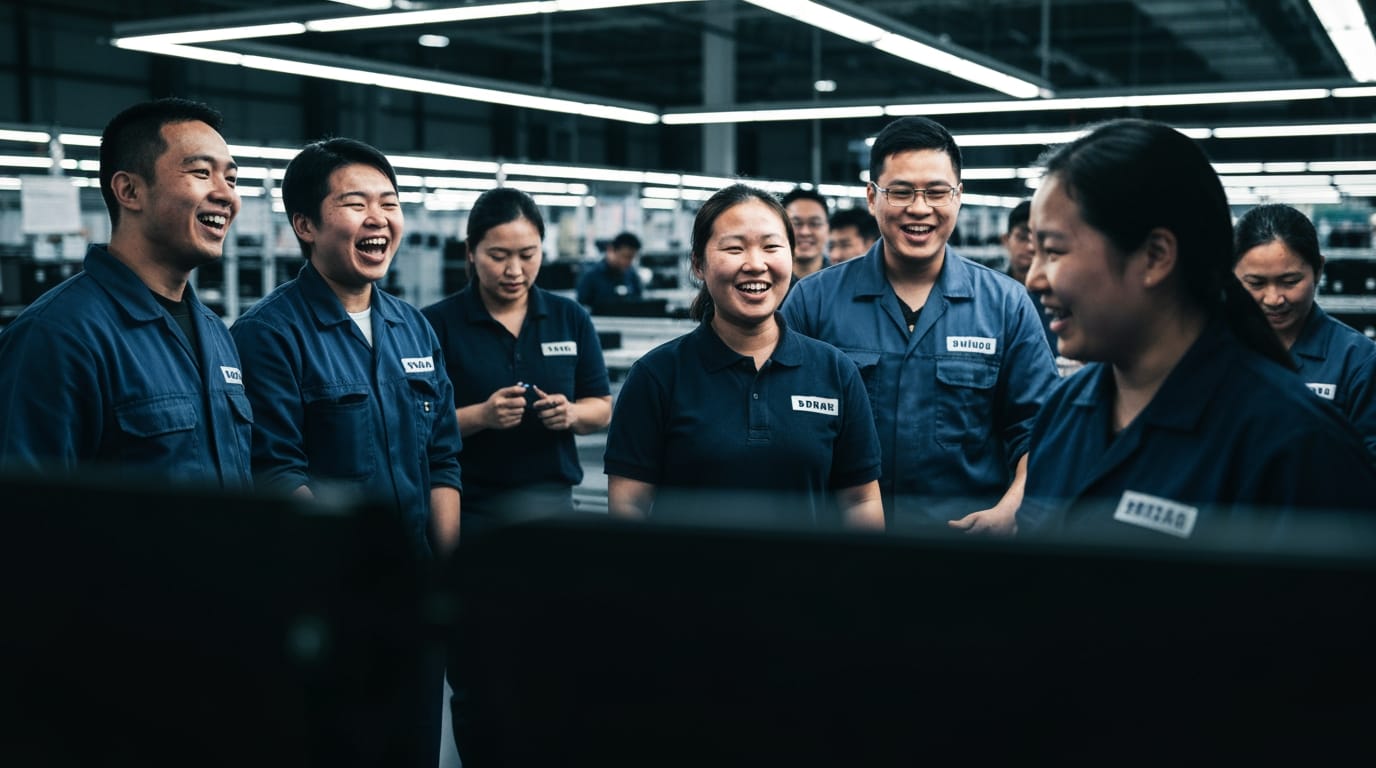
SEOUL – Samsung Electronics, the global leader in memory chips, has successfully navigated away from a potentially devastating 18-day strike, following the overwhelming approval of a monumental compensation agreement by its largest labor union. The deal, valued at an estimated $26.6 billion (approximately 40 trillion Korean won), is set to significantly reward employees within the company's crucial semiconductor division, a sector currently experiencing unprecedented growth driven by booming demand for artificial intelligence technologies.
The Precipice of Industrial Action
For months, Samsung Electronics had been locked in tense negotiations with its unionized workforce, culminating in a credible threat of widespread industrial action. The dispute, rooted in demands for a larger share of the company's burgeoning profits, brought the South Korean tech giant to the brink of its first major strike. An 18-day general strike, which was reportedly set to involve as many as 48,000 employees, loomed large over the company's critical chip operations. Such an event would have sent significant ripples across global supply chains, potentially disrupting the production of everything from smartphones to data centers and impacting Samsung’s formidable market position in the semiconductor industry. The gravity of the situation prompted mediation efforts from South Korea's labor minister, underscoring the national economic importance of a peaceful resolution.
A Historic Agreement Forged
The breakthrough came on May 21, with a tentative agreement reached between management and union leaders. This agreement was subsequently put to a ratification vote, which took place from May 22 through May 27. The results, announced on Wednesday, confirmed that 73.7% of participating union members voted in favor of the deal, decisively averting the planned strike.
The core of the "Special Business Performance Bonus" agreement centers on an unprecedented profit-sharing scheme for approximately 78,000 workers in Samsung's Device Solutions division, which encompasses its vital semiconductor operations. Under the terms, employees will receive a bonus pool equivalent to 12% of the division's operating profits. This comprises 10.5% paid out in company stock and an additional 1.5% in cash.
The financial implications for individual workers are substantial. According to calculations based on estimated operating profits, the average bonus for a chip employee is projected to be around $340,000 (approximately 509 million won or S$432,000). Top performers, particularly those in memory-chip product lines—a strategic area for Samsung—could see bonuses reaching as high as $416,000. Beyond this performance-linked payout, eligible employees are also slated to receive regular cash bonuses amounting to 50% of their base salary.
The bonus program is designed for longevity, secured for up to a decade, contingent on the chip division achieving specified profit thresholds. For instance, targets include annual operating profits of 200 trillion won (approximately $132 billion) from 2026 to 2028. The stock component of the bonus comes with a holding rule: while one-third can be sold immediately, the remainder is restricted for the following two years. To ensure broad benefit, the bonus pool is structured with 40% distributed across the entire 78,000-person chip division, while the remaining 60% is allocated based on the performance of individual business units. This arrangement means even employees in units that might be experiencing losses can still receive a base payout, estimated at around 16 million won ($11,000).
Safeguarding the Semiconductor Powerhouse
The successful resolution underscores the critical importance of Samsung’s semiconductor business, particularly amidst the current global surge in demand for AI-driven technologies. A disruption to Samsung's chip production, even for a short period, would have sent shockwaves through industries reliant on its advanced memory and logic chips. Such an outcome could have delayed product launches for key clients, elevated manufacturing costs, and potentially destabilized the already volatile global chip market. By averting the strike, Samsung has protected its supply chains and affirmed its commitment to maintaining uninterrupted production, a vital factor for its position as a leading technology provider.
This move also places Samsung in competitive alignment with its rivals. South Korean memory chipmaker SK Hynix, for example, implemented a similar compensation strategy last year, removing its bonus cap and dedicating 10% of its annual operating profit to employees for the next decade. The fierce competition for skilled talent in the rapidly expanding semiconductor sector likely influenced Samsung's generous offering, highlighting an industry-wide trend toward substantial employee incentives. While the deal has been largely lauded, it has not been without scrutiny. A group of Samsung Electronics shareholders reportedly voiced opposition, questioning the legal validity of operating profit-linked bonuses without explicit shareholder resolution, suggesting potential legal challenges.
Reshaping Labor Relations in South Korea
The approval of this extensive bonus package marks a significant moment for labor relations within Samsung and potentially across other South Korean conglomerates, known as "chaebols." For decades, labor activism in many of these large family-owned businesses has faced considerable institutional resistance. This agreement, mediated at a high level and resulting in substantial financial benefits for workers, could signal a shift toward more conciliatory and profit-sharing approaches in employer-employee relations.
The long-term nature of the bonus scheme, stretching up to 10 years, suggests a strategic commitment by Samsung to employee welfare and talent retention, acknowledging the indispensable role of its workforce in driving its technological advancements and profitability. This landmark deal could serve as a precedent, encouraging other major corporations to re-evaluate their compensation structures and engage more proactively with their labor unions to ensure industrial harmony and shared prosperity in an increasingly competitive global economy.
In conclusion, Samsung Electronics’ ability to avert a major strike through this massive bonus deal not only safeguards its immediate production and market stability but also potentially ushers in a new era of labor relations within the company and beyond. By directly linking employee compensation to the company's soaring profits, Samsung has sought to foster a stronger sense of shared success, ensuring that its workforce remains a pivotal partner in its continued dominance of the global tech landscape.


