Saudi Arabia's Sports Strategy: A Strategic Reassessment, Not a Retreat
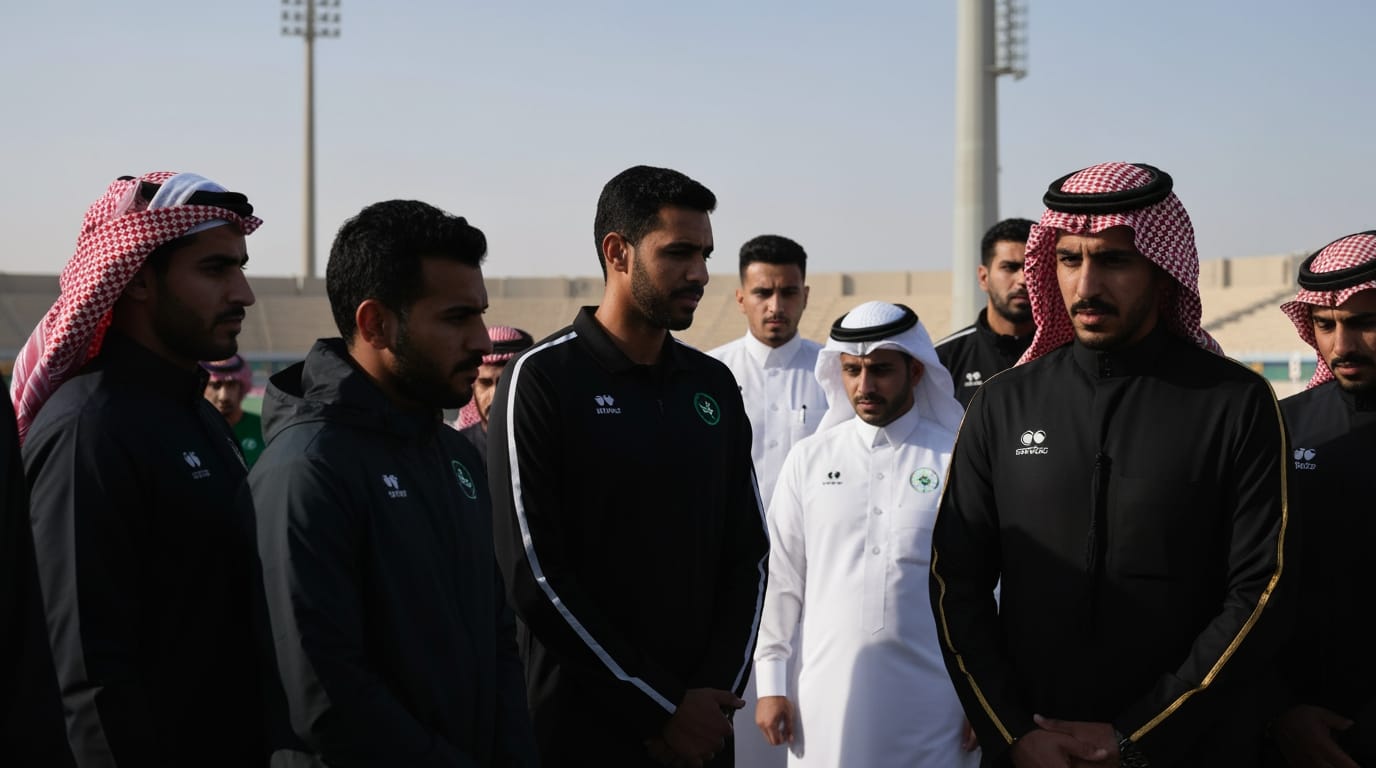
RIYADH, Saudi Arabia – Recent announcements regarding the Public Investment Fund's (PIF) recalibration of its sports portfolio have sparked discussions about Saudi Arabia's commitment to global athletics. While some interpret these moves as a "withdrawal" from sports, a deeper analysis reveals a sophisticated strategic reassessment, aligning with the Kingdom's ambitious Vision 2030 objectives for economic diversification and global influence. Far from abandoning the sporting arena, Saudi Arabia is refining its multi-billion-dollar investments, shifting focus toward financially efficient, impactful, and youth-oriented ventures, even as regional geopolitical tensions introduce new complexities.
The narrative of a complete Saudi sports withdrawal stems from several high-profile funding adjustments and event cancellations in recent weeks. Most notably, the PIF confirmed it would no longer fund LIV Golf beyond 2026, signaling an uncertain future for the breakaway golf tour that reportedly incurred billions in losses and struggled with audience engagement. This decision marks a significant pivot, as LIV Golf had been a flagship project in Saudi Arabia's initial foray into global sports, designed to challenge established tours and elevate the Kingdom's profile. Concurrently, events such as snooker's Saudi Arabia Masters and the Women's Tennis Association (WTA) finals beyond this year have been nixed, and a bid for the 2035 Rugby World Cup was abandoned. Additionally, a planned Winter Olympics-style festival was reportedly scrapped. The ongoing Iran war has also contributed to uncertainty and the cancellation of some events, including this year's Jeddah Formula 1 race, further fueling perceptions of a broader retraction. These moves, though specific, have collectively prompted observers to question the longevity and direction of Saudi Arabia's expansive sports agenda.
The Genesis of Ambition: Vision 2030 and Sports Diplomacy
Saudi Arabia's significant entry into the global sports landscape is intrinsically linked to Crown Prince Mohammed bin Salman's Vision 2030, a sweeping reform plan aimed at diversifying the economy away from oil, attracting tourism, and improving the quality of life for its citizens. Under this vision, sports became a crucial tool for enhancing the Kingdom's international image, fostering national pride, and engaging its predominantly young population. Billions of dollars were funneled through the PIF into various sporting ventures, transforming Saudi Arabia into a formidable player in areas ranging from football and motorsports to boxing and equestrian events. The acquisition of Newcastle United Football Club, the bolstering of the Saudi Pro League with top international talent like Cristiano Ronaldo, and the hosting of major events such as the Formula 1 Grand Prix, the Dakar Rally, and Spanish and Italian Super Cups exemplify this era of rapid growth and acceleration. The Kingdom has also strategically bid for and secured rights to host future mega-events, including the 2034 FIFA World Cup, a testament to its long-term aspirations.
Strategic Recalibration: Efficiency and Focus
The recent adjustments, however, do not signify a wholesale abandonment of these ambitions. Instead, they reflect a strategic recalibration outlined in new guidelines from the PIF for the 2026-2030 period. This revised approach emphasizes maximizing financial returns, strengthening investment efficiency, and increasing private sector participation, signaling a shift "from a period of rapid growth and acceleration to a new phase of sustained value creation". Experts describe this as a "cold calculation" rather than a panicked retreat, wherein the Kingdom is jettisoning "cost sinks" and sports deemed "staid" in favor of those with broader appeal and greater potential for return on investment. This focus on financial prudence is particularly evident in the decision regarding LIV Golf, which reportedly failed to generate significant returns despite massive outlays.
Sustained Investment in Key Sectors
Despite the targeted withdrawals, Saudi Arabia's commitment to sports remains robust in several key sectors. Football continues to be a cornerstone of its strategy, with the Kingdom still poised to host the 2034 World Cup and the PIF maintaining significant stakes in clubs like Newcastle United. Motorsports, including Formula 1 and the Dakar Rally, also remain integral to the sports calendar, with new infrastructure being developed to support these high-profile events.
Crucially, the recalibration highlights a burgeoning focus on esports, a sector seen as aligning perfectly with youth culture, economic development, and entertainment diversification. Saudi Arabia is heavily backing esports, positioning it as "the sport of the future" with minimal risk. The Kingdom is hosting the third annual Esports World Cup in Riyadh, featuring 24 different video games and an impressive $75 million prize pool, underscoring its intent to become a global hub for competitive gaming. Other areas like MMA are also expected to receive robust support. Furthermore, the PIF remains committed to sports as a priority sector, with expectations of multiple new sports-related announcements in the coming months. Investments in the PIF Global Series for golf, spanning LPGA and Ladies European Tour competitions, also continue.
In essence, while Saudi Arabia is demonstrably pulling back from certain costly or underperforming sports ventures, this should not be misconstrued as a wholesale withdrawal from the global sports arena. Instead, the Kingdom is engaged in a strategic evolution of its sports diplomacy, prioritizing efficiency, long-term impact, and alignment with its overarching Vision 2030 goals. By refining its investments and doubling down on areas with strong youth appeal and economic potential, Saudi Arabia aims to solidify its position as a major player in the international sports landscape, albeit with a more focused and financially disciplined approach. The shifting sands of its sports strategy reflect a calculated pivot towards sustained value creation, rather than a retreat from its global sporting ambitions.