Security Breach Halts Operations at Cologne/Bonn Airport, Exposing Vulnerabilities
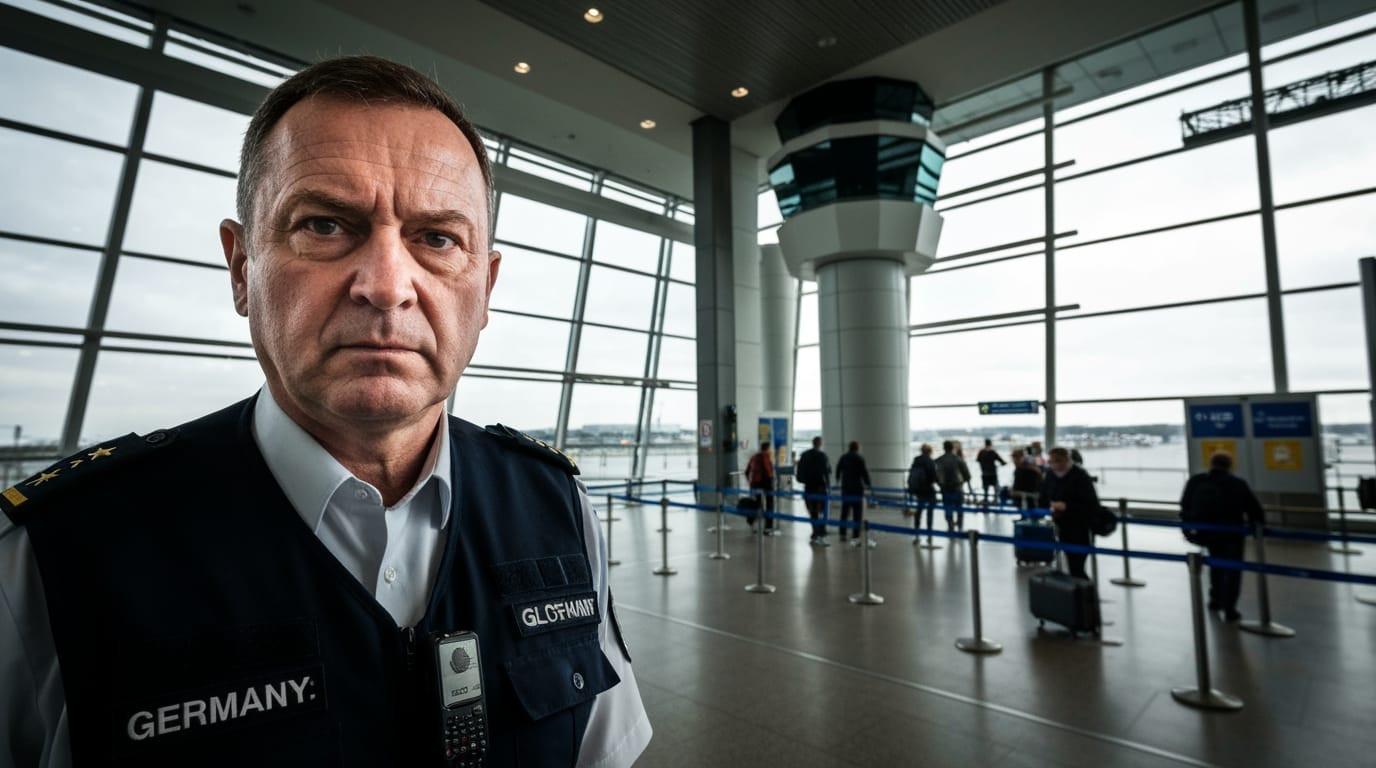
COLOGNE, Germany – A significant security alert at Cologne/Bonn Airport on May 30, 2016, led to the temporary cessation of flight operations from Terminal 1, the evacuation of thousands of passengers, and a comprehensive police operation. The incident, triggered by an individual inadvertently entering a secure area without undergoing mandatory security screening, underscored the delicate balance between passenger convenience and robust aviation security measures at major international hubs. The disruption, which stranded approximately 2,500 travelers and caused widespread delays, ultimately revealed a human error at its core, prompting a re-evaluation of perimeter security and passenger flow protocols.
The Breach and Immediate Response
The alarm was raised around midday on May 30, 2016, after a person gained unauthorized access to a secure zone within Terminal 1 of Cologne/Bonn Airport. Reports indicated that a "suspicious person" had passed through a passcode-protected door located near a supermarket, bypassing the standard security checkpoints. This breach immediately activated stringent emergency protocols, leading to a swift and decisive response from federal police and airport authorities. As a precautionary measure, Terminal 1 was evacuated, and all flights scheduled to depart from that terminal were temporarily suspended. Planes already on the tarmac awaiting departure were called back, and those preparing for takeoff were held. Bomb disposal experts and sniffer dogs were deployed to search the evacuated terminal, ensuring no further threats were present. The coordinated response aimed to mitigate any potential risk, prioritizing the safety and security of all individuals within the airport premises.
Widespread Disruption and Passenger Experience
The security alert created immediate and extensive disruption for thousands of travelers. Approximately 2,500 passengers found themselves affected by the chaos as Terminal 1 was cleared. Passengers were instructed to leave the terminal, and many faced the prospect of resubmitting to security checks once the all-clear was given. The incident led to significant delays and cancellations for flights departing from Terminal 1, causing frustration and uncertainty among those whose travel plans were suddenly upended. While Terminal 1 experienced a complete halt in operations, it was reported that flights from Terminal 2 continued to operate normally, highlighting the segmented nature of the airport's infrastructure and security zones. The experience for many involved prolonged waiting periods on aircraft or outside the terminal, with limited information initially available beyond the fact of a security alert.
Unraveling the Mystery: A Case of Human Error
The intensive police search for the individual responsible for the breach eventually led to an arrest. The person in question was identified as a 62-year-old Spanish man. Further investigation revealed that his entry into the secure area was not malicious but rather an unfortunate mistake. The man reportedly entered an exit door "while trying to get to his aircraft as quickly as possible," an innocent but critically misguided attempt to bypass standard procedures. He had simply "picked the wrong route," according to a police spokeswoman. This revelation transformed a potentially grave security incident into a stark lesson about the vulnerabilities inherent in systems reliant on both technological safeguards and human adherence to rules. While the immediate threat was neutralized and no malicious intent was found, the incident underscored how even unintentional breaches can trigger cascading security responses and significant operational disruptions.
Reassessing Airport Security Protocols
The May 2016 incident at Cologne/Bonn Airport served as a critical case study in the ongoing challenge of maintaining impenetrable airport security. While the immediate cause was human error, it prompted questions about the design of entry and exit points, the visibility of signage, and the redundancy of security measures that could prevent such accidental breaches. Airport security systems are designed to detect threats, but they also rely on passengers following established procedures. This event highlighted the need for mechanisms that can prevent even unintentional circumvention of security, potentially through enhanced physical barriers, clearer guidance, or more immediate interventions when a breach is detected. It also brought to light past security concerns at the airport, including a previous incident where a plain-clothes police officer had bypassed security checks, indicating an ongoing need for vigilance and continuous improvement in protocols. Such incidents reinforce the constant pressure on airport authorities to balance efficient passenger movement with uncompromised safety, often leading to reviews of staffing, technology, and training.
The security alert at Cologne/Bonn Airport on May 30, 2016, ultimately concluded without any lasting threat to public safety, but its repercussions were substantial. The evacuation of a terminal and the grounding of numerous flights due to a single, albeit accidental, security breach underscored the intricate and often fragile nature of modern air travel security. The incident served as a potent reminder that while advanced technologies and rigorous procedures are paramount, the human element—both in terms of passenger compliance and the vigilance of security personnel—remains a critical factor in safeguarding aviation. It reinforced the imperative for continuous adaptation and refinement of security protocols to ensure that international airports can effectively manage both deliberate threats and inadvertent lapses, maintaining the trust and safety of millions of travelers.


