Security Incident Rocks White House Correspondents' Dinner, President Trump Evacuated
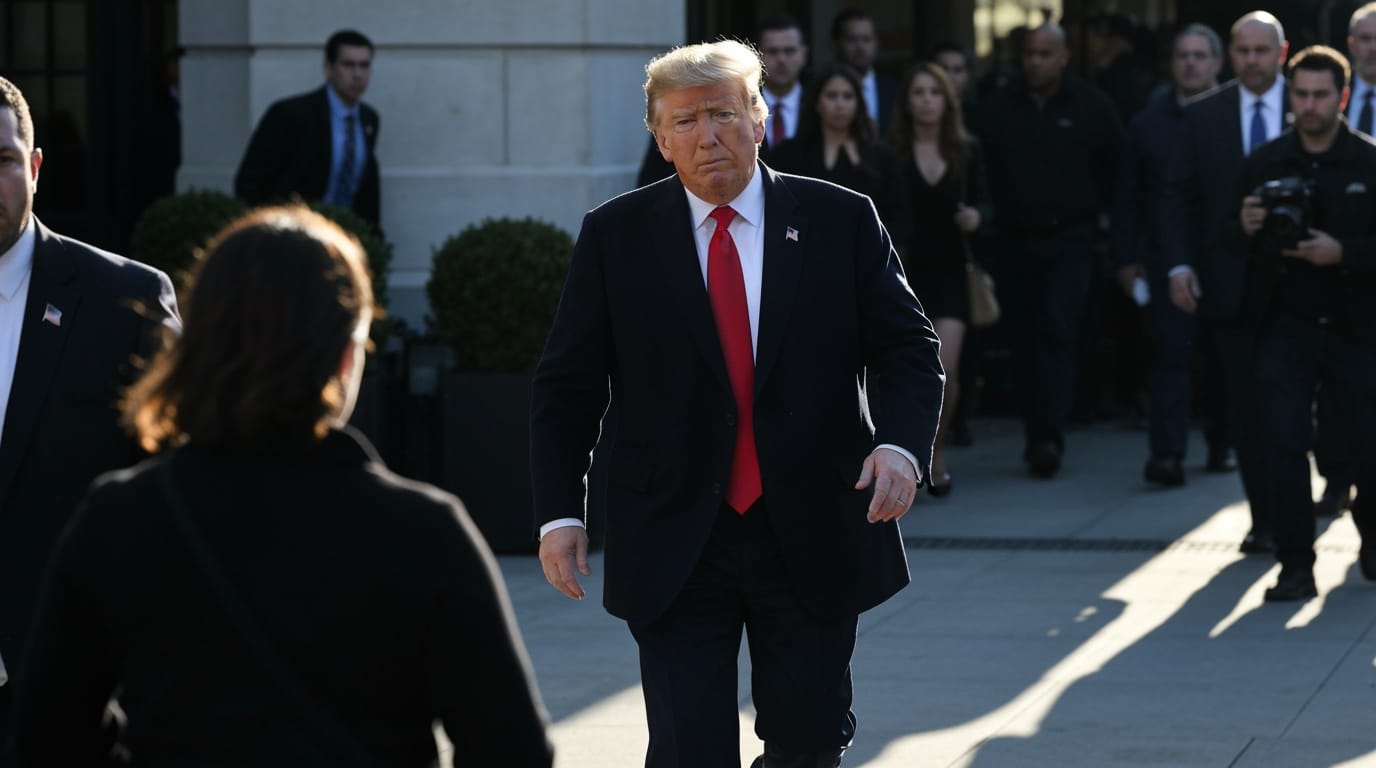
WASHINGTON, D.C. – The annual White House Correspondents' Dinner, a tradition meant to celebrate press freedom and foster a lighter interaction between the presidency and the media, was abruptly disrupted Saturday evening when President Donald Trump and First Lady Melania Trump were evacuated from the ballroom amidst a rapidly unfolding security incident. The sudden exit of the nation's leaders, triggered by reports of loud bangs, plunged the high-profile event into chaos and highlighted the persistent security concerns surrounding public gatherings involving the President.
The incident, which occurred at the Washington Hilton ballroom, sent hundreds of journalists, politicians, and celebrity guests ducking under tables as Secret Service agents and other authorities swarmed the venue. While initial reports cited an "unspecified threat" and an "unknown security situation," later accounts from news organizations, including CNN, indicated that the education secretary had confirmed a shooter outside the ballroom, who was subsequently shot and killed by Secret Service officials. No injuries were immediately reported among the attendees, but the event was cut short, leaving a palpable sense of alarm and uncertainty in its wake. The dramatic turn of events underscored the fragility of security at even the most meticulously planned gatherings and cast a somber shadow over an evening typically marked by humor and camaraderie.
An Evening of High Stakes and Tensions
President Trump's attendance at the 2026 White House Correspondents' Association dinner marked his first appearance at the event as president, an occasion that was already under intense scrutiny given his often contentious relationship with the press. Historically, the dinner serves as a platform for presidents to engage with the journalists who cover them, often incorporating lighthearted jokes about the media and themselves, while also reaffirming the importance of a free press. However, the lead-up to this year's dinner was colored by a backdrop of ongoing friction, with the Trump administration having taken measures against the media, including restricting access for some news outlets.
Many in the journalism community had voiced concerns regarding the appropriateness of Trump's attendance, citing his repeated criticisms of the press as "fake news" and "enemies of the people." Organizations like the White House Correspondents' Association (WHCA) defended the invitation, emphasizing the dinner's role in funding journalistic awards and scholarships, and noting its century-long tradition of hosting presidents. Despite the contentious atmosphere, the President entered the subterranean banquet hall to the strains of "Hail to the Chief," greeting prominent journalists on the dais before the evening took its unexpected and alarming turn.
The Immediate Aftermath and Security Response
The sequence of events unfolded rapidly as loud noises reverberated through the ballroom, prompting an immediate and decisive response from security personnel. Guests described a scene of sudden confusion and fear, with many instinctively dropping to the floor or seeking cover beneath tables. The swift evacuation of President Trump and his wife by the Secret Service highlighted the agency's preparedness for potential threats, as they prioritized the safety of the President and other senior government officials present.
Law enforcement agencies quickly secured the perimeter of the Washington Hilton, with additional personnel arriving at the North Lobby entrance shortly after the dais was cleared. The initial lack of detailed information regarding the nature of the threat contributed to heightened anxiety among attendees and observers. However, subsequent reports provided a more specific, albeit alarming, picture of an external threat that prompted the drastic measures. The incident served as a stark reminder of the ever-present security challenges faced by high-ranking officials and the critical role of protective services in mitigating potential dangers.
Broader Implications for Presidential Engagements and Media Relations
The security incident at the White House Correspondents' Dinner is likely to spark renewed debates regarding the format and future of such high-profile events. The traditional gathering, often dubbed "Nerd Prom," brings together hundreds of Washington journalists, media executives, and government officials, creating a unique environment for both celebration and potential vulnerability. While the immediate focus remains on the details of the security breach and the safety of all involved, the event's disruption could lead to a re-evaluation of security protocols for presidential appearances at large public functions.
Beyond the immediate security concerns, the incident further complicates the already strained relationship between the presidency and the press. President Trump's decision to attend this year, after largely boycotting the event during his previous term, was seen by some as an opportunity for engagement, despite his long-standing criticism of media coverage. However, the abrupt end to the evening due to a security threat, regardless of its direct connection to the ongoing media discourse, may inadvertently deepen existing divisions or reinforce a narrative of external threats to the political establishment. The incident adds another layer of complexity to the delicate balance between transparency, access, and the imperative of presidential security in an increasingly volatile world.
Conclusion
The premature end to the 2026 White House Correspondents' Dinner following the evacuation of President Trump due to a security incident marks a significant and unsettling moment in the event's long history. What began as a highly anticipated evening, scrutinized for its potential impact on media-presidency relations, concluded with a stark demonstration of real-world threats. The immediate response of security services, ensuring the safety of the President and First Lady, underscores the constant vigilance required in safeguarding national leaders. As investigations continue to clarify the full scope of the security breach, the incident will undoubtedly prompt discussions about public safety, the nature of presidential engagements, and the evolving dynamics between the White House and the press in an era defined by heightened tensions and ever-present security challenges.


