Self-Exiled Chinese Billionaire Guo Wengui Sentenced to 30 Years for Billion-Dollar Fraud Scheme in U.S.
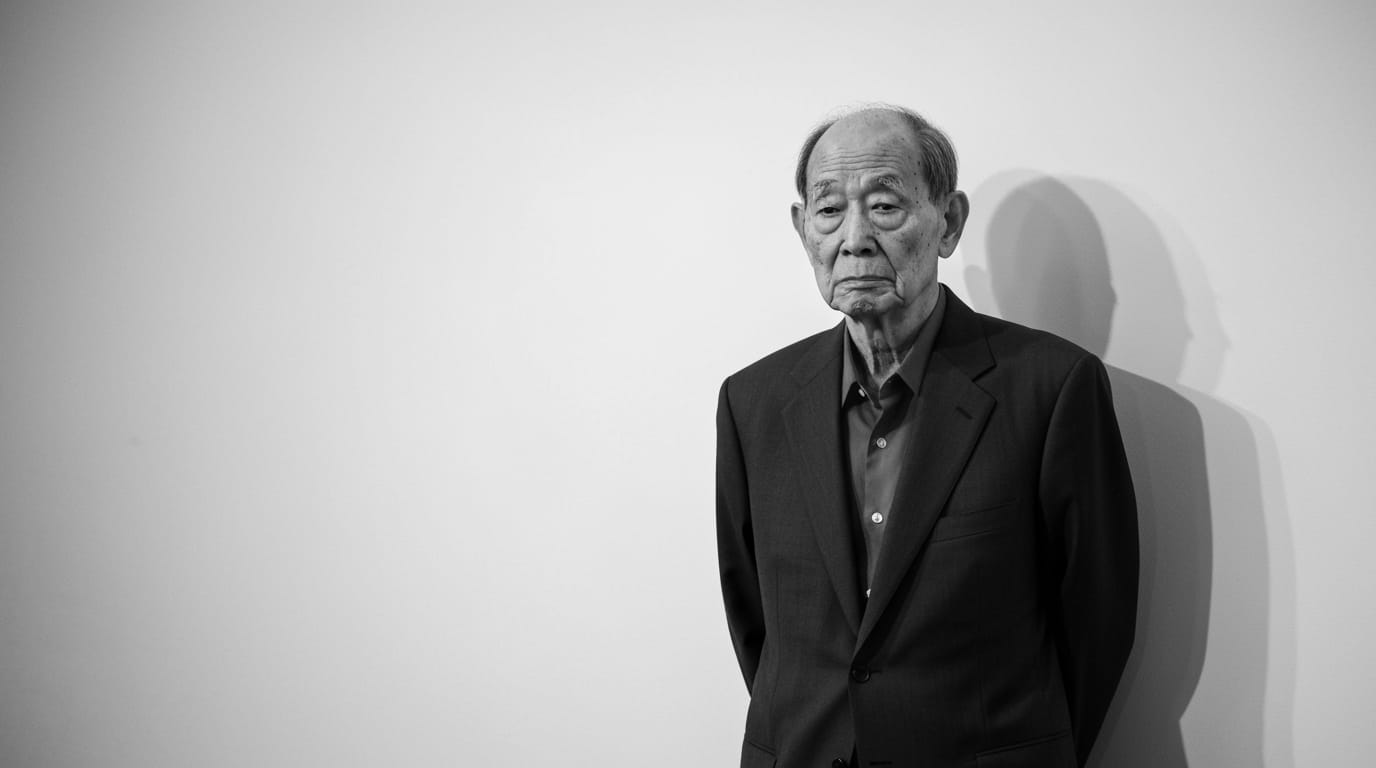
NEW YORK – Guo Wengui, the self-exiled Chinese billionaire who rose to prominence as a vocal critic of Beijing, has been sentenced to 30 years in a U.S. federal prison for orchestrating a sprawling financial fraud that defrauded thousands of his followers out of more than $1 billion. The sentencing, handed down on June 29, 2026, in a Manhattan federal courtroom, marks a decisive end to a complex saga that saw Guo transform from a real estate mogul to a political dissident, ultimately culminating in his conviction on multiple felony charges related to racketeering, wire fraud, and securities fraud.
Decades Behind Bars for "Astonishing" Deceit
U.S. District Judge Analisa Torres imposed the lengthy sentence, highlighting the devastating impact of Guo's schemes on his victims, many of whom were drawn to him by his self-proclaimed mission to oppose the Chinese Communist Party (CCP). Prosecutors had sought at least 30 years, describing the fraud as "astonishing" and detailing how it "destroyed hundreds of lives" through financial, emotional, and psychological devastation. In addition to the prison term, Judge Torres ordered Guo to forfeit $889 million in ill-gotten gains, ensuring a significant financial penalty alongside his incarceration. Guo, also known as Ho Wan Kwok, Miles Guo, and Miles Kwok, was convicted in July 2024 on nine of twelve criminal counts following a seven-week trial.
Unraveling a Multi-Million Dollar Web of Deception
The conviction and subsequent sentencing stem from an elaborate series of fraudulent investment schemes that Guo operated between 2018 and 2023. Prosecutors presented evidence that Guo leveraged his considerable online presence and his anti-CCP persona to lure followers into bogus investment opportunities. He promised them exorbitant returns and claimed their funds would be safe, often suggesting that investments would support his political movement or finance challenges to China's government. Instead, the funds were channeled directly into sustaining an opulent lifestyle for Guo and his associates.
The schemes included unregistered offerings for GTV Media Group, a media venture Guo co-founded with former White House strategist Steve Bannon, and the Himalaya Exchange, a purported cryptocurrency project. Investors were encouraged to purchase shares, participate in membership programs, and invest in a cryptocurrency that never materialized as promised. Prosecutors underscored how Guo utilized "devious lies" through hundreds of broadcasts and videos to convince his followers, many of whom were devoted to his anti-CCP cause, to part with their hard-earned money. His defense team argued that Guo did not intend to defraud his followers and that his lavish spending was not criminal, suggesting he was deeply invested in his political movement. However, the jury ultimately sided with the prosecution, finding him guilty of deceiving thousands of individuals.
From China's Elite to U.S. Dissident and Convict
Guo Wengui's journey to a U.S. prison began in 2014 when he fled China amidst an anti-corruption crackdown that targeted his associates. Once ranked among China's wealthiest individuals with an estimated net worth of $2.6 billion, he reinvented himself in the United States as a self-proclaimed whistleblower and a fierce critic of the Chinese Communist Party. He gained a significant online following and cultivated powerful connections within certain American conservative circles. Through his media platforms, Guo disseminated various claims and often spread misinformation, while simultaneously soliciting investments from his audience.
Before his arrest in March 2023, Guo had already faced scrutiny from U.S. authorities. In 2021, he reached a settlement with the U.S. Securities and Exchange Commission (SEC) involving $539 million in refunds and penalties related to illegal fundraising activities. While Guo maintained that the accusations against him, both in the U.S. and from China (where he is wanted on charges including rape, kidnapping, and bribery), were politically motivated attempts to silence his activism, U.S. courts ultimately deemed his financial activities criminal. During his sentencing, Guo reiterated his claim that his primary intention was "to destroy the CCP," a statement that Judge Torres considered but did not sway her decision regarding the fraud victims.
The Human Toll and a Message from the Courts
The court heard poignant testimonies and received numerous letters from victims describing profound financial ruin and emotional distress. Many recounted losing their entire life savings, feeling shamed, anxious, and even experiencing family estrangement due to their investments with Guo. Judge Torres noted that Guo "preyed on those seeking to bring Democracy to China," exploiting their hopes and political aspirations for his personal enrichment. She emphasized his lack of remorse, stating that he "takes no responsibility for his actions and instead insists incredibly his conduct caused no loss and harmed no one."
This high-profile case sends a clear message about accountability for financial fraud, particularly when it targets vulnerable populations or leverages political causes. The U.S. justice system has demonstrated that claims of political dissidence do not provide immunity from charges of defrauding investors. The conviction and severe sentence underscore the judiciary's commitment to protecting the public from elaborate schemes, regardless of the perpetrator's background or stated motivations.
Conclusion
The sentencing of Guo Wengui closes a chapter on a case that captivated observers on both sides of the Pacific. From a powerful Chinese businessman to a high-profile U.S.-based dissident, Guo's trajectory has culminated in a lengthy prison term, serving as a stark reminder that the pursuit of personal gain through deceit carries severe consequences under U.S. law. The focus now shifts to the victims, many of whom face a long path to recovery, and to the broader implications for public trust in online movements and investment opportunities. The courts have spoken, affirming that exploiting hope and trust for illicit financial gain will be met with decisive justice.


