Senegal Appoints Economist Ahmadou Al Aminou Lo as Premier Amidst Political Upheaval and Debt Crisis
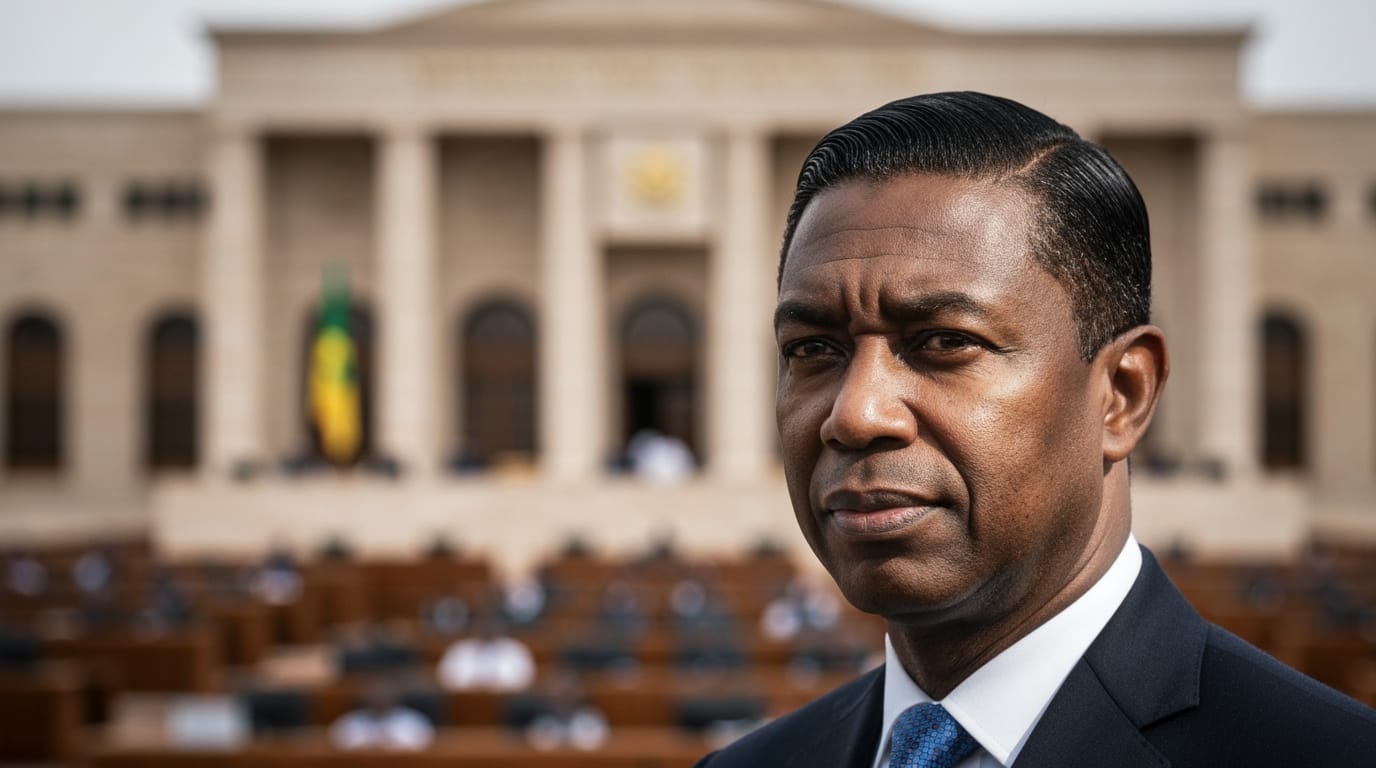
DAKAR, Senegal – In a dramatic political reshuffle that has sent ripples through West Africa, Senegal’s President Bassirou Diomaye Faye has appointed seasoned economist Ahmadou Al Aminou Lo as the new Prime Minister. This pivotal decision, announced on Monday, May 25, 2026, follows President Faye's abrupt dismissal of his former mentor and populist Prime Minister, Ousmane Sonko, and the dissolution of the entire government three days prior. The shake-up comes as the nation grapples with a formidable public debt crisis and delicate ongoing negotiations with the International Monetary Fund (IMF), signaling a potential shift towards a more technocratic approach to economic governance.
A New Face for a Troubled Economy
Ahmadou Al Aminou Lo steps into the top ministerial role at a critical juncture for Senegal. His appointment, made via presidential decree, highlights his extensive expertise in finance and economics. Lo previously served as an executive at the Central Bank of West African States, a background that underscores his deep understanding of monetary and financial systems. In his first public statement following the announcement, Lo acknowledged the nation's "difficult financial situation," emphasizing the need for integrity, transparency, and "economic and cultural sovereignty." He also sought to reassure both local private sector players and foreign investors that Senegal remains a "safe and viable country" despite the prevailing challenges. His immediate task is to assemble a new government, a process closely watched for its potential impact on policy direction.
The Dismissal of a Political Powerhouse
The decision to remove Ousmane Sonko from the premiership and dissolve the government was conveyed in a late-night broadcast on Friday, May 22, 2026, by Oumar Samba Ba, the secretary-general of the government. Sonko, a charismatic figure who had served as Prime Minister from April 3, 2024, until his dismissal, took to social media shortly after, stating he would "sleep with a light heart in the Keur Gorgui neighborhood." His sacking marks the culmination of months of escalating tensions between him and President Faye, once close allies and political partners.
Sonko played a pivotal role in Faye's ascent to the presidency. Barred from running in the 2024 presidential election due to a defamation conviction, Sonko rallied his significant youth following behind Faye, propelling him to a decisive first-round victory with over 54% of the vote. This unique mentor-protégé dynamic initially led to a power-sharing arrangement, with Sonko wielding considerable influence despite not holding the top executive office. Their partnership, however, proved increasingly strained by policy disagreements and perceived rivalries.
A Deepening Rift Over Economic Sovereignty
The primary point of contention between President Faye and former Prime Minister Sonko revolved around the critical issue of Senegal's public debt and the country's engagement with the International Monetary Fund. Senegal faces a staggering debt burden, which the IMF estimates reached 132% of its Gross Domestic Product (GDP) by the end of 2024, amounting to approximately $13 billion. The IMF had previously frozen a $1.8 billion lending program after the discovery of misreported debt by the preceding government, creating an urgent need for fiscal reform and renewed international support.
While President Faye signaled a more pragmatic and "flexible approach" towards a new IMF aid program, Sonko staunchly advocated for a "domestic, sovereigntist approach," publicly opposing any debt restructuring that he claimed the IMF was promoting. This divergence in economic philosophy became a flashpoint, culminating in Sonko's open criticism of Faye and veiled threats to lead the ruling Pastef party into opposition if the president deviated from their agreed-upon agenda. This internal friction within the ruling party, which dominates the National Assembly with 130 out of 165 deputies, threatened to paralyze legislative efforts crucial for securing IMF support and implementing reforms. Compounding the political drama, the resignation of the National Assembly speaker on Sunday has fueled speculation that Sonko himself might seek this powerful parliamentary position, potentially creating a formidable institutional check on President Faye's authority.
The Economic Road Ahead and Lingering Political Questions
The appointment of Ahmadou Al Aminou Lo, a figure known for his economic acumen rather than populist appeal, signals President Faye's commitment to addressing Senegal's severe financial challenges head-on. The new administration's immediate priority will be to form a stable government and resume critical talks with the IMF, which are reportedly scheduled to restart in the week of June 8, with hopes of reaching an agreement on key points by June 30.
Senegal faces an array of daunting economic indicators, including a 14% budget deficit, an unemployment rate hovering around 20%, and a poverty rate affecting 36% of its population. While Sonko's previous economic recovery plan emphasized domestic resource mobilization and a rigorous audit of resource deals, Lo's measured approach suggests a nuanced strategy to navigate both internal and external financial pressures. The ongoing political instability, particularly the uncertain future role of Ousmane Sonko and the Pastef party's dominance in parliament, could significantly complicate the new government's ability to pass necessary reforms and maintain investor confidence.
This leadership change underscores a critical moment for Senegal, as President Faye attempts to consolidate authority and steer the nation toward economic stability. The transition from a charismatic populist at the helm of government to a technocratic economist reflects a clear prioritization of financial pragmatism. However, the legacy of Sonko's influence and the underlying political tensions ensure that the path forward will be closely watched, with the delicate balance between economic recovery and political cohesion remaining paramount for the West African nation.


