Senegal Moves to Dramatically Increase Penalties for Same-Sex Acts Amid Rising Homophobia
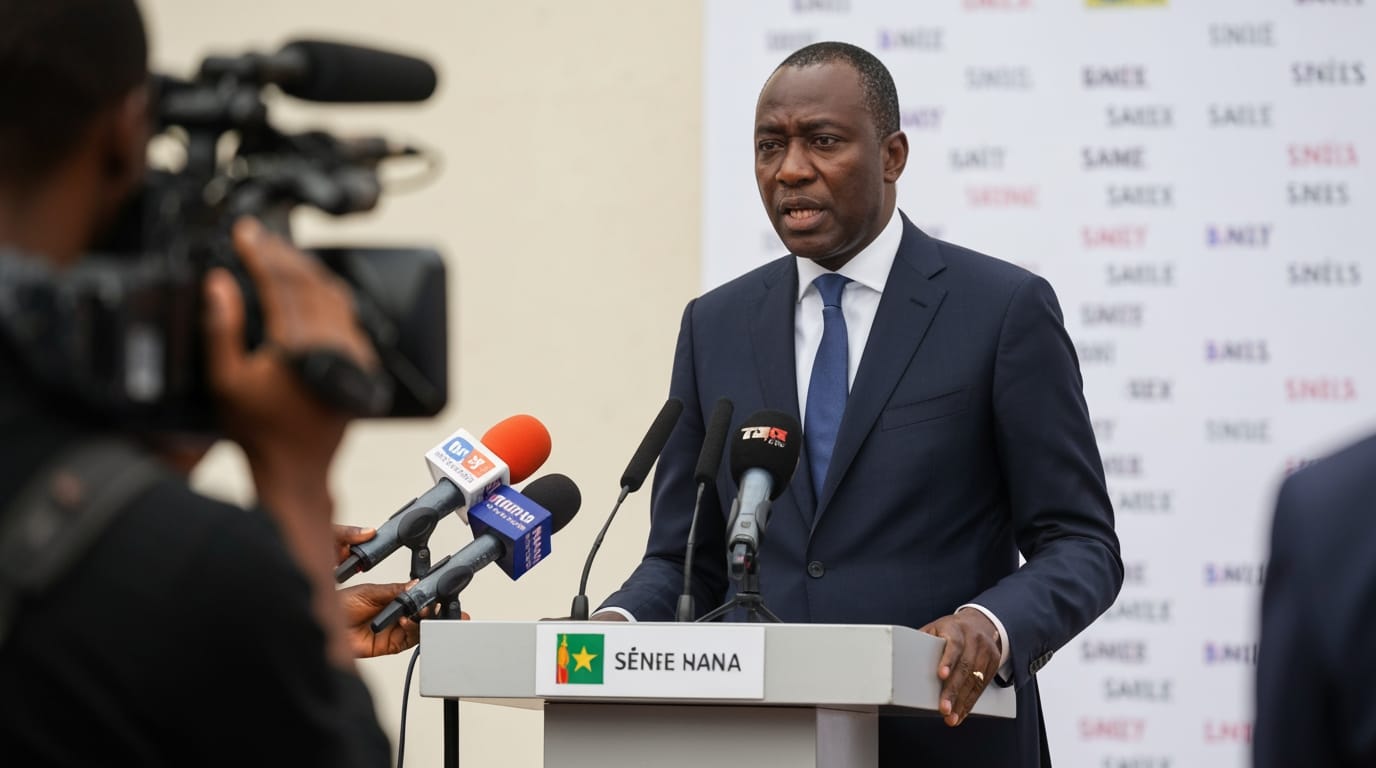
DAKAR, Senegal – The Senegalese government has adopted a new bill aimed at significantly toughening penalties for same-sex acts, a move that could see jail terms for those convicted more than double. This legislative push, coming amidst heightened social and political pressure, proposes to redefine existing laws and impose harsher punishments, drawing immediate concern from international human rights organizations. The decision reflects a growing conservative sentiment within the West African nation, challenging its international human rights commitments.
Escalation of Penalties and Legal Framework
On February 18, 2026, the Senegalese Council of Ministers adopted a bill proposing significant amendments to Article 319 of the Penal Code. This pivotal article, originally established in 1965, criminalizes "improper or unnatural acts" between individuals of the same sex. Currently, individuals found guilty under this law face imprisonment ranging from one to five years, along with fines between 100,000 and 1,500,000 francs. The maximum penalty is typically applied if the act involves a person under the age of 21.
The new bill, if enacted, would dramatically escalate these penalties. It seeks to clearly define what constitutes "unnatural acts" and would reportedly double the potential maximum jail time from five years to up to ten years. Furthermore, the proposed legislation aims to increase fines sixfold, raising them from the current maximum of 1.5 million CFA francs to 10 million CFA francs. The modifications also intend to integrate the "glorification" and "financing" of such acts into the spectrum of punishable offenses, significantly broadening the scope of the law. This represents a substantial hardening of the legal stance, far exceeding the existing framework and signaling a pronounced shift in official policy.
The Driving Forces Behind the Legislation
This recent legislative initiative is not an isolated development but rather the culmination of escalating domestic pressures and specific events. A key catalyst for the current proposal was the highly publicized arrest of 12 men in February 2026. These individuals were accused of engaging in "unnatural acts" and, controversially, the alleged intentional transmission of HIV. The arrests ignited public outcry and subsequent protests, which in turn amplified calls for more stringent punishments against same-sex relations across the country.
The political landscape in Senegal has been increasingly shaped by conservative forces. Organizations such as the "And Samm Djikko Yi" (Together to Protect Values) coalition, a prominent conservative Muslim group, have been vocal in their demands for tougher legislation. This coalition has publicly pressed the government to deepen the criminalization of same-sex relations and related conduct, reportedly threatening nationwide mobilization if new, harsher laws are not in place by April.
These efforts to toughen laws against homosexuality have surfaced previously, with parliamentary attempts to increase penalties in both 2022 and 2024 proving unsuccessful. In January 2022, a similar bill proposing to double jail time to 10 years was rejected by the National Assembly. However, the current bill enjoys greater governmental backing, having been adopted by the Council of Ministers. Public sentiment in Senegal remains overwhelmingly conservative; a 2013 Pew Global Attitudes Project survey indicated that 97% of the population believes homosexuality is a way of life that society should not accept. This pervasive societal disapproval provides a fertile ground for legislative actions that reinforce traditional values.
Human Rights Concerns and International Reaction
The proposed legislative changes have triggered significant alarm among international human rights organizations, who view the move as a serious regression of fundamental rights. Groups such as Human Rights Watch have swiftly called on Senegalese authorities to release individuals arrested under these discriminatory laws and to repeal such provisions altogether. These organizations emphasize that criminalizing consensual same-sex conduct directly violates multiple internationally protected rights, including the rights to equality and non-discrimination, privacy, and freedom from arbitrary detention.
A particularly grave concern is the potential impact on public health initiatives, especially those related to HIV prevention and treatment. Human rights advocates highlight that the fear of prosecution and the intensified crackdown could drive LGBTQ+ individuals further underground, making it more difficult to reach them with vital health services. Health workers focusing on HIV prevention and treatment have expressed worry that they could become inadvertently entangled in criminal investigations through contact tracing on detainees' devices, thus undermining essential public health efforts. The criminalization of same-sex conduct and the use of materials like condoms or HIV treatment as evidence further exacerbate these fears, potentially leading to a decrease in testing and an increase in the spread of the virus.
Impact on Senegal's LGBTQ+ Community
For LGBTQ+ individuals in Senegal, the current legal and social climate is already fraught with challenges. Even under existing laws, they frequently face arrest, arbitrary detention, discrimination, and violence. There have been consistent reports of mob attacks, harassment, and threats, with anecdotal evidence of individuals being ostracized, and in extreme cases, even mob violence. In October 2023, a mob in Kaolack exhumed and burned the body of a man believed to be gay, highlighting the extreme hostility that can prevail.
The proposed doubling of jail terms and the expansion of the law's scope would undoubtedly deepen the atmosphere of fear and vulnerability within the LGBTQ+ community. Activists have previously noted an increase in arrests related to sexual orientation, and stricter laws could further intensify this trend. The prospect of longer prison sentences and higher fines not only threatens individuals' freedom but also their economic stability and social standing. The inclusion of "glorification" and "financing" within the punitive framework could also stifle advocacy efforts and support networks for LGBTQ+ people, further isolating them within society. This legislative measure risks cementing an environment where individuals are not only legally persecuted but also subjected to heightened social stigma and violence, eroding their fundamental human dignity and rights.
The proposed bill in Senegal represents a critical juncture for human rights in the nation. By seeking to impose harsher penalties for same-sex acts, the government is aligning itself with conservative domestic pressures, potentially at the cost of international human rights principles and its global standing. The move highlights the profound tension between traditional cultural and religious values and universal human rights standards. As the bill progresses through the legislative process, the global community will closely watch whether Senegal chooses a path that further entrenches discrimination or one that upholds the dignity and rights of all its citizens.


