Senior German Conservative Jens Spahn Resigns Amid Surrogacy Controversy


Berlin, Germany – Jens Spahn, a prominent figure in Germany's Christian Democratic Union (CDU) and the parliamentary leader of the joint CDU/CSU group, announced his resignation on Saturday, July 18, 2026, following intense public and internal party criticism over his decision to become a father via a surrogate mother in the United States. The departure of the 46-year-old politician ignites a fresh debate within Germany regarding surrogacy laws, which are currently prohibited in the country, and raises questions about personal choices conflicting with established political stances. Spahn cited a realization that his "personal happiness — starting a family with my husband and becoming a father — is incompatible with my political office" as the reason for stepping down.
A Personal Decision, A Political Firestorm
The controversy erupted after Spahn and his husband, Daniel Funke, confirmed on July 15, 2026, that they had welcomed a son, Georg, born through a surrogate in the United States. This personal news quickly escalated into a political firestorm, primarily because Germany strictly bans surrogacy, and Spahn's own party, the CDU, has been a vocal opponent of the practice. Critics swiftly accused Spahn of hypocrisy, given his previous political positions and the CDU's unwavering stance.
Spahn, who served as Federal Minister of Health from 2018 to 2021, a period that included the COVID-19 pandemic, had previously rejected efforts to legalize altruistic surrogacy, citing the paramount importance of child welfare. Furthermore, as early as 2015, he had expressed personal reservations about the concept of a "rented womb" as a gay man and a Christian. The CDU itself had just reaffirmed its commitment to an absolute ban on surrogacy, including altruistic models, at its party conference in February 2026, citing concerns over "abuse, exploitation and health risks." Reportedly, the surrogate was already four months pregnant at the time of this reaffirmation.
Germany's Strict Stance on Surrogacy
German law, primarily through the Embryo Protection Act (EschG) of 1991, prohibits medical practitioners from implanting an embryo in a woman who does not intend to keep the child after birth. While fertility treatments like in-vitro fertilization (IVF) are legal, any involvement of doctors or healthcare professionals in surrogacy arrangements can lead to penalties, including up to five years imprisonment. Promoting surrogacy through advertisements or profiting financially from it is also forbidden.
A fundamental principle in German law dictates that the woman who gives birth to a child is legally recognized as its mother. This means that in cases of surrogacy, the surrogate mother is legally considered the child's mother. For intended parents, this complex legal landscape often necessitates an adoption process for the intended mother to gain legal parenthood. While surrogacy is strictly prohibited domestically, German law does not make it illegal for citizens to raise a child born via surrogacy abroad. In fact, a 2014 ruling by the German Federal Court of Justice acknowledged the possibility of recognizing legal parenthood for intended parents following transnational surrogacy, though this often involves complicated legal steps to establish parentage in Germany.
A Broader Ethical and Political Divide
The incident has reignited a deeply rooted ethical debate in Germany and across Europe. Opponents of surrogacy, including feminist writer Alice Schwarzer, argue that the practice commodifies women and children. This perspective aligns with broader international concerns, with the UN Special Rapporteur on violence against women and girls recently urging a global abolition of surrogacy, characterizing it as a "system of violence, exploitation and abuse against women." Critics emphasize the potential for exploitation of women, particularly those in vulnerable economic situations, and the ethical implications of intentionally creating a child to be separated from its birth mother.
From a political standpoint, Spahn's resignation underscores the profound challenges when personal reproductive choices clash with established party doctrine and national legal frameworks. While some acknowledge the desire for children, even among same-sex couples, concerns over the instrumentalization of women remain central to the debate. Chancellor Friedrich Merz, leader of the CDU, responded to the unfolding situation by stating he saw "no reason" to alter Germany's ban on surrogacy or his party's firm opposition. This firm stance, coupled with calls for Spahn's resignation from within the CDU, highlighted the significant internal pressure he faced.
Implications for German Politics and Society
Jens Spahn's resignation marks a significant moment for the CDU and German politics. As a long-standing member of the Bundestag since 2002 and the leader of the parliamentary group, his departure leaves a void in the conservative leadership. The controversy forces the CDU to confront the complexities of modern family structures and reproductive technologies, even as it adheres to traditional views. While Spahn's decision to use surrogacy abroad was legally permissible for German citizens, the political repercussions within his party highlight the expectation that high-ranking officials uphold, or at least not openly contradict, their party's core tenets and the nation's legal principles.
The incident is expected to intensify discussions on whether Germany's strict surrogacy laws should be re-evaluated. Proponents for change often point to the situations of German intended parents who travel abroad for surrogacy, seeking legal clarity and a more consistent approach upon their return. The fundamental ethical, legal, and social questions surrounding surrogacy — including the rights of children, surrogate mothers, and intended parents — will likely continue to challenge policymakers and society as Germany navigates these evolving considerations in the years to come.
Related Articles

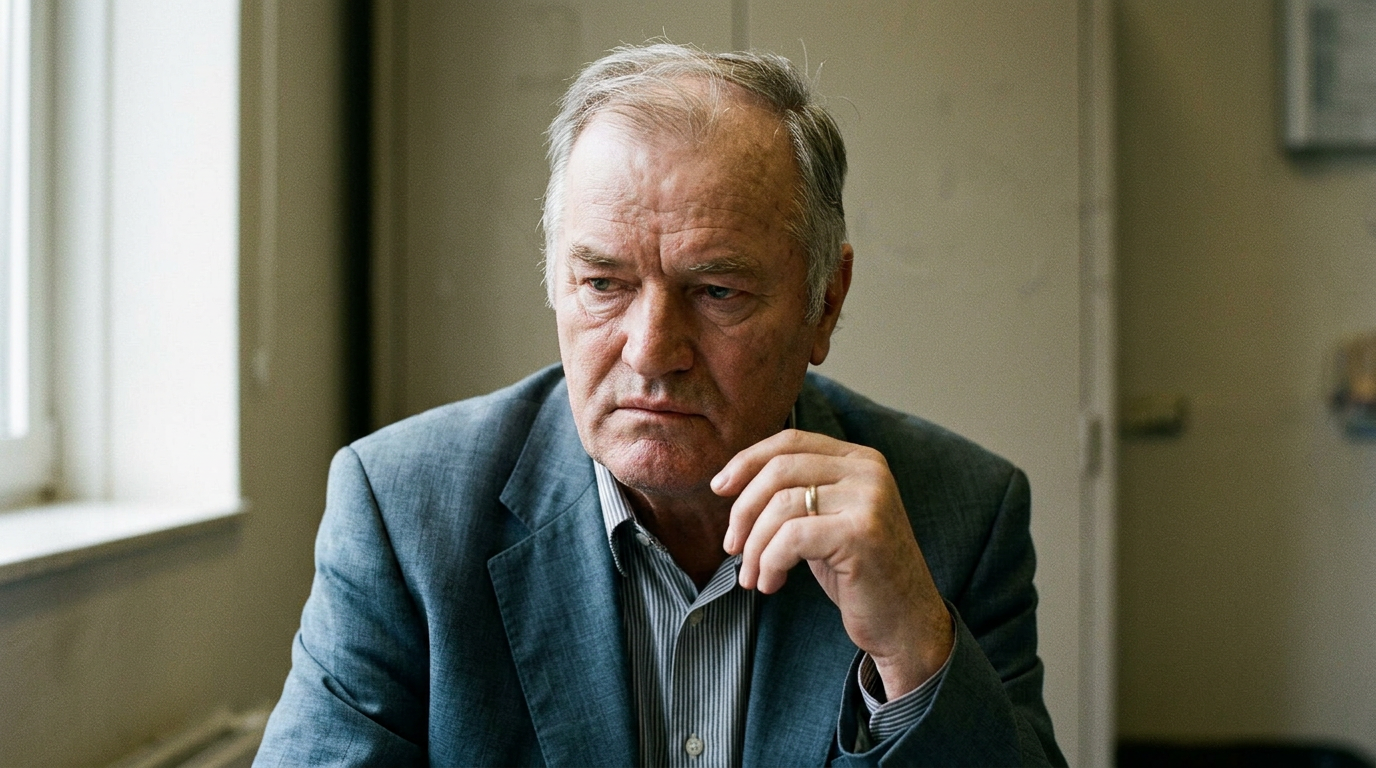
Ratko Mladić, "Butcher of Bosnia" and Convicted War Criminal, Dies at 84
THE HAGUE, Netherlands – Ratko Mladić, the former Bosnian Serb military commander known as the "Butcher of Bosnia" and convicted of genocide, war crimes, and crimes against humanity, has died at the age of 84. Serbian...


Long-Awaited 9/11 Mastermind Trial Set for 2028, Decades After Attacks
GUANTANAMO BAY, Cuba – Nearly a quarter-century after the devastating terror attacks of September 11, 2001, a military judge has finally set a trial date for Khalid Sheikh Mohammed, the alleged mastermind behind the...