Serbian Government Denies Using 'Sonic Weapon' on Protesters Amidst Rising Tensions
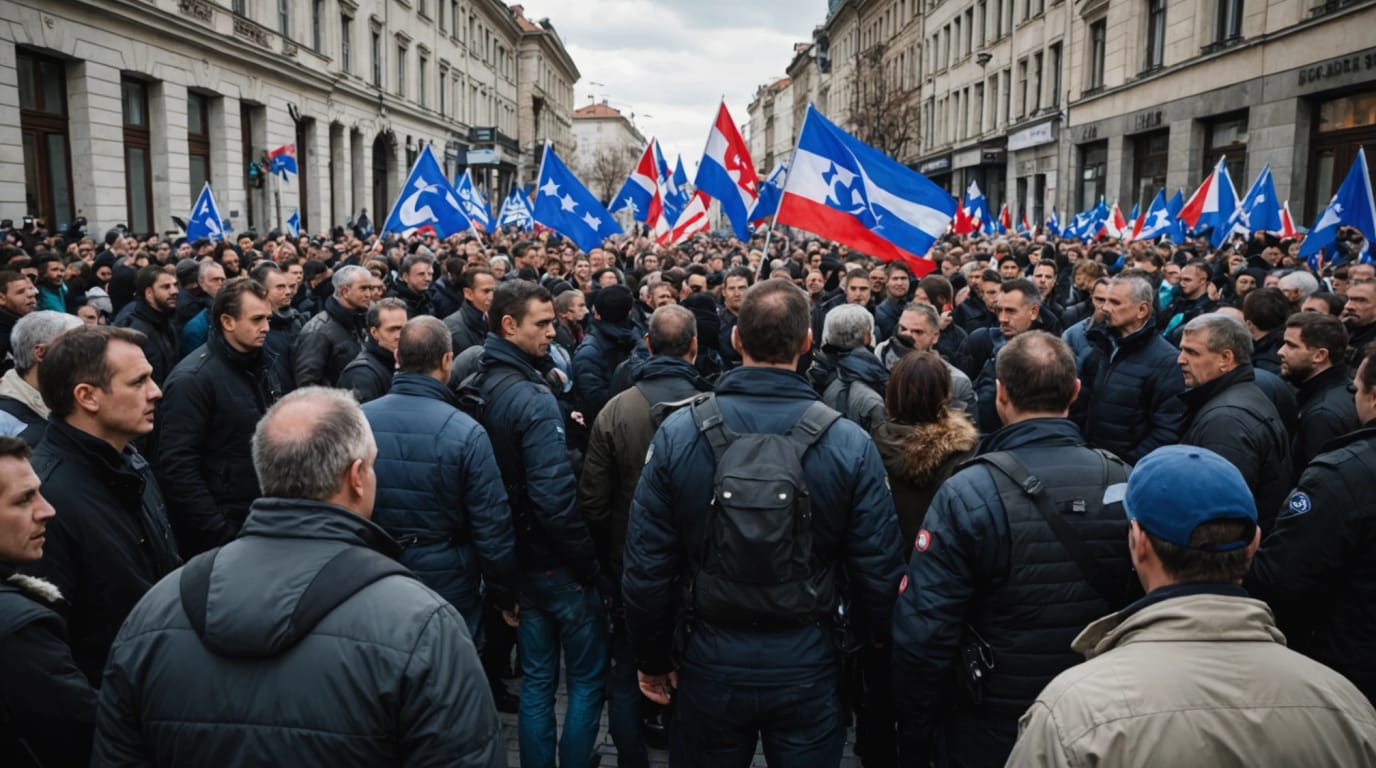
BELGRADE - Serbian officials are denying allegations that security forces deployed a military-grade sonic weapon against protesters during a large anti-government rally in Belgrade on Saturday. The denial comes after opposition leaders and human rights groups claimed the use of the acoustic device, which emits a targeted beam designed to temporarily incapacitate individuals.
The rally, which drew an estimated 100,000 people, represents a culmination of months-long protests against Serbian President Aleksandar Vučić and his government. These demonstrations initially erupted following a tragic incident in November when a concrete canopy collapsed at a train station in northern Serbia, resulting in 15 fatalities.
Allegations of Sonic Weapon Use
Opposition figures and rights organizations assert that a sonic weapon, purportedly banned internationally, was used to disperse and intimidate protesters. They claim the device emits a focused beam of sound that can cause temporary incapacitation. These groups plan to file charges with the European Court of Human Rights and domestic courts against those who authorized the alleged attack.
Eyewitness accounts and video footage from the rally depict a sudden "whooshing sound" during a period of silence held to honor the victims of the train station collapse. This sound reportedly triggered panic and a brief stampede as people scrambled for cover. An Associated Press photographer on the scene corroborated the chaos, noting that individuals were falling over each other in an attempt to escape the area.
Military experts say that exposure to such weapons can cause sharp ear pain, disorientation, and panic. Prolonged exposure could potentially lead to eardrum ruptures and irreversible hearing damage.
Government Rebuttal and Investigation
Serbian police and the defense ministry have refuted the claims, denying that any illegal weapons were used against the protesters. President Vučić has called on judicial authorities to investigate the allegations, urging them to prosecute those responsible if the use of a sonic weapon is confirmed. However, he also suggested that those who made the accusations should be prosecuted if the claims are proven false.
Belgrade's emergency hospital has also denied receiving a surge of patients seeking treatment after the alleged incident. Hospital officials are urging legal action against those who they say are spreading false information.
Broader Context of Protests
The anti-government protests stem from widespread discontent over alleged government corruption, negligence, and disregard for construction safety regulations, which many believe contributed to the train station tragedy. The demonstrations have become a platform for broader grievances against Vučić's decade-long grip on power.
The Belgrade Centre for Security Policy, a non-governmental organization, has condemned what it describes as the "unlawful and inhumane deployment of prohibited weapons, such as acoustic devices, against peaceful protesters." The organization views the alleged use of a sonic weapon as "a blatant display of force and an attempt to incite chaos, aiming to delegitimize protests and criminalize peaceful citizens."
Serbia's Arsenal and International Implications
While Serbian officials deny using the sonic weapon at the protest, the government has not denied possessing such a device in its arsenal. This ambiguity raises concerns about the potential for future deployment of such technology and its implications for freedom of assembly and expression.
The situation is further complicated by Serbia's aspirations for European Union membership. The EU places a strong emphasis on upholding human rights and the rule of law, and allegations of using banned weapons against peaceful protesters could hinder Serbia's progress toward accession.
Legal and Political Fallout
The opposition's decision to file charges with the European Court of Human Rights signals their intent to pursue legal avenues to hold the government accountable. The case could draw international scrutiny to Serbia's human rights record and potentially lead to rulings that could impact future protest policing practices.
The political ramifications of the incident are also significant. The allegations have further inflamed tensions between the government and the opposition, potentially galvanizing more citizens to join the protests. The controversy could also weaken Vučić's position domestically and internationally.
Conclusion
The controversy surrounding the alleged use of a sonic weapon at the Belgrade protest highlights the growing tensions in Serbia and raises serious questions about the government's response to dissent. While officials deny the allegations, the incident has sparked widespread condemnation and calls for a thorough investigation. The unfolding events could have far-reaching consequences for Serbia's political landscape, its human rights record, and its relationship with the international community. The coming weeks will likely see further legal challenges, political maneuvering, and continued scrutiny of the government's actions.


