Serbian Protests Intensify as Vucic's Resignation Pledge Fails to Quell Public Anger
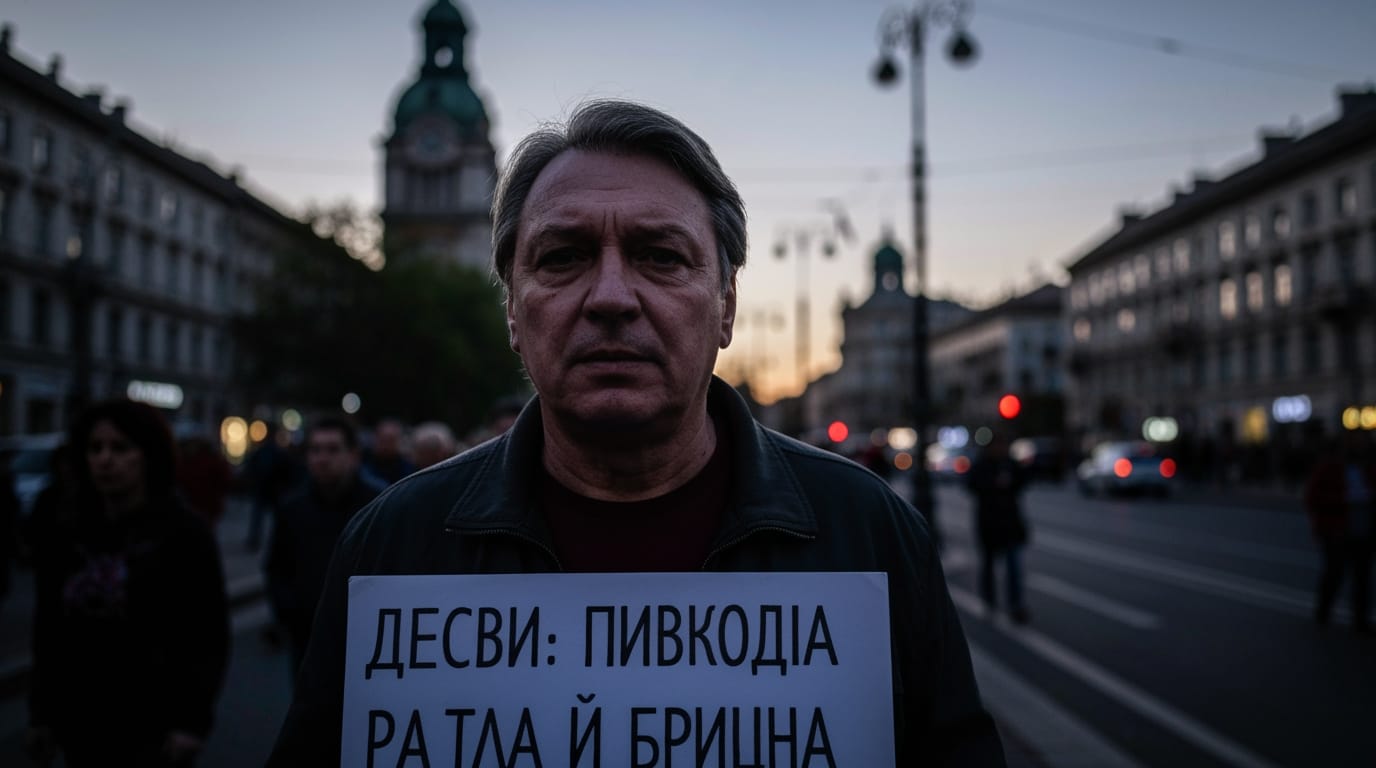
BELGRADE, Serbia – Thousands of Serbian citizens continued their anti-government protests in cities across the country this weekend, signaling deep distrust in President Aleksandar Vucic's recent announcement that he would step down within weeks. Vucic's declaration on Saturday, June 27, 2026, aimed to pave the way for early presidential and parliamentary elections, but it has been met with skepticism by demonstrators who believe the long-serving leader intends to maintain control behind the scenes. The sustained public outcry underscores an eighteen-month movement fueled by allegations of rampant corruption, a lack of accountability, and a demand for genuine democratic reform.
The Catalyst for Unrest: A Tragedy in Novi Sad
The current wave of protests, described as the largest since the overthrow of Slobodan Milosevic in 2000, gained momentum following a catastrophic incident in November 2024. The collapse of a newly constructed railway station awning in Novi Sad claimed the lives of 16 people. This tragedy quickly became a potent symbol of what many Serbians perceive as widespread government mismanagement and deep-seated corruption in state-funded projects under President Vucic's administration. Citizens and opposition groups pointed to shoddy construction and a lack of oversight, turning initial calls for a transparent investigation into broader demands for systemic change.
Vucic's Calculated Announcement and Public Distrust
President Vucic, who has dominated Serbian politics for over a decade as either president or prime minister, made his resignation announcement at a rally in Belgrade. He is currently serving his second and final presidential term, which was constitutionally set to expire in mid-2027. While his announcement suggests a concession to public pressure, many protesters and political analysts remain unconvinced of his genuine intention to relinquish power. Critics speculate Vucic plans to transition to the more powerful prime ministerial role, installing a loyal ally in the presidency to maintain his influence. He affirmed his commitment to his right-wing Serbian Progressive Party (SNS), vowing to help them secure victory in the upcoming elections, possibly under a new banner, "United Serbia." This strategic maneuvering, according to observers, would allow him to continue steering the country's direction regardless of his official title.
Deeper Grievances Fueling the Movement
The student-led protest movement, which has garnered support across various segments of society, extends beyond the Novi Sad disaster. Demonstrators are calling for comprehensive government reforms, greater transparency, and a process of "lustration" to remove officials implicated in years of corruption and abuse of power. Concerns over declining democratic standards, including restrictions on media freedom, the rule of law, and fair electoral conditions, have been consistently raised. Reports indicate a pattern of retribution against critics, including smear campaigns in pro-government media, criminal investigations, and even physical attacks. The government has frequently dismissed protesters as "foreign agents" seeking to destabilize the country.
International Scrutiny and EU Ambivalence
Serbia's aspirations for European Union membership hinge on significant improvements in its rule of law, electoral integrity, and efforts to combat corruption and organized crime. However, the EU has faced criticism for what some describe as a "loudly silent" or slow response to the escalating protests and democratic backsliding in Serbia. Critics argue that the EU has sometimes prioritized regional stability or cooperation on issues like Kosovo over consistently upholding democratic principles, inadvertently enabling Vucic's consolidation of power. The arrests of hundreds of protesters and accusations of brutal police actions have drawn condemnation from the EU, yet higher-level reactions have often been muted. This perceived ambivalence has led to questions about the EU's commitment to democratic norms in the Western Balkans.
An Uncertain Path Forward
As the protests continue and early elections loom, Serbia faces a critical juncture. While President Vucic's announcement has introduced a new dynamic, the core demands of the protest movement remain unaddressed in the eyes of many citizens. The coming weeks will test the resilience of both the government and the demonstrators, determining whether the promised elections will lead to genuine democratic change or merely a rearrangement of political power. The international community, particularly the European Union, is under increasing pressure to adopt a more decisive stance, as the trajectory of Serbia's democracy could have significant implications for the wider Balkan region.


