Serbia's LGBTQ+ Community Endures 'Epidemic of Violence' Amidst Persistent Impunity
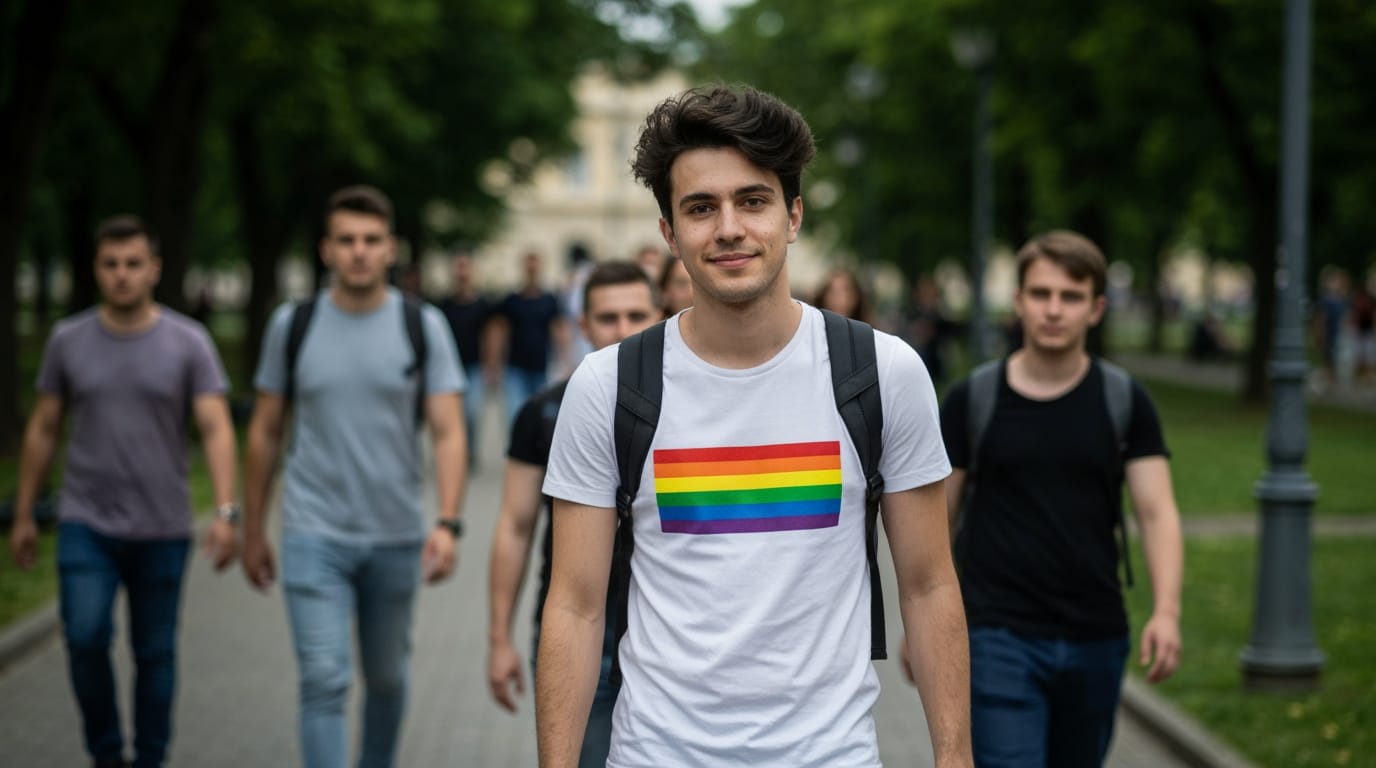
BELGRADE — The LGBTQ+ community in Serbia continues to grapple with a pervasive "epidemic of violence," marked by a consistent pattern of physical assaults, threats, and discrimination that often goes unpunished by the legal system. Despite the visible presence of LGBTQ+ individuals in public life, including annual Pride events, reports from civil society organizations paint a stark picture of a community living under constant threat, with little recourse for justice against hate-motivated crimes.
Organizations monitoring the human rights situation in Serbia consistently highlight the vulnerability of LGBTQ+ individuals to hate-motivated incidents. Between January and September of one recent year, the organization Da Se Zna! documented 82 such incidents, a significant portion of which, 28, were physical attacks. Another report by the same organization recorded 94 hate crimes between August and March 2023. These figures represent the highest number of anti-LGBT incidents documented by Da Se Zna! since 2017, underscoring a worsening environment for the community. Such data underscores a troubling reality where expressions of identity are met with hostility, fostering an environment of fear and insecurity.
The nature of the violence spans a spectrum from verbal abuse to severe physical harm. In one particularly brutal incident in February 2023, three young individuals were attacked in a central public park in Belgrade. Two of them required hospitalization due to serious injuries, with reports indicating homophobia as the motive behind the assault. During this attack, three unidentified individuals, reportedly associated with the skinhead movement, brutally assaulted a young man from the LGBTQ+ community with a knife, while a friend sustained injuries from a broken bottle. Beyond individual attacks, community spaces also remain targets. The Belgrade Pride Info Centre has been subjected to vandalism and attacks 19 times over several years. In another instance, a sculpture commemorating Serbian queer artist Merlinka was vandalized just three days after its installation in October. These recurring acts of aggression against individuals and symbols of the community not only inflict physical and material damage but also send a chilling message of intolerance.
A critical factor exacerbating the violence is the alarming rate of impunity. The overwhelming majority of victims who report anti-LGBT attacks to authorities, nearly 90%, receive no information regarding the steps taken by the police. This lack of follow-up effectively leaves victims in the dark, undermining their trust in the justice system. The pattern of inaction is further exemplified by the fact that out of 19 attacks on the Pride Info Centre, police have only sanctioned two incidents. In a concerning development, two police officers were acquitted in 2022 despite evidence of assaulting a gay man. This pervasive lack of accountability fosters a climate where perpetrators feel emboldened, and victims are discouraged from reporting crimes, perpetuating the cycle of violence and impunity. The absence of a centralized government database to track hate crimes, driven by homophobia and transphobia, further hinders effective monitoring and analysis of these incidents, obscuring the true scale of the problem and complicating efforts to address it.
The challenges faced by Serbia's LGBTQ+ community are deeply intertwined with the broader social and political landscape. Anti-LGBT sentiment is openly expressed within political circles, with extreme-right parties actively campaigning against Pride events. High-profile political figures have also contributed to the hostile environment through their rhetoric. In September of a recent year, President Vučić made anti-trans comments, dismissing "gender fluidity and non-binary genders" as "craziness" that "will not exist in Serbia". Other politicians have similarly made anti-LGBTI statements on television, during parliamentary debates, and on social media. This institutionalized rhetoric fuels societal intolerance and reinforces discriminatory attitudes. The authorities' stance on LGBTQ+ rights has also been evident in their actions, such as the ban on EuroPride 2022 in Belgrade, which was subsequently marked by anti-Pride protests and clashes. Furthermore, the government has shown reluctance to adopt key legislative proposals aimed at protecting LGBTQ+ rights, including the Law on Same-Sex Partnerships and the Law on Gender Identity and the Rights of Intersex Persons. This failure to advance legal protections leaves the community vulnerable and underscores the political and societal resistance to equality.
Amidst these formidable challenges, civil society organizations remain at the forefront of the fight for LGBTQ+ rights and safety in Serbia. Organizations like Da Se Zna! play a vital role in independently gathering, processing, and publishing statistics and reports on hate-motivated incidents, providing crucial data that highlights the severity of the situation. Their work is indispensable for documenting discrimination and violence, offering both visibility to the issues and advocacy tools for improving queer rights in Serbia. These organizations consistently call for effective police protection and sanctions against perpetrators, filing criminal complaints and advocating for stricter penalties. Despite the lack of significant legislative progress in 2024, these groups continue their tireless efforts to push for systemic change and greater protection for marginalized communities, striving to ensure that the voices and experiences of the LGBTQ+ community are heard and recognized.
The "epidemic of violence" against Serbia's LGBTQ+ community represents a profound human rights crisis, characterized by widespread intolerance, frequent attacks, and a deeply concerning lack of judicial accountability. The confluence of societal prejudice, political rhetoric, and institutional inaction creates a perilous environment where safety and fundamental rights are consistently jeopardized. While the resilience and advocacy of civil society offer a glimmer of hope, the path toward full equality and protection for LGBTQ+ individuals in Serbia remains arduous, demanding comprehensive legislative reform, robust law enforcement, and a fundamental shift in societal attitudes to truly overcome this persistent challenge.


