Shadow Over the Waters: Belarusian Disappears in Russian Territory Amidst Exile Fears
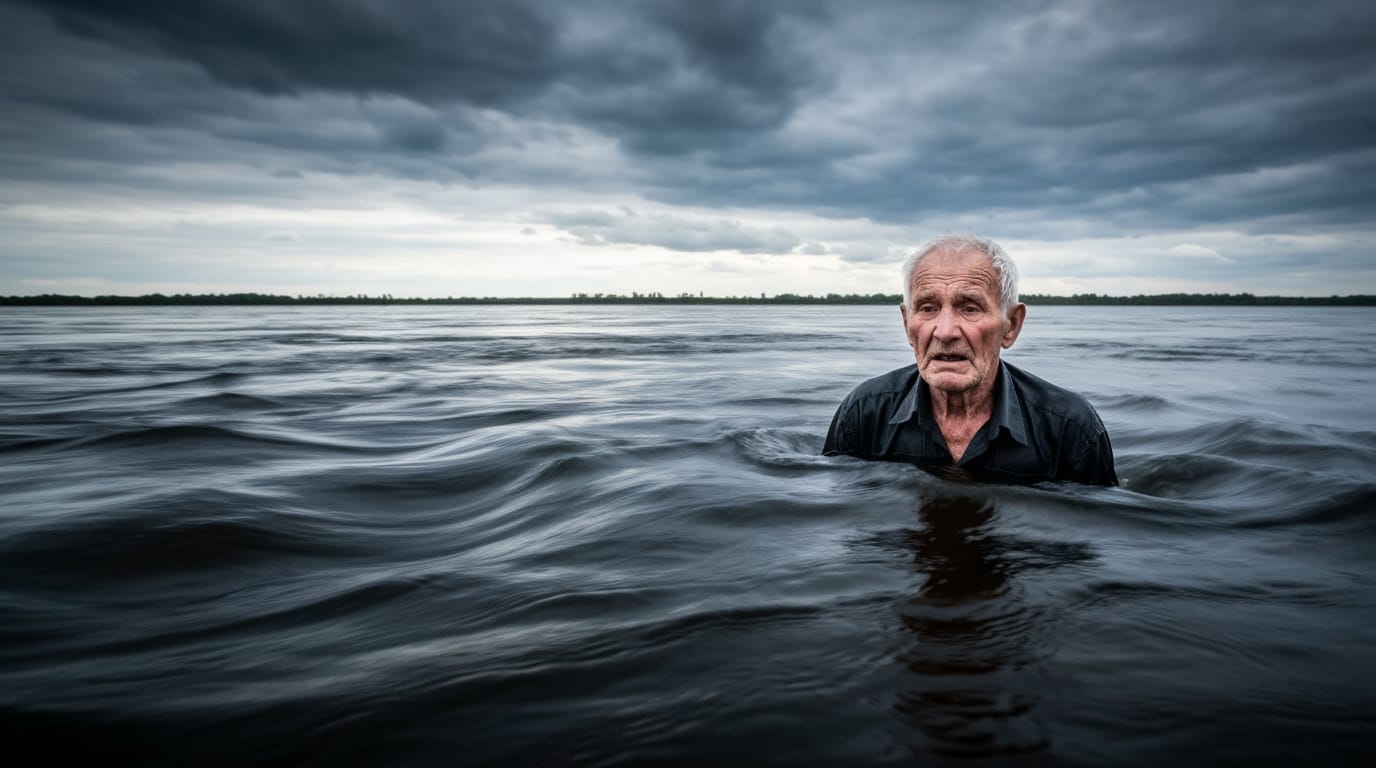
MURMANSK, RUSSIA – The chilling disappearance of a Belarusian citizen in the icy waters of Russia’s Murmansk Oblast on January 1, 2026, has cast a somber light on the precarious existence of Belarusians abroad, particularly those in territories closely allied with Minsk. While authorities attribute the incident to a tragic accident during an ice-floating excursion, the event resonates deeply within an exile community that lives under the constant threat of transnational repression from both the Belarusian and Russian regimes. The vanishing acts as a stark reminder of the dangers, both overt and subtle, that can befall individuals from a nation where dissent is brutally suppressed.
A Tragic New Year's Day on the Tuloma River
The incident unfolded on New Year's Day when a Belarusian woman, born in 1968, was reportedly swept out to sea during a group ice-floating lesson on the Tuloma River in Murmansk Oblast, a region of Russia bordering the Arctic Ocean. Russian agencies informed Belarusian diplomats that harsh weather conditions and freezing temperatures severely hampered immediate search efforts. As of January 2, 2026, the missing citizen had not been found, with search operations continuing despite the challenging environment. Russia's Investigative Committee has since brought charges against the individual entrepreneur who organized the ill-fated ice-floating event. The organizer is accused of providing services that did not meet safety requirements, leading to a person's death by negligence. An inspection revealed that specialized hydrothermal suits used during the activity did not meet safety standards, had expired service lives, and lacked required annual certification. The investigation is ongoing, with a non-custodial preventive measure imposed on the accused.
While the immediate information surrounding the Murmansk incident points to a recreational accident, the identity of the vanished Belarusian citizen has not been publicly linked to political opposition or exile status. However, the mere fact of a Belarusian disappearing in Russian-held territory inevitably triggers heightened concern among the broader Belarusian diaspora, given the documented history of close security cooperation between Minsk and Moscow targeting perceived enemies of the state.
The Long Arm of Repression: A Climate of Fear for Exiles
The disappearance in Murmansk occurs within a deeply unsettling context for Belarusians who have fled their homeland. Since the brutally suppressed protests following the disputed 2020 presidential election, hundreds of thousands of Belarusians have gone into exile, fearing political persecution. Many initially sought refuge in neighboring countries like Poland and Lithuania, but a significant number also ended up in Russia or other non-EU states, often due to visa-free access and less stringent migration rules. However, these perceived safe havens, particularly Russia, have frequently proven to be extensions of the repressive reach of the Lukashenka regime.
Human rights organizations have extensively documented cases of transnational repression targeting Belarusian activists, journalists, and ordinary citizens abroad. These actions range from formal legal instruments like extradition requests based on fabricated charges to illegal methods such as abductions and forced returns. Russia, in particular, has been identified as a country where Belarusian activists face a high likelihood of arrest and subsequent extradition to Belarus, despite the potential for torture and inhumane treatment upon return. Cases such as the seizure of former Lukashenka spokesman Alexander Feduta and U.S. citizen Youras Ziankovich by Russian FSB and Belarusian KGB agents in Moscow, followed by their secret transfer to Belarus, underscore the seamless cooperation between the security services of both nations. These incidents highlight that for Belarusian exiles, being on Russian territory can be fraught with peril, making any disappearance, even if seemingly accidental, a cause for profound alarm.
Moscow and Minsk: A Coordinated Clampdown on Dissent
The strategic alliance between Belarusian President Alexander Lukashenka and Russian President Vladimir Putin has solidified into a comprehensive framework for suppressing dissent, both domestically and extraterritorially. This cooperation is not merely informal; it involves shared legislation and coordinated actions that enable transnational repression (TNR). Russia is a party to numerous bilateral agreements and international treaties on extradition, which can be weaponized against political opponents, often under the guise of general criminal articles like "vandalism," "terrorism," or "extremism". These charges are frequently politically motivated and designed to legitimize detention or extradition without scrutiny.
The methods employed are diverse and insidious: detention pending extradition proceedings, deportations under fabricated pretexts, entry bans, and the revocation or denial of residence permits for activists. In 2026, Russia further tightened its grip on exiles with a new law signed by President Putin, allowing for the confiscation of property and seizure of bank funds of Russians living abroad accused of acting "against Russia's interests". While this law primarily targets Russian dissidents, it sets a precedent for how closely aligned regimes can leverage legal frameworks to punish those outside their borders. Belarus has also implemented measures, such as requiring Belarusians living abroad to return home to renew passports, thereby increasing their risk of arrest. The systemic nature of this repression ensures that few Belarusians in Russian-controlled areas can truly feel secure, creating a backdrop of fear where every unexplained disappearance, like that in Murmansk, assumes a darker significance.
The Human Toll and Calls for Accountability
For the approximately 500,000 Belarusians who have fled their country, the fear of repression is a constant companion. Families are torn apart, and individuals live with the gnawing uncertainty of what might happen to loved ones remaining in Belarus or to themselves if they venture into regions allied with the regime. The mental and emotional toll of this perpetual state of alert is immense. Activists and human rights defenders operate under extreme pressure, knowing they are priority targets for the security services of both Belarus and Russia. The mysterious disappearance of Anzhalika Melnikava, speaker of the Belarusian Coordination Council, in March 2025, with her phone later traced to Belarus, exemplifies the profound risks faced by prominent opposition figures, further amplifying anxieties within the exile community.
Human rights organizations like Viasna are working tirelessly to document abuses and provide support, but their efforts are hampered by the sophisticated surveillance methods and the concerted actions of authoritarian states. There are ongoing calls from international bodies and democratic governments for greater scrutiny and accountability for the human rights abuses perpetrated by the Belarusian regime, often with Russia's complicity. The international community faces the challenge of balancing human rights protection with national security concerns when addressing transnational repression.
A Lingering Shadow
The disappearance of a Belarusian citizen in the waters of Murmansk Oblast, while currently classified as an accident, underscores the profound vulnerability faced by the Belarusian exile community. Even as search efforts continue for the woman swept away in the Tuloma River, the incident inevitably intertwines with the broader narrative of transnational repression that has become a hallmark of the Lukashenka and Putin regimes. For Belarusians living in exile, particularly within Russia’s sphere of influence, every unexplained absence, every silenced voice, reinforces a climate of pervasive fear. It highlights that the fight for freedom and safety extends far beyond Belarus's borders, into territories where the shadow of authoritarian control looms large and where even seemingly innocuous events can carry a deeper, more chilling resonance.


