Shadows Within: The Deepening Trust Crisis in Syria's Evolving Army
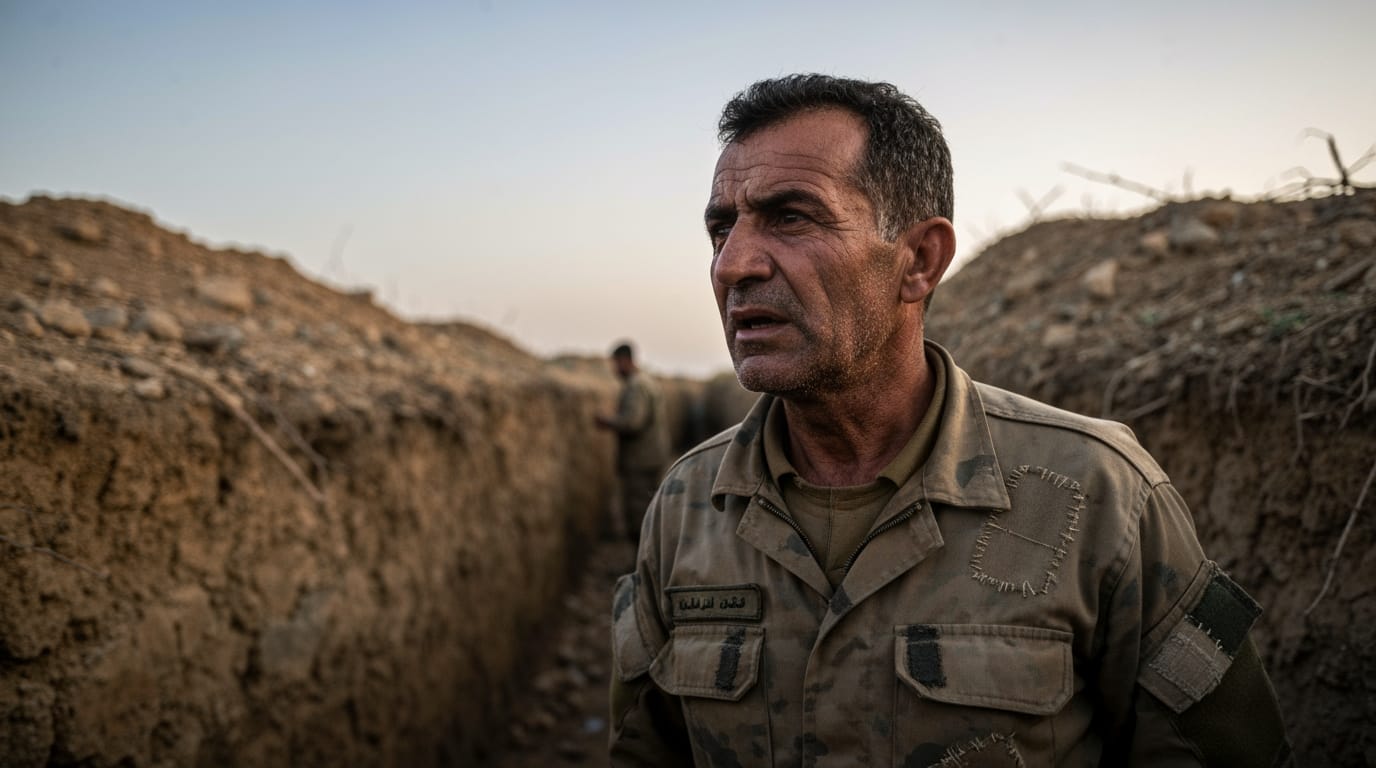
Syria, one year after the fall of Bashar al-Assad's regime and the establishment of a transitional government, grapples with a precarious peace. While the new administration, led by President Ahmed al-Sharaa, strives for stability and international recognition, a more insidious threat persists from within: the growing concern of Islamic State (IS) sympathizers infiltrating the nascent Syrian security forces. This internal vulnerability, exacerbated by a fragmented military structure and deep-seated domestic mistrust, not only undermines efforts to consolidate power but also poses a direct risk to international partners engaged in counter-terrorism operations, as recently underscored by tragic incidents involving U.S. personnel.
A Fragmented Force and the Shadow of ISIS Resurgence
The architect of the "New Syrian Army" faces a formidable challenge in forging a cohesive national defense. Far from a unified national force with a clear monopoly on the use of force, the current military structure is described as a "confederation of semi-institutionalized militias under a state umbrella". This inherent fragmentation creates significant vulnerabilities, offering fertile ground for external actors, particularly the Islamic State, to exploit and penetrate. The vacuum of centralized authority and the disparate loyalties among various groups within the security apparatus provide an opportunistic environment for IS to operate and expand its influence.
Indeed, the Islamic State has demonstrably capitalized on this instability. Attacks attributed to IS in Syria reportedly tripled in 2024, with an estimated 2,500 IS fighters remaining active across Syria and Iraq. The group is aggressively seeking to poach hardliners from other groups, including Hayat Tahrir al-Sham (HTS), by portraying the new government's engagement with Western states as a betrayal of Islamist principles. This strategic recruitment drive aims to bolster its ranks and further destabilize the fragile post-Assad landscape. The very purpose of the Islamic State, as analysts note, is to infiltrate such security forces to gain manpower and sow discord, a tactic that appears to be yielding results in the current Syrian context.
Breaches of Trust: The Human Cost of Infiltration
The theoretical threat of infiltration has tragically manifested into tangible consequences, eroding trust between the new Syrian authorities and their international allies. A stark illustration of this danger emerged with an incident earlier this year where three American military personnel were killed by a lone gunman in Syria. The Syrian interior ministry subsequently identified the assailant as a member of the Syrian security forces, suspected of sympathizing with the Islamic State. This "breach of trust," as some have termed it, highlights the profound operational risks associated with working alongside a security apparatus potentially compromised by extremist elements.
Such incidents complicate efforts by the Global Coalition against Daesh, which has operated in the region since 2014, including U.S. forces, to conduct effective counter-terrorism operations. When the very forces intended to be allies are suspected of harboring enemy sympathizers, the foundation of cooperation is fundamentally shaken. The Pentagon has responded to these threats, with U.S. airstrikes recently targeting over 70 IS targets across central Syria, in coordination with Syrian authorities and supported by Jordanian fighter jets, aiming to degrade the group's capabilities and infrastructure. Despite these efforts, the internal threat remains a critical concern, necessitating rigorous vetting processes that are difficult to implement fully within a fragmented military structure.
The Lure of Propaganda and Deepening Divisions
Beyond direct infiltration, the Islamic State thrives on and actively exploits prevailing societal grievances and divisions within Syria. Its propaganda, according to observers, finds a more receptive audience among those who feel resentment toward the new authorities. This resentment stems from various factors, including the new government's shift in alliances, particularly its cooperation with Western entities, and the lingering sectarian tensions that have long plagued the nation.
Domestic mistrust remains profound, intensified by documented violence perpetrated against minority groups, including Alawites and Druze, by forces loyal to the new government. While the current government seeks to present itself as national and pragmatic, its jihadi past (referring to al-Sharaa's background) fuels skepticism among minorities who perceive the regime as a potential Sunni-Islamist threat. Such internal conflicts and perceived injustices provide fertile ground for IS to amplify its narratives, portraying itself as an alternative for those disillusioned with the current order. The group strategically frames the fall of the Assad regime and the rule of HTS in ways that boost its appeal, capitalizing on existing fault lines and socio-economic inequalities. This ideological penetration, coupled with the potential for physical infiltration, presents a multifaceted challenge to achieving internal stability.
A Precarious Path to Stability
The new Syrian government faces an arduous journey towards establishing a stable and unified nation. Its ability to effectively combat the persistent threat of the Islamic State hinges on several critical factors: consolidating power, building legitimacy among the diverse population, economic reconstruction, and robust counter-terrorism strategies. Unifying the "New Syrian Army" into a truly national force, rather than a loose confederation of militias, is paramount to prevent further infiltration and ensure a consistent approach to security.
The presence of hardliners within groups like HTS, who might be swayed by IS propaganda if the government's moderate course alienates them, further complicates the security landscape. Moreover, addressing past crimes committed by its own fighters and preventing revenge killings, particularly against minorities, is crucial for the government to gain widespread legitimacy and counter IS's divisive rhetoric.
Conclusion
The question of trust within the Syrian army is not merely theoretical; it is a live and pressing issue with direct implications for regional stability and international counter-terrorism efforts. The confluence of a fragmented security apparatus, the opportunistic resurgence of the Islamic State, and deep-seated domestic mistrust creates a volatile environment. While the new Syrian government makes strides towards recognition and stabilization, the shadows of internal infiltration and ideological subversion loom large. Overcoming these profound challenges will require more than military might; it demands a comprehensive strategy to foster national unity, rebuild institutional trust, and address the grievances that extremist groups exploit, charting a long and precarious path towards a truly secure Syria.


