Shell Misfire Injures Eight During South Korea-U.S. Military Drill
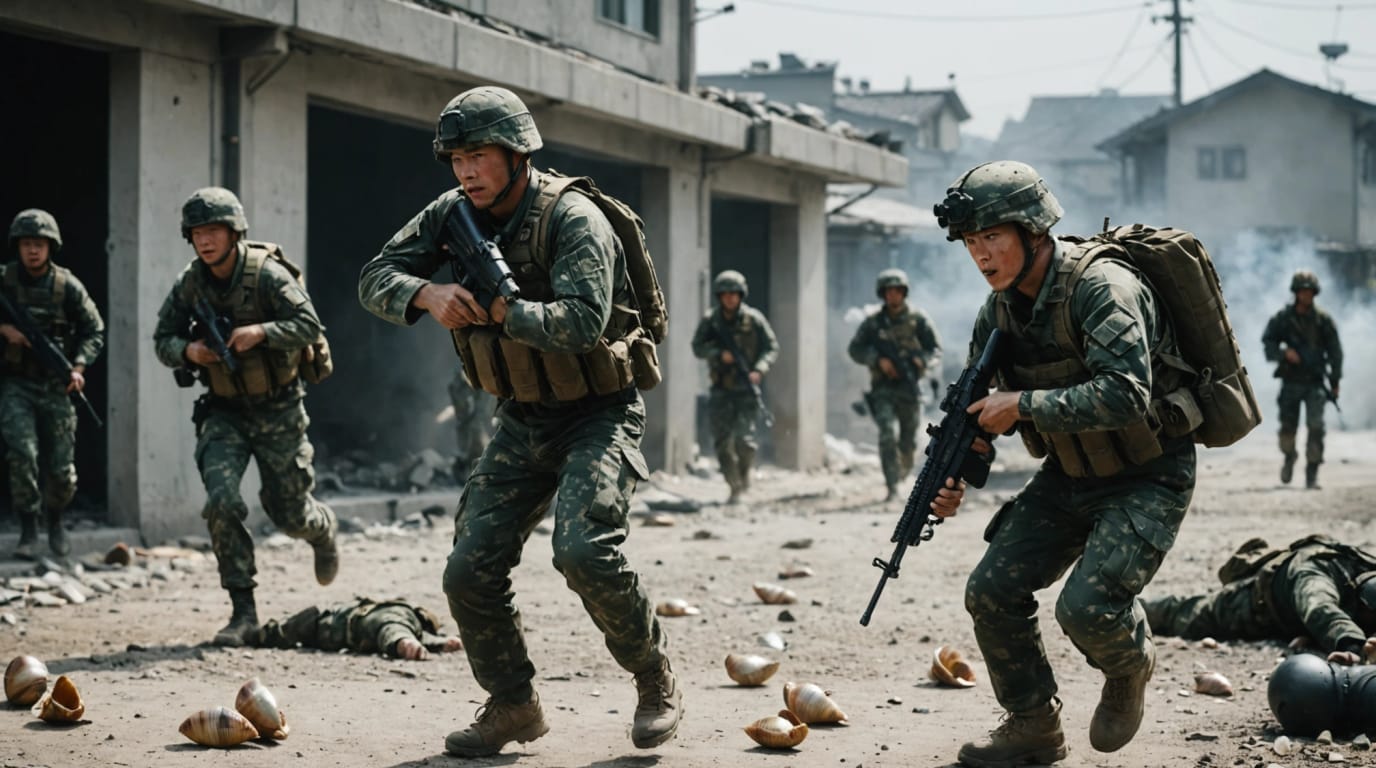
Pocheon, South Korea – At least eight people were injured, four seriously, after a shell struck a civilian area during live-fire military exercises conducted jointly by South Korean and U.S. forces in Pocheon on Thursday. The incident, which also damaged homes and a church, has prompted an investigation into the cause of the misfire.
The incident occurred during joint live-fire exercises, the first of which were linked to annual military drills scheduled to begin next week. Pocheon, located approximately 40 kilometers (25 miles) northeast of Seoul, lies near the heavily militarized border with North Korea. The proximity of the training area to civilian populations has raised concerns about safety protocols and the potential for future incidents.
Details of the Incident
According to fire officials, the shell landed in a populated area, causing significant damage to residences and a church. Gyeonggi-do Bukbu Fire Services reported that of the eight individuals injured, four sustained serious wounds. Emergency responders were dispatched to the scene to provide medical assistance and assess the extent of the damage.
Photographs from the scene, shared by news agency News1, depict a severely damaged house with debris scattered across the surrounding area. The images highlight the destructive power of the misfired shell and the potential for even greater harm.
Investigation Underway
Fire officials suspect the shell originated from the ongoing live-fire exercises. While details regarding the specific type of shell remain unclear, authorities are investigating the possibility of a misfire from a fighter jet involved in the drills. South Korea's air force confirmed that an explosive was misfired.
South Korea's defense ministry has yet to release an official statement regarding the incident. The lack of immediate comment has fueled public anxiety and calls for greater transparency in military training operations.
Impact on U.S.-South Korea Military Drills
The joint military exercises between South Korea and the United States are a routine display of force intended to deter aggression from North Korea. These drills, which involve thousands of troops and advanced military equipment, have historically been a source of tension with Pyongyang, which views them as rehearsals for invasion.
This incident could potentially impact future joint military exercises. Increased scrutiny of safety measures and training protocols is expected, and there may be calls to relocate training grounds further away from civilian areas. The incident also comes at a sensitive time, as diplomatic efforts to denuclearize the Korean Peninsula remain stalled. Any disruption to the U.S.-South Korea alliance could be perceived as a sign of weakness by North Korea.
Community Response and Concerns
The local community in Pocheon has expressed shock and concern following the incident. Residents are demanding answers from the military and assurances that such an event will not happen again. The damage to homes and a church has left many feeling vulnerable and questioning the safety of living near a military training area.
Local officials are working to provide support to those affected, including temporary housing and financial assistance for repairs. However, the long-term impact on the community's sense of security remains a significant concern.
Broader Implications for Military Training
The accidental shelling in Pocheon raises broader questions about the risks associated with live-fire military exercises, particularly in close proximity to civilian populations. Military forces around the world face the challenge of balancing the need for realistic training with the imperative to protect civilian lives and property.
This incident may prompt a review of safety protocols and risk assessment procedures for military training exercises globally. The use of advanced technology, such as virtual reality simulations, could offer a way to reduce the reliance on live-fire exercises and minimize the potential for accidents.
Conclusion
The misfired shell in Pocheon serves as a stark reminder of the potential dangers inherent in military training operations. While joint military exercises between South Korea and the U.S. are considered vital for maintaining regional security, this incident underscores the need for constant vigilance and a commitment to ensuring the safety of civilian populations. As investigations continue, the focus will be on preventing future accidents and restoring the community's trust in the military's ability to protect them.


