Shifting Plates: Germany Rethinks Its Tradition of Meat and Sausages
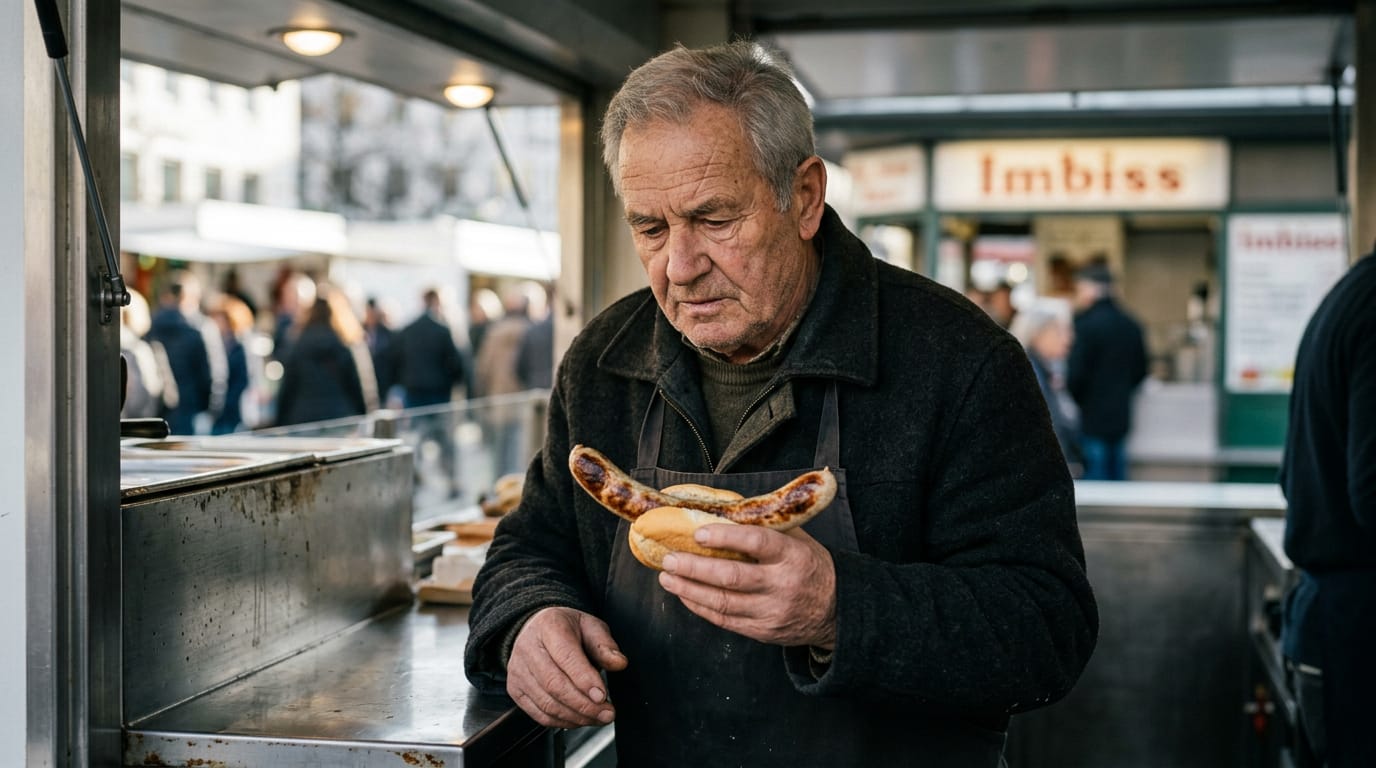
BERLIN — For centuries, hearty bratwurst, roast pork, and schnitzel have served as bedrock symbols of German culinary heritage. Yet a quiet transformation is unfolding on dinner tables, beer gardens, and supermarket shelves across the nation. Official statistics reveal that Germans are consuming less meat than ever before, driven by an expanding plant-based market, rising health consciousness, and intensifying concern over animal welfare and climate change.
The trend is not merely a passing dietary fad. Data from the Federal Information Centre for Agriculture shows that annual per capita meat consumption has tumbled to around 51.6 kilograms. That figure marks the lowest level recorded since nationwide tracking began in 1989. In just under a decade, the average resident has cut annual meat intake by roughly ten kilograms, representing one of the swiftest culinary shifts in Western Europe.
A Historic Decline in Traditional Staples
The decline in animal protein has been particularly sharp for pork, long the uncontested favorite of German butchers and home cooks. Per capita consumption of pork products, including frankfurters, cold cuts, and roast cuts, has fallen steeply over the past decade. Beef and veal have followed a similar downward trajectory. Only poultry has experienced modest gains, largely because consumers view it as a lighter, less carbon-intensive protein.
Domestic meat production has contracted in tandem with demand. Figures from the Federal Statistical Office, known as Destatis, show consistent year-on-year drops in commercial slaughter volumes, with total output dropping by millions of animals annually. The country's commercial meat processors, while still operating at substantial industrial scales, are facing shrinking domestic margins and shuttering facilities that had operated for generations.
The economic backdrop has accelerated this transition. Elevated food inflation, surging energy costs for livestock facilities, and higher feed prices have driven retail prices higher across meat counters. When faced with tighter household budgets, many shoppers have decided to scale back traditional meat purchases or treat premium cuts as occasional luxuries rather than daily staples.
The Rise of the Flexitarian Consumer
The transformation is not being fueled solely by strict vegans or vegetarians, though their ranks have grown substantially. Industry surveys indicate that roughly one in ten Germans follows a vegetarian diet, with around three to four percent identifying as vegan, placing Germany among Europe’s leaders in plant-only eating.
Instead, the primary engine of change is the rise of the so-called flexitarian. More than half of German adults now describe themselves as flexitarians, individuals who actively choose to limit meat consumption without eliminating it entirely. Rather than serving sausages or schnitzel multiple times a week, these households routinely designate meatless days, substituting pulses, grains, or processed meat alternatives.
Demographics play a decisive role in reshaping consumer habits. Younger adults, urban professionals, and university students demonstrate the highest rates of meat reduction, frequently influencing the shopping habits of older family members. University cafeterias across major cities such as Berlin, Munich, and Cologne have overhauled menus, with many campus dining halls now dedicating four-fifths of their daily offerings to meat-free meals.
Reinventing the Sausage Counter
Rather than fighting the trend, Germany’s major food manufacturers and traditional meat producers are aggressively pivoting toward the alternative protein sector. Well-established family-owned butcher firms, some dating back to the nineteenth century, have restructured production lines to craft vegetarian and vegan sausages, cold cuts, and burger patties. Several prominent brands now report higher sales volumes and revenues from their meatless product portfolios than from their traditional animal-based offerings.
Supermarket chains have responded by allocating premium shelf space to plant-based products. German retailers, from high-end grocers to budget discounters, stock extensive private-label lines of soy, pea, and wheat protein substitutes. Fast-food chains operating within Germany have also expanded plant-based menus at a pace faster than their operations in neighboring nations, offering vegan currywurst and meatless burger patties as core menu fixtures.
According to national industrial data, the domestic output of meat substitutes has climbed by double-digit percentages across consecutive years. The development has transformed the country into an innovation hub for food technology in Europe, attracting substantial venture capital into fermentation and precision-brewing food enterprises.
Agriculture and Cultural Tensions
The transition has not occurred without friction. Germany’s agricultural lobby has voiced serious concerns regarding the long-term viability of domestic livestock farming. Rural farming associations argue that livestock rearing remains crucial for sustaining soil health through crop rotation, maintaining pastoral landscapes, and supporting rural employment. Rising regulatory standards around animal welfare, coupled with tighter emissions controls, have added financial strain to small and medium-sized family farms.
Cultural debate has also surfaced in regional politics. In conservative heartlands such as Bavaria, where traditional butcher shops and pork dishes are deeply entwined with regional identity and tourism, political figures have periodically resisted government-sponsored vegetarian initiatives. Critics have voiced opposition to institutional quotas or mandatory meat-free days in public schools and administrative offices, asserting that dietary choices must remain an individual prerogative.
At the federal level, policymakers continue to promote climate-friendly diets. The federal agriculture ministry has highlighted food transformation as a cornerstone of national climate targets, emphasizing that agriculture accounts for roughly eight percent of domestic greenhouse gas emissions. Official initiatives emphasize the reduction of food waste, clearer labeling of animal welfare standards, and expanded support for organic farming practices.
A New Chapter for German Cuisine
Germany’s evolving plate does not signal the immediate demise of its storied butcher culture, but it does mark a decisive shift in its status. Traditional wurst and roast pork are increasingly viewed not as everyday necessities, but as cultural specialties enjoyed with greater moderation.
By blending century-old sausage craftsmanship with contemporary plant-based alternatives, the country is forging an adaptable food landscape. While the beloved sausage remains an enduring part of the nation's identity, the modern German appetite is distinctly lighter, more diverse, and unmistakably greener than in generations past.


