Silicon Valley's Indian Tech Workers Brace for Potential H-1B Visa Changes Under Trump
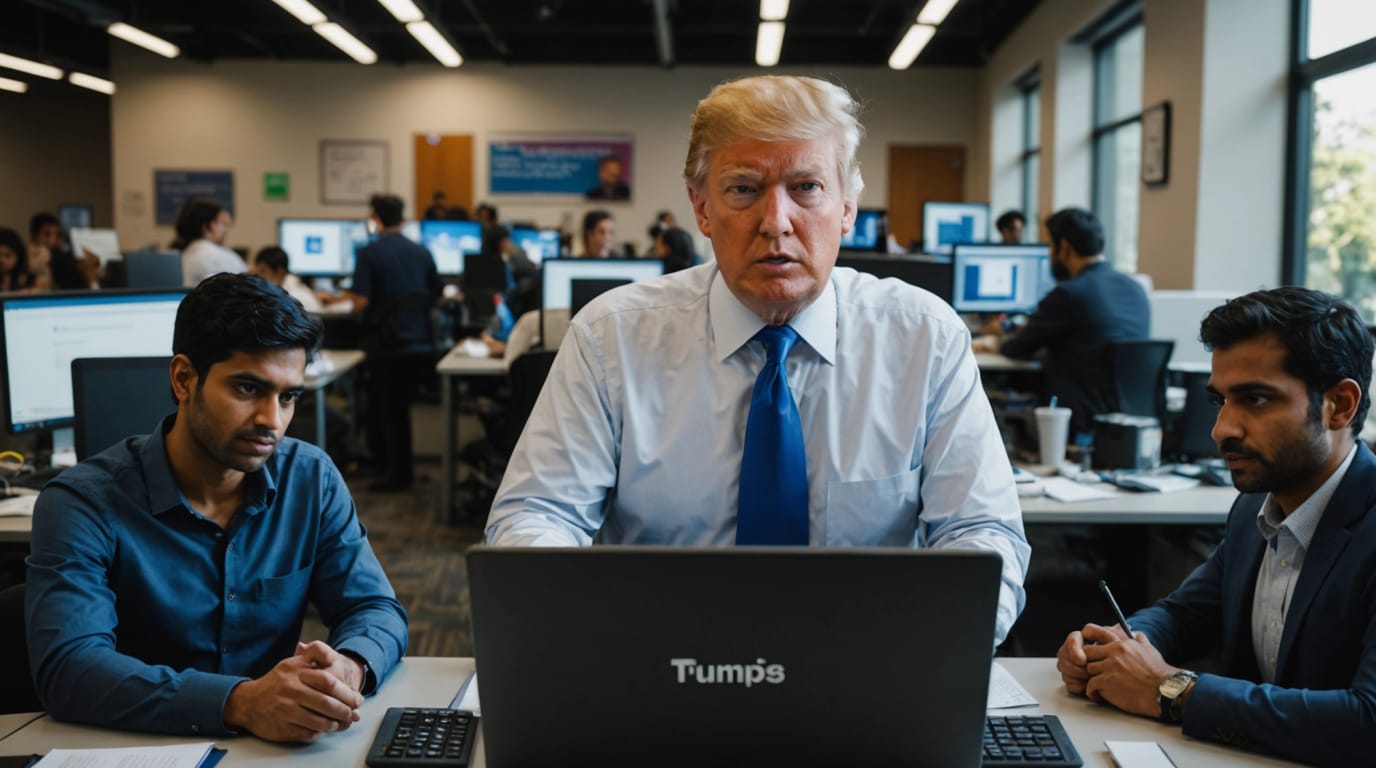
Silicon Valley's Indian tech community is on edge as the possibility of renewed H-1B visa restrictions looms with the return of Donald Trump to the White House. The H-1B visa, a lifeline for skilled foreign workers seeking opportunities in the United States, has become a focal point of uncertainty, leaving many Indian engineers and tech professionals anxious about their future in the country.
The H-1B Visa: A Double-Edged Sword
The H-1B visa program allows U.S. companies to employ foreign workers in specialized occupations that require theoretical or technical expertise. It has been a boon for Silicon Valley, enabling tech giants to tap into a global talent pool and fill critical skill gaps. Indian professionals, who constitute over 70% of all H-1B visa holders, have significantly contributed to the growth and innovation of the U.S. tech sector.
However, the H-1B visa is not without its drawbacks. The annual cap of 65,000 new visas, with an additional 20,000 for those with advanced degrees, creates a highly competitive environment. The selection process, often described as a lottery, leaves many qualified candidates in limbo. Moreover, the visa ties workers to their employers, making them vulnerable to exploitation and less likely to advocate for better working conditions.
Kabir, an engineer from India working at a Silicon Valley startup, exemplifies the anxieties of H-1B visa holders. Fearing repercussions for speaking openly, Kabir requested his name be changed. He expressed concerns about the potential loss of his job and visa status under stricter immigration policies. "We invest in this country, contribute to it, yet securing a work visa remains a struggle," Kabir told DW News. He highlighted the pressure of having only 90 days to find a new job or leave the country if employment is terminated.
Trump's Shifting Stance on Skilled Immigration
During his first presidency, Donald Trump adopted a "Buy American, Hire American" approach, which led to increased scrutiny and restrictions on the H-1B visa program. The administration argued that the program allowed companies to replace American workers with cheaper foreign labor. In 2020, employers were required to pay H-1B holders higher wages, a move intended to discourage the hiring of foreign workers over American citizens.
However, Trump's stance on skilled immigration has appeared to soften more recently. Some speculate that Silicon Valley's powerful executives, who benefit significantly from the H-1B program, may be influencing his policy decisions. Harbir Kaur Bhatia, CEO of the Silicon Valley Central Chamber of Commerce, told DW News that tech industry leaders would "definitely influence Trump's policy decisions on H-1B."
Despite this potential shift, uncertainty remains. Trump's history of unpredictable policy changes leaves many Indian tech workers apprehensive about the future of their careers and lives in the U.S.
Economic Implications for India
The potential tightening of H-1B visa policies carries significant economic implications for India. Remittances from Indian workers in the U.S. constitute a substantial source of income for families back home. In 2023, India received over $100 billion in remittances from the U.S. A decline in H-1B visas could lead to a decrease in these remittances, impacting the Indian economy and the livelihoods of many families.
Moreover, a large influx of returning Indian tech workers could strain the domestic job market. While India's tech industry is growing, it may not be able to absorb the sudden influx of skilled professionals, potentially leading to unemployment or underemployment.
Silicon Valley's Response
Silicon Valley's tech giants have long advocated for the expansion of the H-1B visa program, arguing that it is essential for maintaining their competitive edge. They contend that there is a shortage of qualified American workers in certain specialized fields and that H-1B visas allow them to access the best talent globally.
Elon Musk, a prominent figure in Silicon Valley, has been a vocal supporter of the H-1B visa program. He argued that the U.S. does not produce enough talented and motivated engineers and that the H-1B visa is crucial for attracting the talent needed to build innovative companies like SpaceX and Tesla.
However, critics argue that some companies exploit the H-1B program to drive down wages and replace American workers with cheaper foreign labor. They call for stricter enforcement of regulations and increased investment in training American workers to fill the skills gap.
Navigating an Uncertain Future
As the Trump administration takes shape, Indian tech workers in Silicon Valley find themselves in a state of uncertainty. The potential for stricter H-1B visa policies looms large, threatening their careers and livelihoods. While Silicon Valley's tech giants may attempt to influence policy decisions, the ultimate outcome remains unclear.
For many Indian professionals, the dream of building a life and career in the U.S. is now clouded by anxiety. They face the prospect of navigating a complex and unpredictable immigration system, with the potential for forced departure and economic hardship. The future of Silicon Valley's Indian tech community hangs in the balance, dependent on the policy choices of the new administration.