Slovakia Passes Controversial NGO Law Amidst Widespread Criticism
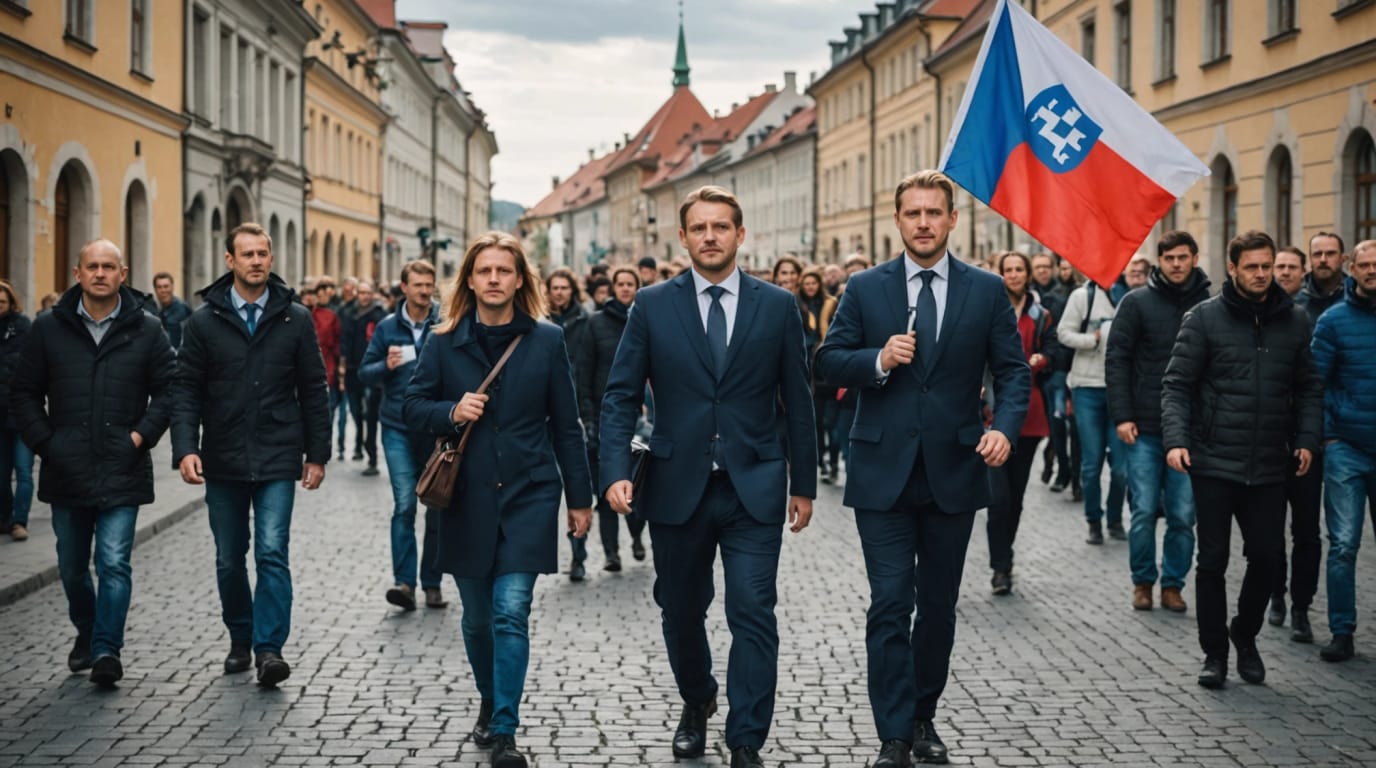
BRATISLAVA, Slovakia – The Slovak Parliament on Wednesday, April 16, 2025, approved legislation targeting non-governmental organizations (NGOs), sparking immediate condemnation from civil society groups, international bodies, and opposition parties. Critics argue the law, championed by populist Prime Minister Robert Fico, mirrors similar legislation in Russia and Hungary and will severely hinder the operations of NGOs, while the government insists it will increase transparency and accountability.
The newly passed law mandates that NGOs receiving over €35,000 annually must submit detailed transparency reports, including information about donors who have contributed more than €5,000 in a year. While proponents claim this measure aims to enhance transparency in the financing and activities of civic groups, opponents contend it will stigmatize and restrict the work of organizations critical of the government. The law's passage follows months of heated debate and public protests, with critics drawing parallels to Russian legislation used to suppress dissent.
Contentious Provisions and Last-Minute Concessions
The legislation has undergone several revisions since its initial proposal. One of the most contentious aspects was a provision that would have automatically classified NGOs as lobbyists, a move that drew strong opposition for its lack of a clear definition of lobbying activities. Lawmakers ultimately removed this provision in a last-minute concession.
Despite this change, concerns remain about the law's potential impact on fundamental rights. An analysis by Via Iuris, a Slovakian nonprofit organization, asserts that the law violates the country's constitution, infringing on the rights to privacy, freedom of expression, and freedom of association, as well as contravening European Union rules.
Echoes of Russia and Hungary
Critics have been quick to draw comparisons between the Slovak law and similar legislation in Russia and Hungary, where governments have used such measures to stifle civil society and consolidate power. Opponents of the law argue that it represents a deliberate attempt to marginalize NGOs that challenge government policies and advocate for human rights, environmental protection, and other causes.
Lucia Stasselová, from the initiative Peace for Ukraine, described the legislation as "a tool to systemically dismantle civil society," echoing concerns that it could lead to the repression of independent organizations and the silencing of dissenting voices. Amnesty International has also condemned the bill, calling it a "full-frontal assault on civil society" and a near carbon copy of Hungary's NGO law.
Government's Rationale and Defense
Prime Minister Fico and his government have defended the law, arguing that it is necessary to increase transparency and public trust in NGOs. They reject claims that the legislation is inspired by Russian or Hungarian models, asserting that it is a "European law" designed to ensure accountability.
MEP Katarína Roth Neveďalová, from Fico's Smer party, dismissed the protests as "political theater" and insisted that the law is not intended to suppress anything. Government officials maintain that the legislation will not prevent NGOs from operating and that it is simply aimed at providing greater clarity about their funding sources and activities.
International Concerns and EU Response
The passage of the NGO law has raised concerns within the European Union and among international human rights organizations. Michael O'Flaherty, the Council of Europe Commissioner for Human Rights, has urged Slovakian parliamentary leaders to reconsider the legislation, warning that it could be incompatible with EU law and undermine the right to freedom of association.
The European Commission has also expressed concerns about the law's potential impact on civil society and has warned Slovakia that it could face legal action if the government proceeds with measures that violate EU rules. The EU has emphasized the importance of protecting the independence and freedom of NGOs, which play a vital role in promoting democracy, human rights, and the rule of law.
Impact on Slovak Civil Society
The new law is expected to have a significant impact on the NGO sector in Slovakia, particularly on organizations that rely on foreign funding. The increased administrative burden and potential for stigmatization could deter donors and make it more difficult for NGOs to carry out their work.
Some organizations may be forced to scale back their operations or even shut down altogether, while others may face increased scrutiny and pressure from the government. The law could also have a chilling effect on civil society as a whole, discouraging individuals and organizations from speaking out on issues of public concern.
A Divided Society
The controversy surrounding the NGO law reflects a broader divide in Slovak society between those who support Fico's populist government and those who fear that it is undermining democratic institutions and values. The protests against the law have drawn thousands of participants, demonstrating the strength of opposition to the government's policies.
However, Fico and his allies remain popular among a significant segment of the population, particularly in rural areas and among older voters. The government's focus on national sovereignty, traditional values, and social welfare resonates with many Slovaks who feel left behind by globalization and European integration.
The Future of NGOs in Slovakia
The future of NGOs in Slovakia remains uncertain in the wake of the new law. While some organizations may find ways to adapt and continue their work, others may struggle to survive in a more restrictive environment. The law's impact will depend in part on how it is implemented and enforced by the government.
It will also depend on the resilience and determination of Slovak civil society, which has a long history of activism and resistance to authoritarianism. Despite the challenges they face, many NGOs remain committed to defending democratic values and promoting a more just and equitable society.
The passage of the NGO law marks a significant turning point for Slovakia, raising concerns about the future of democracy and civil society in the country. As the law takes effect, it will be crucial to monitor its impact and to ensure that NGOs are able to continue their vital work without undue interference or harassment. The coming months will be a critical test of Slovakia's commitment to human rights, the rule of law, and the values of the European Union.


