Somali Pirates Seize Cargo Ship Amidst Alarming Resurgence of Maritime Attacks
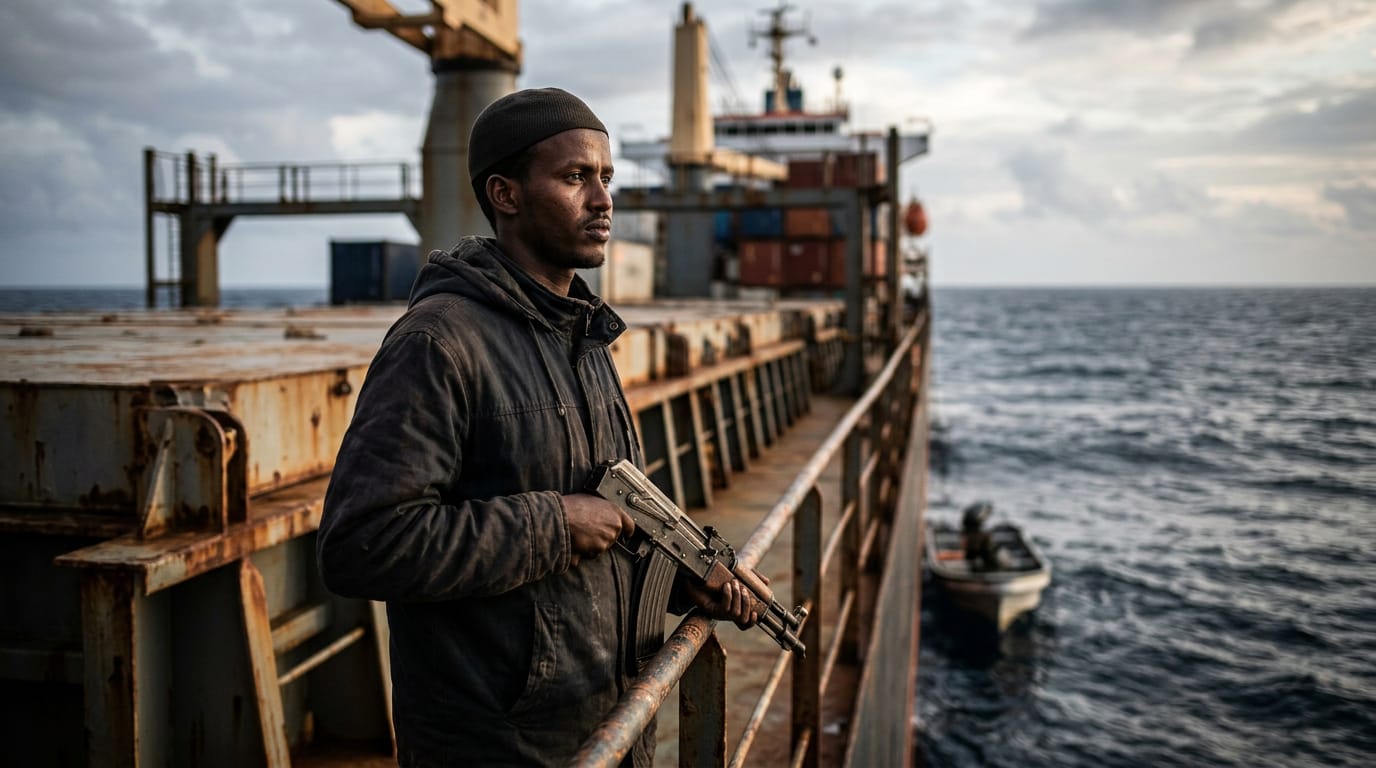
Mogadishu, Somalia – In a stark reminder of the persistent threats to global maritime trade, pirates off the coast of Somalia have seized a commercial cargo ship, the Lutuf, on Monday, August 17, 2026. This incident marks the latest in a troubling wave of renewed piracy in the Horn of Africa, raising serious concerns for international shipping and security efforts that had largely curbed such activities over the past decade. The seizure, occurring just 4.5 nautical miles south of Maraya, underscores the escalating challenges faced by naval forces and shipping companies navigating these vital waters.
The Lutuf Hijacking: A Detailed Account
The cargo vessel Lutuf was reportedly boarded by at least eight armed individuals at approximately 11:36 UTC on Monday. The pirates swiftly took control of the ship, which was navigating close to the southern Somali coastline near Maraya. Initial reports from the ship's company security officer to the UK Maritime Trade Operations (UKMTO) and the EU's Maritime Security Centre Indian Ocean (MSCIO) confirmed the boarding and subsequent takeover. Fortunately, the crew of the Lutuf has been reported safe, though their exact status was initially unconfirmed by some sources investigating the incident.
EUNAVFOR Operation ATALANTA, the European Union's naval force deployed to combat piracy off the coast of Somalia, is actively investigating and monitoring the situation. Given that the incident occurred within Somalia's territorial waters, international maritime security groups are coordinating closely with local authorities to manage the crisis. This collaborative approach is critical in addressing maritime threats that often originate from and impact sovereign territories.
A Troubling Resurgence: From Decline to Renewed Threat
The hijacking of the Lutuf is not an isolated event but rather the fifth such incident involving merchant vessels off Somalia since April of this year. This recent surge signals a disturbing return of opportunistic pirate activity in a region where such incidents had seen a dramatic decline. Piracy off the Somali coast reached its peak around 2011, when international naval deployments and improved security measures by commercial shipping companies significantly reduced successful attacks. However, the relative calm appears to be eroding.
Adding to the gravity of the situation, four other commercial ships – the MT Honour 25, Sward, Eureka, and Asna – remain under pirate control, with their crews having been held captive for approximately four months. The plight of these seafarers highlights the severe human cost of piracy. Pakistan, for instance, has ten of its citizens among the seventeen crew members held aboard the tanker Honour. Pakistani Deputy Prime Minister and Foreign Minister Ishaq Dar has reportedly intensified diplomatic engagement with Somali authorities, international organizations, and other partners to secure their release. Negotiations for the release of these crews are complicated by several factors, including reports of infighting among the pirate groups holding them. Furthermore, the Honour carries "very highly explosive cargo," which makes any law enforcement operation to free the hostages exceptionally dangerous, according to a spokesperson from Pakistan's Foreign Office. Egypt is also engaging in diplomatic efforts for its citizens held captive.
The historical roots of Somali piracy trace back to the early 2000s, initially targeting local fishing vessels. However, this activity rapidly escalated and expanded to international shipping during Somalia's prolonged internal conflict from 2006 to 2009. Factors contributing to this resurgence are complex, often cited as including continued instability in Somalia, the presence of illegal foreign fishing vessels in Somali waters, and potentially a reduction in international naval patrols over time.
Regional and International Countermeasures
In response to the escalating threat, member states of the Djibouti Code of Conduct (DCoC), an agreement sponsored by the International Maritime Organization (IMO) to combat piracy and armed robbery against ships in the Western Indian Ocean and Gulf of Aden, are taking decisive action. They have initiated a new security task force aimed at enhancing regional cooperation and maritime security efforts. This initiative reflects a collective recognition of the need for renewed vigilance and coordinated action to safeguard one of the world's most critical shipping lanes.
International naval forces, including EUNAVFOR Operation ATALANTA, continue their presence in the region, conducting patrols, monitoring suspicious activities, and responding to distress calls. Their efforts are crucial in deterring attacks and providing rapid assistance to vessels under threat. However, the vast expanse of the Indian Ocean and the adaptability of pirate groups present ongoing challenges to even the most robust security operations.
Implications for Global Maritime Security
The resurgence of piracy off Somalia carries significant implications for global maritime security and trade. Shipping companies may face increased insurance premiums, higher operational costs due to rerouting or increased security measures, and delays in cargo delivery. More critically, the safety and well-being of seafarers remain paramount. The psychological toll on crews operating in high-risk areas, coupled with the potential for prolonged captivity and violence, underscores the urgent need for effective countermeasures.
The current situation highlights a delicate balance between maintaining international security presence and empowering local authorities to secure their territorial waters. The complexities of engaging with local Somali authorities, dealing with the fragmented nature of pirate groups, and managing high-stakes hostage negotiations demand a multifaceted approach involving military, diplomatic, and humanitarian efforts.
Conclusion
The seizure of the Lutuf serves as a stark reminder that while piracy off Somalia may have receded from global headlines for a time, the underlying conditions that fuel it persist. The recent uptick in hijackings necessitates a renewed and sustained international commitment to maritime security in the region. Without comprehensive strategies that address both the symptoms and root causes of piracy, including economic development, governance, and effective law enforcement on land and at sea, the waters off the Horn of Africa will continue to pose a significant and unpredictable threat to global commerce and the lives of those who navigate its routes.