Sonic Weapon Allegations Rock Belgrade Protests
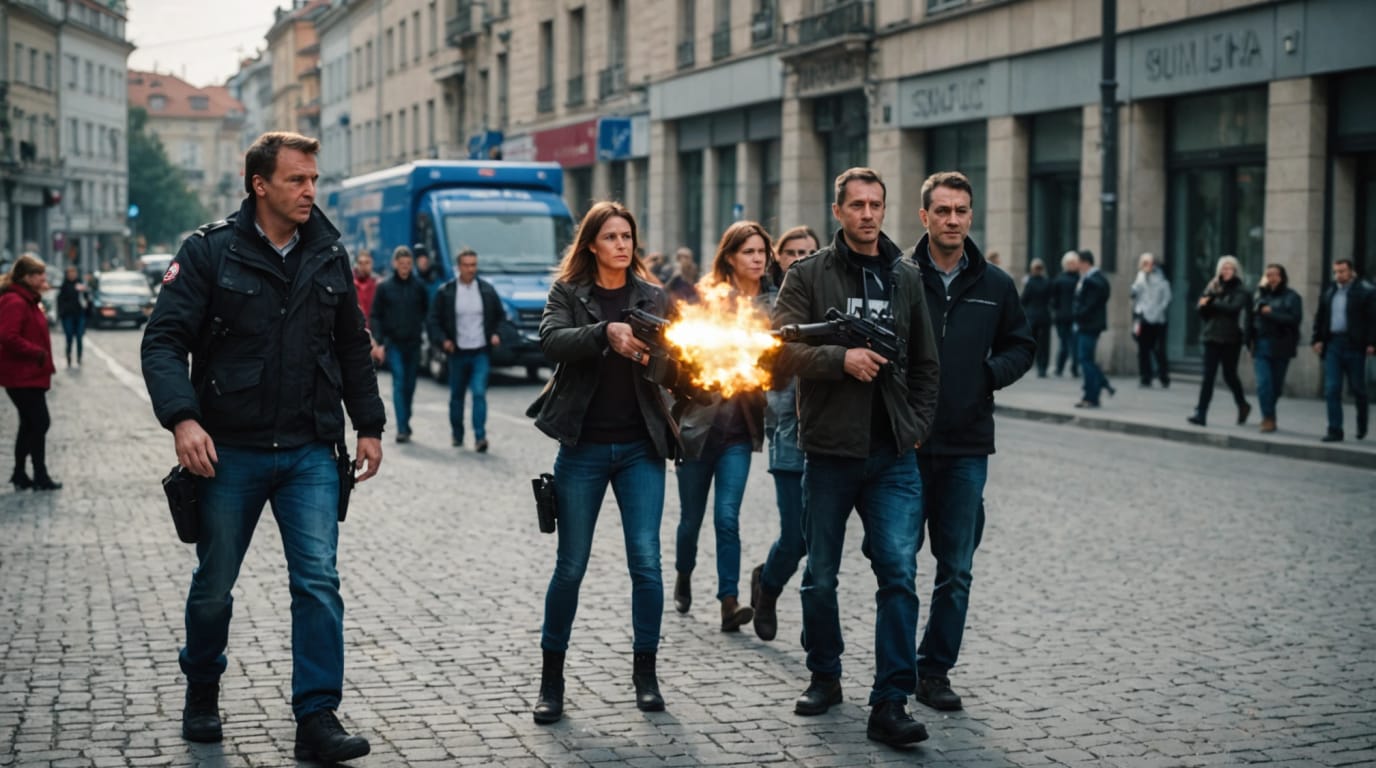
BELGRADE, Serbia – A massive anti-government protest in Belgrade has ignited a fierce debate over whether Serbian authorities deployed a sonic weapon to disperse demonstrators. The incident, which occurred during a silent vigil on Saturday, has drawn condemnation from opposition groups and human rights organizations, while government officials vehemently deny the allegations.
Chaos During Silent Vigil
The controversy erupted during a demonstration that drew over 100,000 people to the streets of Belgrade. The protesters were observing 15 minutes of silence to commemorate the 15 victims of a train station collapse in Novi Sad last November, an event that has fueled widespread anger over alleged government corruption. Witnesses reported a sudden, piercing noise that triggered panic and a rush for cover, leading to injuries as people scrambled to escape.
Accounts from protesters describe the sound as deeply unsettling, with some comparing it to an approaching aircraft or train. The suddenness and intensity of the noise reportedly caused disorientation and fear, leading many to believe they were under attack.
Sonic Weapon Suspicions
Following the incident, allegations surfaced that Serbian security forces had used a Long-Range Acoustic Device (LRAD), commonly known as a sonic weapon, to disrupt the protest. Military analyst Aleksandar Radic told N1 TV that the sound was likely caused by the deployment of an LRAD, a device he claims Serbian forces have possessed since 2022. Radic noted that the use of such a weapon is not legally regulated in Serbia.
LRADs are designed to emit high-frequency sound waves over long distances, capable of causing pain, disorientation, and even permanent hearing damage. While often marketed as non-lethal crowd control devices, their use has raised concerns about potential human rights violations.
The Belgrade Centre for Security Policy, a non-governmental organization, condemned what it called "the unlawful and inhumane deployment of prohibited weapons, such as acoustic devices, against peaceful protesters." The organization demanded a thorough investigation into the incident.
Government Denials and Counter-Accusations
Serbian officials have strongly denied the use of a sonic weapon during the protest. President Aleksandar Vucic dismissed the allegations as "shameful" and a "vile lie" aimed at destabilizing the country. He praised security forces for maintaining order and insisted that the protest was handled peacefully.
The Serbian Interior and Defense ministries also denied deploying an acoustic device. The Emergency Center at the Belgrade Clinical Center issued a statement denying reports that individuals sought medical treatment due to the alleged use of a sonic weapon.
Vucic has accused the protesters of fabricating the incident, claiming they sent activists to hospitals to feign symptoms of sonic weapon exposure.
Calls for Investigation
Despite the government's denials, opposition parties and rights groups are demanding an independent investigation into the events of Saturday. Several opposition leaders have announced plans to file criminal charges against those responsible for deploying the alleged sonic weapon.
An online petition demanding an independent investigation has garnered over half a million signatures. The petition calls for a comprehensive examination of the medical, legal, and technical aspects of the incident's impact on health and human rights.
The University of Belgrade and student protest leaders have also joined the call for an investigation, accusing authorities of attacking peaceful demonstrators.
International Implications
The allegations of sonic weapon use have drawn international attention, raising concerns about human rights and the rule of law in Serbia. Some observers have noted that the incident occurred amid ongoing protests sparked by the Novi Sad train station collapse, which has amplified existing grievances about government corruption and lack of accountability.
Serbia's relationship with Russia has also come under scrutiny, with some noting Vucic's refusal to join Western sanctions against Moscow following the invasion of Ukraine.
Sonic Weapons: A Contentious Tool
The use of sonic weapons in crowd control remains a contentious issue. Proponents argue that they provide a non-lethal means of dispersing crowds and maintaining order. However, critics argue that they can cause serious harm and violate fundamental rights.
Jennifer Parker, an expert associate at the ANU National Security College, explained that sonic weapons use sound to injure or incapacitate, either through specific frequencies or extreme loudness. She noted that while LRADs are used by police and militaries worldwide, they are not typically used in a harmful manner.
Physicians for Human Rights, a U.S.-based nonprofit, has expressed "significant concerns about the high potential of acoustic weapons to cause serious and permanent injury," including hearing loss.
Uncertainty and Ongoing Debate
As of March 18, 2025, the question of whether Serbian authorities used a sonic weapon against protesters in Belgrade remains unresolved. The conflicting accounts and lack of independent verification have fueled uncertainty and deepened divisions within Serbian society.
The calls for an independent investigation are growing louder, and the outcome of any such inquiry could have significant implications for the future of protests and the relationship between the government and its citizens. The incident serves as a reminder of the potential dangers of crowd control technologies and the importance of transparency and accountability in their use.


