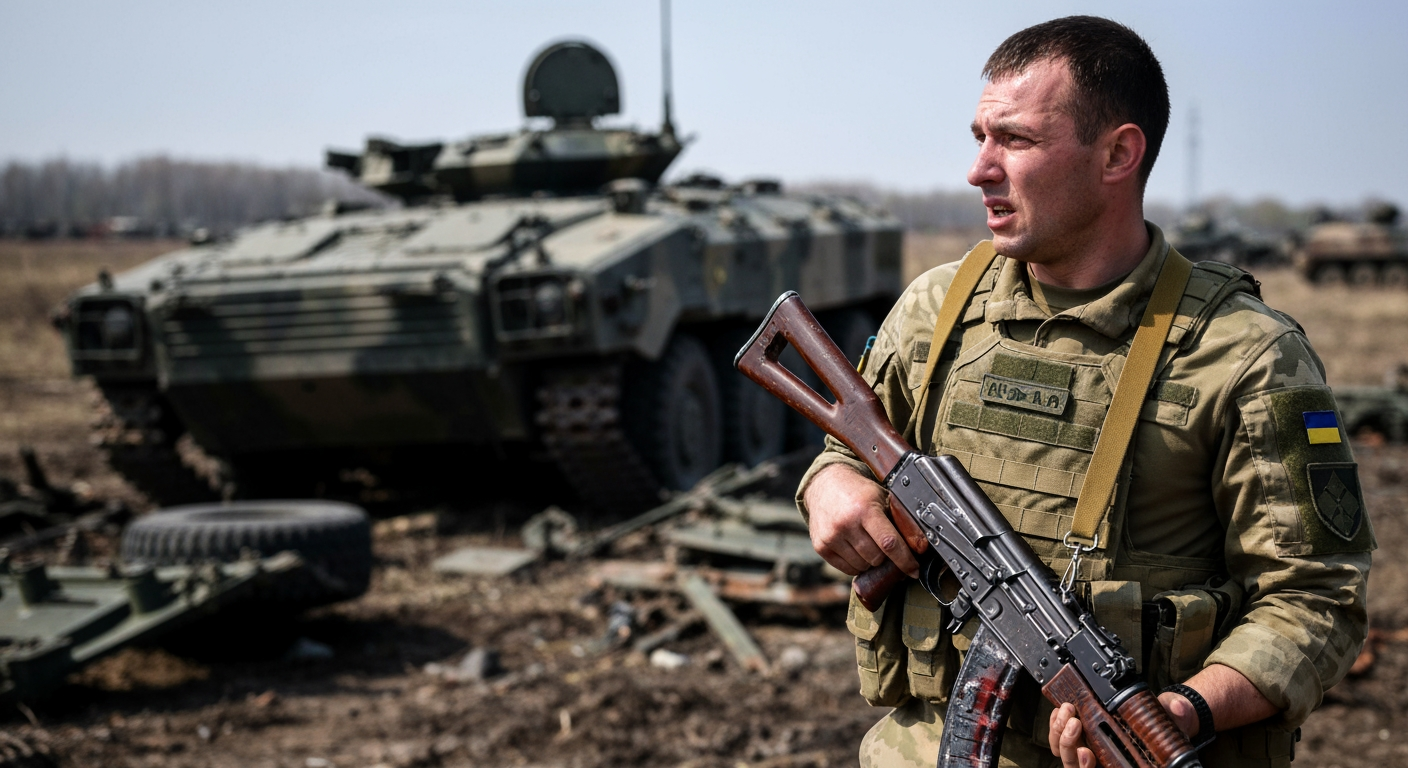
South Africa Braces for Escalating Anti-Migrant Tensions as Protests Loom

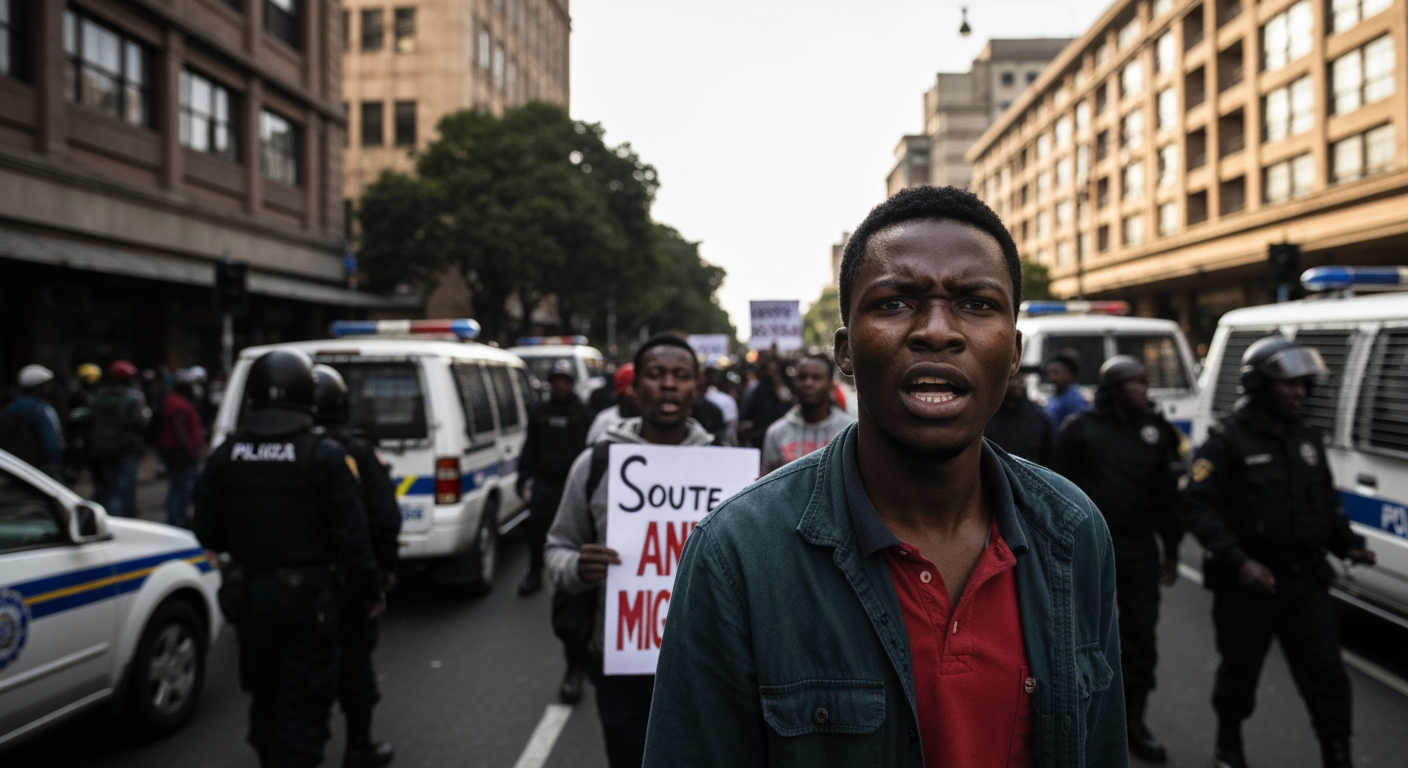
South Africa Braces for Escalating Anti-Migrant Tensions as Protests Loom
JOHANNESBURG – South Africa is on high alert as anti-migrant groups prepare for a series of nationwide protests, culminating in a looming deadline on June 30 for undocumented foreign nationals to leave the country. The demonstrations, spearheaded by movements such as "March and March" and "United South Africa," have ignited widespread concerns of xenophobic violence, prompting President Cyril Ramaphosa to issue stern warnings against vigilantism and pledge a robust response from security forces. The heightened tensions underscore a deeply rooted and complex issue, fueled by socio-economic frustrations and a history of xenophobia that continues to challenge the nation's fabric.
The Brewing Storm: Ultimatum and Mobilization
The planned anti-migrant rallies, particularly those organized by the "March and March" movement, have called for a nationwide shutdown if undocumented foreigners do not depart by the self-imposed June 30 deadline. This ultimatum, though deemed unlawful and unenforceable by the government, has amplified anxieties among migrant communities across the country. Organizations like "Operation Dudula," which translates to "force out" in isiZulu, have been a significant force behind this mobilization, advocating for the expulsion of undocumented immigrants and promoting the "Put South Africans First" agenda. These groups frequently assert that foreign nationals are usurping jobs, overstraining public services like hospitals and schools, and are responsible for elevated crime rates, including drug dealing.
However, the statistical reality often diverges from these perceptions. A 2023 national statistics office survey indicated that migrants constitute approximately 4.1% of South Africa's population, a figure notably lower than many developed nations. Furthermore, claims linking immigrants disproportionately to crime lack factual substantiation, despite often being propagated by politicians and public figures. The current surge in anti-migrant demonstrations marks a continuation of a pattern observed since 2022, with the KwaZulu-Natal and Gauteng provinces, long-standing epicenters of anti-migrant activism, seeing significant activity, along with expansion into other regions like the Western Cape.
Echoes of the Past: A Troubled History of Xenophobia
Xenophobia is not a new phenomenon in post-apartheid South Africa; it has been a persistent and often violent feature since 1994, manifesting in numerous attacks, displacements, and fatalities. Historically, outbreaks of anti-foreigner sentiment have coincided with periods of significant socio-economic stress. Major spikes in xenophobic violence were recorded in 2008, resulting in at least 62 deaths, and again in 2015, which prompted several foreign governments to repatriate their citizens. More recently, since 2022, ACLED records indicate at least 148 fatalities in targeted attacks on migrants by state forces, violent mobs, or unidentified perpetrators.
The roots of this resentment are complex and deeply intertwined with the country's socio-economic landscape. High unemployment rates, pervasive poverty, and stark inequalities are often cited as primary drivers. With a significant portion of the population struggling to meet basic needs, frustration frequently escalates and is directed towards "outsiders" who are perceived as competitors for scarce resources and job opportunities. Foreign nationals, particularly those engaged in small retail businesses like spaza shops, sometimes face tension with local entrepreneurs who feel pressured by competition. This scapegoating occurs despite migrants often contributing to the economy and being willing to undertake jobs that South Africans may refuse.
Government's Stance and Security Preparations
In response to the escalating tensions, President Cyril Ramaphosa has unequivocally stated that there is "no place for xenophobia" in South Africa and that immigration enforcement remains the sole responsibility of the state. He has unveiled a comprehensive immigration management plan, structured around five key pillars. These include intensified law enforcement against immigration and labor violations, strengthened border security, reforms to the immigration and asylum system, legal and regulatory changes, and enhanced cooperation with other African countries. As part of this plan, enforcement agencies are increasing efforts to identify and deport undocumented foreign nationals, stepping up inspections of employers, and establishing dedicated immigration courts to streamline cases.
Furthermore, the South African Police Service (SAPS) has placed security forces on high alert, identifying potential hotspots and deploying specialized units, particularly in Gauteng and KwaZulu-Natal, to maintain order ahead of the June 30 deadline. Acting Police Minister Firoz Cachalia has affirmed that any unlawful conduct, intimidation, or violence will be met with a firm response. President Ramaphosa emphasized that his government "will not tolerate any attempts to destabilize the country by anyone, whether marching or otherwise," and warned that those who transgress will face the full might of the law.
Human Impact and Economic Reverberations
The climate of fear generated by these anti-migrant sentiments has already forced thousands of foreign Africans to seek voluntary repatriation to their home countries, including Ghana, Malawi, Mozambique, and Nigeria. Makeshift camps have emerged in cities like Durban and Johannesburg as individuals await transport, prompting aid organizations to highlight a deepening humanitarian crisis. Migrants, whether documented or not, frequently encounter significant challenges, including discrimination, exploitation, and difficulties accessing essential services, further exacerbated by uncertain legal status. Migrant women, in particular, face triple discrimination stemming from xenophobia, racism, and misogyny, rendering them highly vulnerable to sexual violence, forced labor, and abuse.
Beyond the immediate human suffering, xenophobic attacks cast a long shadow over South Africa's economy. Such incidents lead to the closure and looting of foreign-owned businesses, displacing families, and increasing unemployment. Research indicates that xenophobia discourages foreign direct investment, tarnishes the country's international image, and hinders economic growth. While migrants contribute to economic development, their potential is often curtailed by the prevailing hostility. Business Unity South Africa has cautioned that instability could damage investor confidence and impede economic recovery, advocating for dialogue and restraint.
Seeking a Path Forward
The recurring cycle of anti-migrant protests and violence underscores South Africa's persistent struggle to reconcile its democratic ideals with deep-seated socio-economic grievances. While the government asserts its commitment to addressing illegal immigration through legal channels and ensuring stability, civil society organizations, such as the Siyafana Sonke Action Campaign, continue to advocate for stronger government action to protect migrant communities and provide humanitarian support to those displaced by violence. The challenge lies not only in enforcing immigration laws but also in addressing the underlying issues of unemployment, inequality, and poverty that fuel public frustration and xenophobic sentiment. A sustained, multi-faceted approach combining law enforcement, policy reform, regional cooperation, and public education is imperative to foster social cohesion and prevent further escalation of violence in a nation still grappling with the legacies of its past.word# South Africa Braces for Escalating Anti-Migrant Tensions as Protests Loom
JOHANNESBURG – South Africa is on high alert as anti-migrant groups prepare for a series of nationwide protests, culminating in a looming deadline on June 30 for undocumented foreign nationals to leave the country. The demonstrations, spearheaded by movements such as "March and March" and "United South Africa," have ignited widespread concerns of xenophobic violence, prompting President Cyril Ramaphosa to issue stern warnings against vigilantism and pledge a robust response from security forces. The heightened tensions underscore a deeply rooted and complex issue, fueled by socio-economic frustrations and a history of xenophobia that continues to challenge the nation's fabric.
The Brewing Storm: Ultimatum and Mobilization
The planned anti-migrant rallies, particularly those organized by the "March and March" movement and other anti-immigration groups, have called for a nationwide shutdown if undocumented foreigners do not depart by the self-imposed June 30 deadline. This ultimatum, though deemed unlawful and unenforceable by the government, has amplified anxieties among migrant communities across the country. Organizations like "Operation Dudula," which translates to "force out" in isiZulu, have been a significant force behind this mobilization, advocating for the expulsion of undocumented immigrants and promoting the "Put South Africans First" agenda. These groups frequently assert that foreign nationals are usurping jobs, overstraining public services like hospitals and schools, and are responsible for elevated crime rates, including drug dealing. Leaders of these movements, such as Musa Hlongwa of United South Africa, have voiced sentiments that South Africans are fatigued by issues such as overcrowded hospitals, competition for public school access, and job scarcity, while also accusing foreign nationals of involvement in drug dealing.
However, the statistical reality often diverges from these perceptions. A national statistics office survey in 2023 indicated that migrants constitute approximately 4.1% of South Africa's population, a figure notably lower than many developed nations. Furthermore, claims linking immigrants disproportionately to crime lack factual substantiation, despite often being propagated by politicians and public figures. The current surge in anti-migrant demonstrations marks a continuation of a pattern observed since 2022, with the KwaZulu-Natal and Gauteng provinces, long-standing epicenters of anti-migrant activism, seeing significant activity, along with expansion into other regions like the Western Cape.
Echoes of the Past: A Troubled History of Xenophobia
Xenophobia is not a new phenomenon in post-apartheid South Africa; it has been a persistent and often violent feature since 1994, manifesting in numerous attacks, displacements, and fatalities. Historically, outbreaks of anti-foreigner sentiment have coincided with periods of significant socio-economic stress. Major spikes in xenophobic violence were recorded in 2008, resulting in at least 62 deaths, and again in 2015, which prompted several foreign governments to repatriate their citizens. More recently, since 2022, ACLED records indicate at least 148 fatalities in targeted attacks on migrants by state forces, violent mobs, or unidentified perpetrators.
The roots of this resentment are complex and deeply intertwined with the country's socio-economic landscape. High unemployment rates, pervasive poverty, and stark inequalities are often cited as primary drivers. With a significant portion of the population struggling to meet basic needs, frustration frequently escalates and is directed towards "outsiders" who are perceived as competitors for scarce resources and job opportunities. Foreign nationals, particularly those engaged in small retail businesses like spaza shops, sometimes face tension with local entrepreneurs who feel pressured by competition. This scapegoating occurs despite migrants often contributing to the economy and being willing to undertake jobs that South Africans may refuse. Economists note that chronic underinvestment and corruption are primarily responsible for struggling health and education services, not immigrants.
Government's Stance and Security Preparations
In response to the escalating tensions, President Cyril Ramaphosa has unequivocally stated that there is "no place for xenophobia" in South Africa and that immigration enforcement remains the sole responsibility of the state. He has unveiled a comprehensive immigration management plan, structured around five key pillars. These include intensified law enforcement against immigration and labor violations, strengthened border security, reforms to the immigration and asylum system, legal and regulatory changes, and enhanced cooperation with other African countries. As part of this plan, enforcement agencies are increasing efforts to identify and deport undocumented foreign nationals, stepping up inspections of employers, and establishing dedicated immigration courts to streamline cases. In the past year alone, the Border Management Authority intercepted more than 450,000 people attempting to enter South Africa illegally.
Furthermore, the South African Police Service (SAPS) has placed security forces on high alert, identifying potential hotspots and deploying specialized units, particularly in Gauteng and KwaZulu-Natal, to maintain order ahead of the June 30 deadline. Acting Police Minister Firoz Cachalia has affirmed that any unlawful conduct, intimidation, or violence will be met with a firm response. President Ramaphosa emphasized that his government "will not tolerate any attempts to destabilize the country by anyone, whether marching or otherwise," and warned that those who transgress will face the full might of the law.
Human Impact and Economic Reverberations
The climate of fear generated by these anti-migrant sentiments has already forced thousands of foreign Africans to seek voluntary repatriation to their home countries, including Ghana, Malawi, Mozambique, and Nigeria. Makeshift camps have emerged in cities like Durban and Johannesburg as individuals await transport, prompting aid organizations to highlight a deepening humanitarian crisis. Migrants, whether documented or not, frequently encounter significant challenges, including discrimination, exploitation, and difficulties accessing essential services, further exacerbated by uncertain legal status. Migrant women, in particular, face triple discrimination stemming from xenophobia, racism, and misogyny, rendering them highly vulnerable to sexual violence, forced labor, and abuse.
Beyond the immediate human suffering, xenophobic attacks cast a long shadow over South Africa's economy. Such incidents lead to the closure and looting of foreign-owned businesses, displacing families, and increasing unemployment. Researchers from the African Centre for Migration & Society (ACMS) warn that anti-migrant sentiment could damage the country's economy, international reputation, and constitutional democracy. Efforts to exclude migrants could lead to serious economic consequences, including the loss of an informal trade economy estimated at a billion dollars a year in Johannesburg alone. Research indicates that xenophobia discourages foreign direct investment, tarnishes the country's international image, and hinders economic growth. While migrants contribute to economic development, their potential is often curtailed by the prevailing hostility. Business Unity South Africa has cautioned that instability could damage investor confidence and impede economic recovery, advocating for dialogue and restraint.
Seeking a Path Forward
The recurring cycle of anti-migrant protests and violence underscores South Africa's persistent struggle to reconcile its democratic ideals with deep-seated socio-economic grievances. While the government asserts its commitment to addressing illegal immigration through legal channels and ensuring stability, civil society organizations, such as the Siyafana Sonke Action Campaign, continue to advocate for stronger government action to protect migrant communities and provide humanitarian support to those displaced by violence. The challenge lies not only in enforcing immigration laws but also in addressing the underlying issues of unemployment, inequality, and poverty that fuel public frustration and xenophobic sentiment. A sustained, multi-faceted approach combining law enforcement, policy reform, regional cooperation, and public education is imperative to foster social cohesion and prevent further escalation of violence in a nation still grappling with the legacies of its past.
Sources
- novanews.co.za
- news.cn
- npr.org
- hrw.org
- acleddata.com
- hrw.org
- xenowatch.ac.za
- mfp.co.za
- polity.org.za
- news.cn
- sihma.org.za
- vocfm.co.za
- acleddata.com
- xenowatch.ac.za
- sahistory.org.za
- gicj.org
- mfp.co.za
- trtworld.com
- sahrc.org.za
- news.cn
- newvision.co.ug
- mg.co.za
- dailymaverick.co.za
- news.cn
- polity.org.za
- novanews.co.za
- sihma.org.za
- mfp.co.za
- smilefm.co.za
Related Articles

Germany's Pension Overhaul: A Divisive Blueprint for Future Generations
Germany is grappling with a profound challenge to its social fabric as sweeping reforms to its public pension system ignite a fierce national debate, drawing both fervent praise for their forward-thinking approach and...


Curaçao's Impossible Dream Becomes Reality: A Small Island on Football's Grandest Stage
WILLEMSTAD, Curaçao – In an historic triumph that has captivated the footballing world, the small Caribbean island nation of Curaçao has secured its place in the upcoming World Cup, becoming the smallest country by...