Bulgaria Halts Direct Military Aid to Ukraine, Citing Diplomatic Imperatives
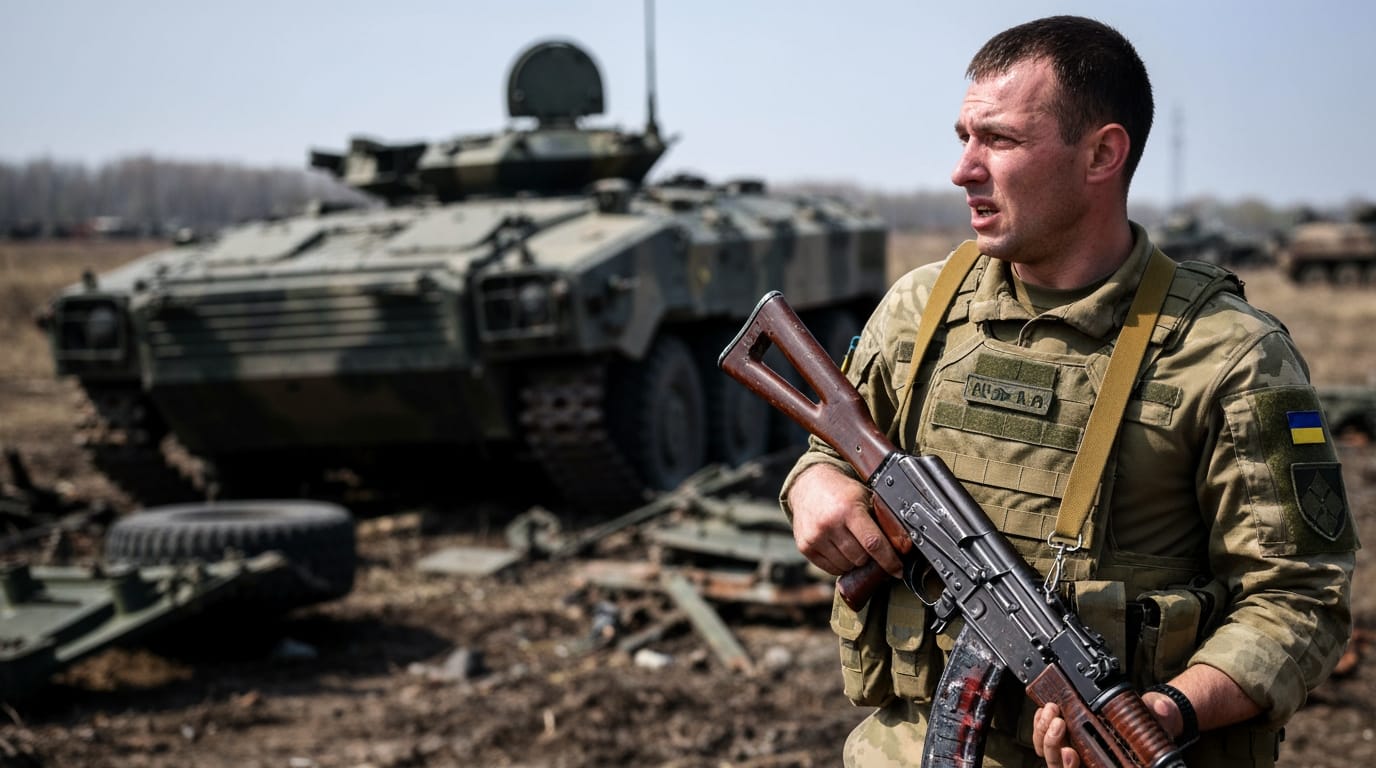
Sofia, Bulgaria – Bulgaria's newly appointed government has declared an end to direct military aid to Ukraine from its national army stockpiles, marking a significant shift in the Black Sea nation's foreign policy regarding the ongoing conflict. The decision, announced by Prime Minister Rumen Radev and reinforced by Defense Minister Dimitar Stoyanov, signals a renewed emphasis on diplomatic solutions and a reevaluation of Bulgaria's contributions to Kyiv's defense efforts. This policy change comes amid deep-seated domestic political divisions and historical ties that continue to shape Bulgaria's approach to the war.
The move, articulated earlier this week, posits that Ukraine currently requires "more people, not more weapons," and that the prolonged conflict cannot be resolved through military means alone. Officials in Sofia are advocating for an immediate return to the negotiating table to achieve a "just peace" determined by both warring parties. While Bulgaria has previously supplied Ukraine with a substantial amount of military assistance, including 13 aid packages, the new administration asserts that its own defense capabilities must remain a priority and that the nation no longer possesses a "disposable surplus" of weaponry to offer. The government also cited socio-economic damage to Bulgaria as a consequence of the ongoing war.
A Halt to State Supplies, Not an End to All Aid
The recent announcement specifically targets direct, state-to-state military transfers from Bulgarian army depots. However, the situation is more nuanced than a complete cessation of all arms flows from Bulgaria to Ukraine. Bulgaria's robust defense industry, a significant producer of Soviet-era ammunition and equipment compatible with Ukrainian forces, is expected to continue its commercial operations. These private and state-owned manufacturers have historically supplied weaponry to Ukraine, often through intermediaries and other European Union or NATO member states. This indirect supply chain has proven crucial for Kyiv, particularly in the initial stages of the conflict.
Reports from the Ukrainian Foreign Ministry confirm that while free military aid from Bulgaria is not currently being received, commercial defense cooperation remains active and mutually beneficial. This arrangement allows Bulgarian defense companies to scale production and generate revenue, while simultaneously providing Ukraine with much-needed armaments. Data from the UN Register of Conventional Arms reveals substantial Bulgarian weapons exports to other countries, such as Poland, Romania, and Czechia, which have then funneled these supplies to Ukraine. This intricate network of commercial transactions underscores the ongoing, albeit less visible, role of Bulgarian-origin arms in the Ukrainian conflict.
Navigating Domestic Divisions and Historical Legacies
The decision to cease direct military aid is deeply rooted in Bulgaria's complex domestic political landscape, characterized by a persistent division between pro-Western and pro-Russian factions. Prime Minister Rumen Radev, who assumed office following his party's victory in April elections, has consistently advocated for a more cautious approach to military support for Ukraine and has voiced skepticism about the effectiveness of sanctions against Russia. His previous tenure as president also saw him criticize military aid to Kyiv, consistently calling for a "diplomatic solution."
This stance resonates with a segment of the Bulgarian population and political elite that maintains strong historical and cultural ties with Russia, stemming from shared Orthodox Christian heritage and Soviet-era connections. These historical bonds contribute to a significant level of pro-Russian sentiment within the country, creating a challenging environment for any government attempting to navigate a definitive policy towards the conflict in Ukraine. Opposition parties in Bulgaria have swiftly criticized the new government's move, arguing that it erodes trust in Bulgaria as a reliable ally within the Euro-Atlantic community. Previous Bulgarian governments often attempted to manage these internal divisions by allowing indirect arms transfers, thus avoiding direct political confrontation while still contributing to Ukraine's defense.
Geopolitical Repercussions and Alliance Dynamics
Bulgaria's policy shift carries significant implications for its standing within NATO and the European Union, particularly concerning alliance solidarity in supporting Ukraine. While Sofia asserts its continued loyalty to both blocs, it also emphasizes its sovereign right to an independent opinion on political matters. The Foreign Minister has stated that all available European mechanisms should be leveraged to achieve lasting peace with Russia, indicating a desire to align with broader European diplomatic efforts while exercising national discretion on military contributions.
This nuanced position reflects the delicate balance Bulgaria aims to strike: adhering to its commitments as a NATO and EU member while simultaneously addressing internal political pressures and historical leanings. Despite the halt in direct military supplies, Bulgaria and Ukraine signed a 10-year security pact in March, covering areas such as joint defense production, intelligence sharing, and energy corridors. This agreement suggests that while the form of Bulgarian support may be evolving, cooperation between the two nations is not entirely severed. The decision from Sofia may serve as another signal to Kyiv and its Western partners that support within Europe is becoming less automatic, potentially influencing future strategies for international assistance to Ukraine.
The Bulgarian government's decision to halt direct military aid to Ukraine underscores the intricate challenges faced by nations balancing international alliance obligations with domestic political realities, historical ties, and economic considerations. While the immediate flow of weapons from army stockpiles will cease, the continued commercial activity of Bulgaria's defense industry suggests that Bulgarian-origin armaments may still reach Ukraine through less direct channels. This complex interplay of factors shapes Bulgaria's evolving role in the broader geopolitical landscape, highlighting the ongoing tensions and diverse perspectives within the European response to the conflict. The call for diplomacy over military solutions from Sofia adds another layer to the international dialogue surrounding the path to peace in Ukraine, reflecting a shifting dynamic in European unity and support.


