South Africa Braces for Unrest as Anti-Migrant Tensions Peak Ahead of June 30 Ultimatum
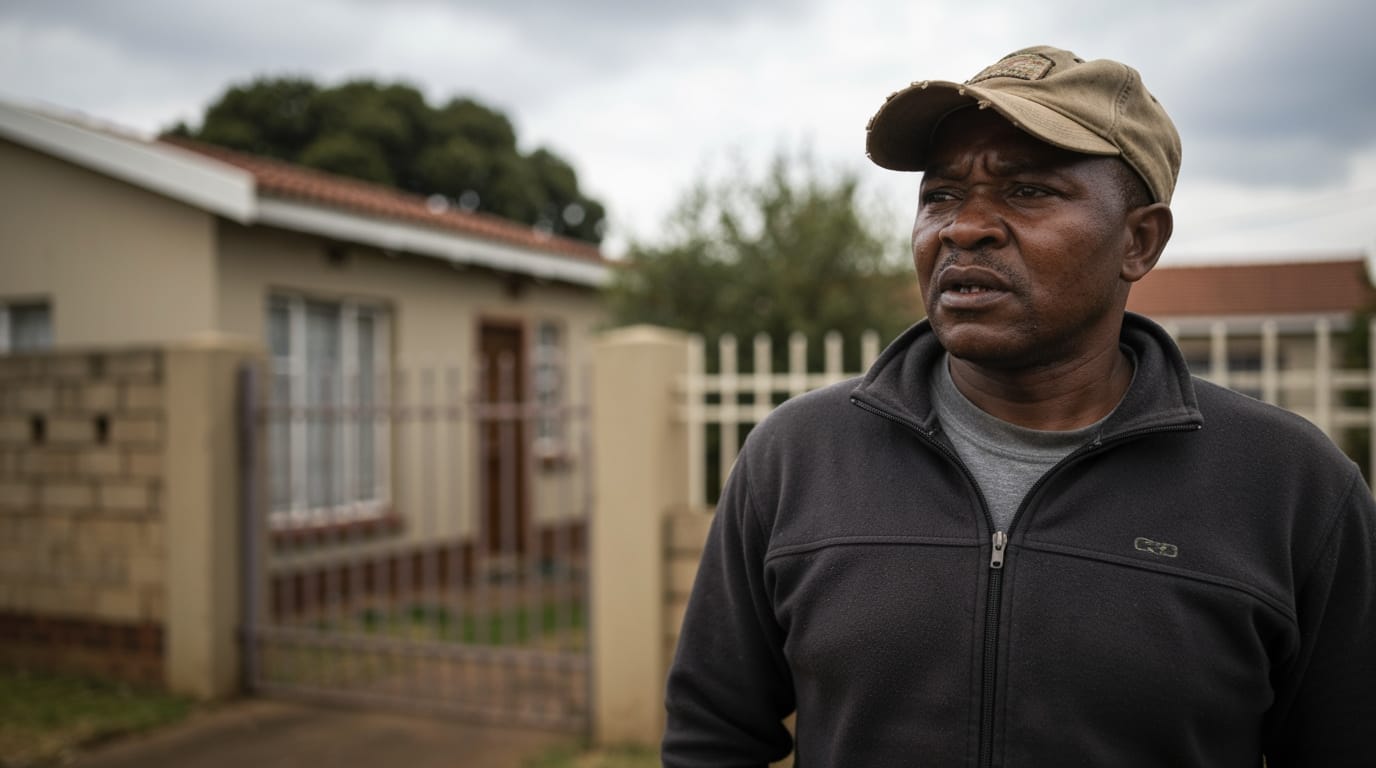
JOHANNESBURG – South Africa is gripped by escalating tensions as anti-migrant groups, notably Operation Dudula and March and March, have set a June 30 deadline for undocumented foreign nationals to leave the country, sparking widespread fear and a heightened security alert. The ultimatum has amplified anxieties among migrant communities and raised concerns about potential unrest, drawing parallels to previous waves of xenophobic violence that have plagued the nation. Authorities have significantly bolstered security, canceling police leave and deploying additional resources to prevent a repeat of past deadly episodes, as the country navigates a complex interplay of economic frustration, social challenges, and deeply entrenched anti-foreigner sentiment.
Escalating Tensions and the June 30th Ultimatum
The call for mass expulsion, primarily championed by organizations like Operation Dudula and March and March, has culminated in a June 30 deadline that has sent tremors through migrant communities across South Africa. These groups, whose names like "Dudula" (isiZulu for "to force out" or "knock down") overtly declare their intentions, have actively mobilized protests and taken direct action against foreign nationals. Their activities have ranged from organizing demonstrations in areas like Soweto and Durban to raiding businesses owned by foreigners and attempting to block access to essential public services. The anti-migrant rhetoric frequently blames foreign nationals for South Africa's high unemployment rates, strain on public services, and perceived rise in crime, fueling a climate of fear and hostility.
The current wave of activism follows a series of sporadic yet often lethal xenophobic incidents that have historically targeted African and Asian foreign nationals. In response to the June 30 ultimatum, protests have already been observed in various parts of Johannesburg and Durban, with some residents blaming government failures on undocumented immigration. Human rights organizations have voiced alarm over the escalating anti-migrant mobilization, highlighting that these actions are often characterized by xenophobic rhetoric, threats, and direct attacks. The International Commission of Jurists (ICJ) noted that the High Court of South Africa previously found Operation Dudula guilty of intimidation, harassment, and inciting hate speech and violence on grounds of nationality, social origin, and ethnicity in November 2025.
Roots of Resentment: Economic Hardship and Scapegoating
The bedrock of anti-migrant sentiment in South Africa is often attributed to profound socio-economic frustrations, particularly high unemployment, poverty, and rising living costs. With unemployment rates exceeding 30% nationally and climbing above 40% among young people, competition for scarce jobs and resources becomes a potent trigger for scapegoating. Protestors articulate grievances by claiming that foreign nationals "take jobs away from South Africans" and disproportionately consume public services such as healthcare and education.
However, experts and economists largely contend that blaming migrants for South Africa's systemic problems misdirects attention from the true underlying issues. According to various studies, the nation's struggles with service delivery, high crime rates, and unemployment are primarily a result of chronic underinvestment, endemic corruption, and governance failures. Migrants constitute a relatively small percentage of South Africa's total population, estimated at about 4.1%, a figure considerably lower than many other countries. While anti-foreigner groups claim the number of undocumented arrivals swells this figure, the national statistics office includes them in its census data. Political analyst point out that anti-immigrant narratives often intensify around election cycles, with some parties using populist rhetoric to garner support amidst public dissatisfaction. This historical pattern of diverting frustration onto "outsiders" has been a recurring feature in South Africa, contributing to the persistent nature of xenophobia.
The Human Cost: Migrants Under Siege
The rising anti-migrant fervor carries a significant human cost, placing foreign nationals in precarious and often dangerous situations. The threat of violence, displacement, and discrimination looms large over both documented and undocumented migrants. Several deaths linked to anti-immigrant activism have been reported, including Malawian and Mozambican nationals. In response to the intensifying climate, neighboring countries like Malawi, Ghana, and Nigeria have initiated voluntary repatriation efforts, while others have issued travel advisories for their citizens planning to visit South Africa.
Beyond physical threats, migrants face severe disruptions to their daily lives and livelihoods. Foreign-owned businesses, particularly informal shops and stalls, are frequently targeted, leading to looting, vandalism, and forced closures. This not only devastates the entrepreneurs but also impacts local communities who rely on these businesses for affordable goods and services. Migrants also face barriers to accessing essential public services. Operation Dudula, for instance, has actively tried to block foreign nationals from accessing healthcare facilities and has announced intentions to prevent undocumented children from attending public schools, despite constitutional guarantees for such rights. Testimonies reveal asylum seekers enduring hours of untreated pain due to blockades at clinics. Human rights groups, including HIAS South Africa, have observed a systematic and escalating campaign of intimidation that makes no distinction between documented and undocumented foreign nationals.
Government Response and Broader Implications
The South African government, acutely aware of the potential for widespread disorder, has mounted a significant security operation ahead of the June 30 deadline. Law enforcement agencies are on high alert, with police leave canceled and additional resources deployed. The National Joint Operational and Intelligence Structure (NatJoints) has committed substantial funds towards security measures and placed the military on standby, determined to prevent a recurrence of the July 2021 riots that claimed 350 lives. President Cyril Ramaphosa has publicly affirmed that immigration enforcement is the responsibility of the state, not private actors, and has urged for peaceful demonstrations, warning that lawbreakers will face the full might of the law.
Despite these assurances, human rights organizations continue to express concern over the state's capacity and willingness to protect vulnerable communities. The International Commission of Jurists (ICJ) has urged the South African government to dismantle vigilante networks and uphold its constitutional and international human rights obligations. Courts have repeatedly been called upon to address the consequences of xenophobic vigilantism, with a High Court ruling in November 2025 specifically prohibiting Operation Dudula from demanding identity documents or taking the law into their own hands.
The persistent xenophobia also carries significant economic and diplomatic repercussions. It strains trade relations with neighboring African countries and can deter international investment, damaging South Africa's image and economic prospects. The country's migration policy, despite aligning with international frameworks, has become increasingly restrictive, hindering the socio-economic integration of migrants and drawing criticism for its implementation gaps.
A Nation at a Crossroads
South Africa stands at a critical juncture, facing the complex challenge of addressing legitimate socio-economic grievances without succumbing to the destructive forces of xenophobia. The current climate underscores a deeply rooted struggle to balance national interests, economic pressures, and its constitutional commitment to human rights and dignity for all. While populist narratives often simplify migration as a border management problem, the reality is far more intricate, involving regional dynamics, historical imbalances, and governance issues.
The path forward requires not only robust law enforcement to curb vigilantism and protect vulnerable communities but also a concerted effort to address the root causes of socio-economic discontent among its citizens. Simultaneously, there is a critical need for consistent leadership that unequivocally condemns xenophobia and upholds the rights of all individuals within its borders, fostering a more inclusive and stable society. The international community, too, plays a role, as migration challenges often extend beyond national borders, necessitating regional cooperation and shared responsibility. Failure to effectively manage these tensions risks further instability, economic decline, and continued human suffering in a nation still striving to overcome the legacies of its past.


