South African Bar Shooting Leaves 11 Dead, Reigniting Fears Over Pervasive Gun Violence
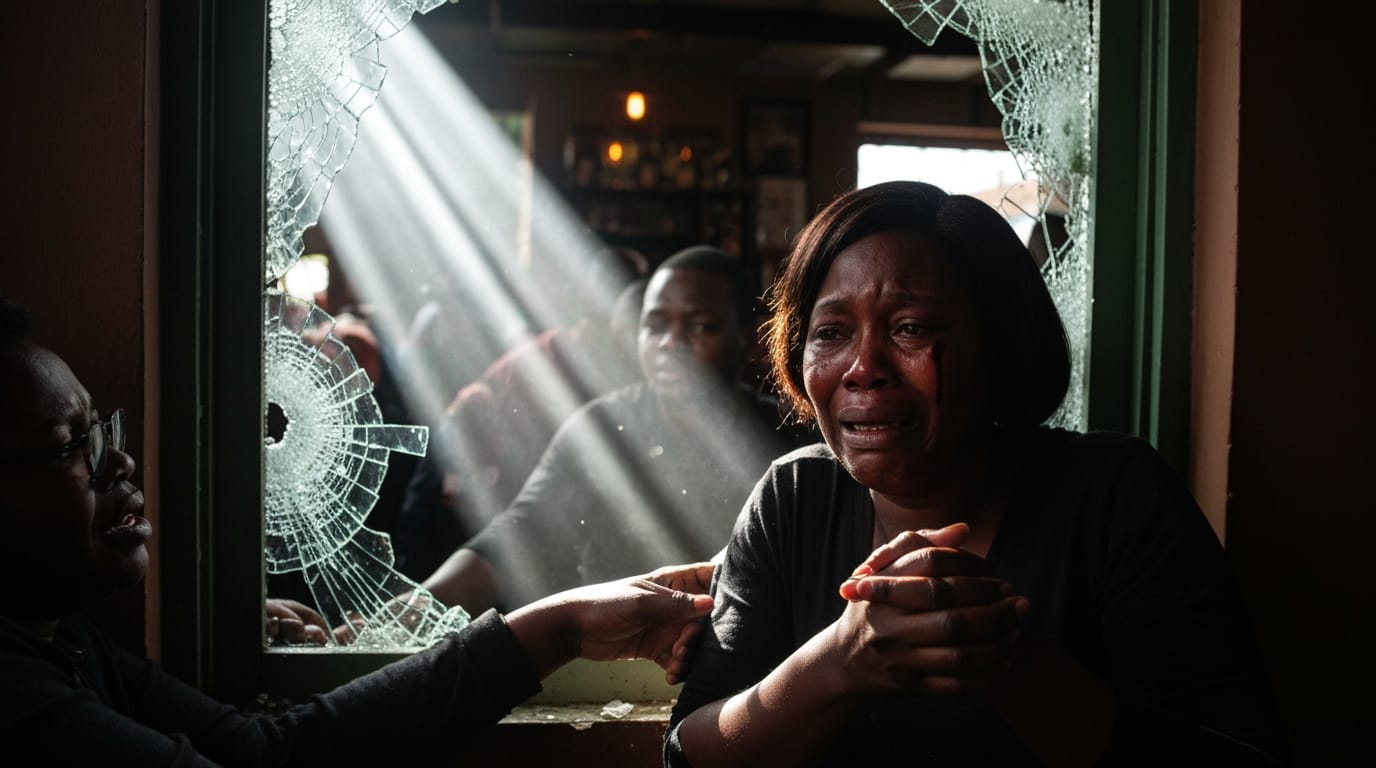
PRETORIA, South Africa – A horrific act of violence unfolded in the early hours of Saturday, December 6, 2025, when gunmen opened fire at an unlicensed bar in the Saulsville township, west of Pretoria, killing at least 11 people, including three children. The brutal assault, which also left 14 individuals wounded and hospitalized with gunshot injuries, has plunged the community into grief and once again cast a stark spotlight on South Africa's deeply entrenched epidemic of gun violence.
The assailants arrived at the establishment shortly after midnight, unleashing a hail of bullets on patrons in what police described as a random and indiscriminate attack. The presence of children among the fatalities has particularly shocked the nation, underscoring the indiscriminate nature of the violence plaguing many of the country's informal settlements. Authorities have launched an intensive investigation into the shooting, with police statements confirming the grim death toll and the extensive injuries. The motive behind the attack remains unclear as investigators work to piece together the events that led to the tragedy.
A Familiar and Tragic Echo: South Africa's Tavern Shootings
This latest mass shooting in Saulsville tragically mirrors a disturbing pattern of similar incidents that have rocked South Africa in recent years, particularly in its densely populated townships. Just over three years prior, in July 2022, the nation was reeling from a spate of deadly attacks on taverns.
One of the most prominent of these was the shooting at the Nomzamo informal settlement in Orlando East, Soweto, on July 9, 2022. In that incident, a group of heavily armed men stormed a tavern, indiscriminately firing on patrons and ultimately killing between 15 and 16 people. Police investigators at the time indicated that high-caliber firearms were used, and the large number of cartridges found suggested a coordinated assault by multiple individuals. The attackers fled the scene in a minibus taxi and, despite initial arrests and ongoing investigations, the case against some suspects was later dropped due to insufficient evidence, leaving families without full closure.
On the very same day in July 2022, another bar shooting occurred in Pietermaritzburg, KwaZulu-Natal, where four people were killed and eight others injured. Although authorities did not believe the incidents were linked, they highlighted the alarming frequency of such violent acts across the country. These shootings underscored the vulnerability of social venues in townships, which often become targets in conflicts with unclear motives, sometimes linked to gangland vendettas or turf battles.
Adding to the series of tragedies in mid-2022 was the devastating Enyobeni Tavern incident in East London in June, where 21 young people, some as young as 13, mysteriously died during a "pens down" celebration marking the end of school exams. While not a shooting, this event brought national attention to the safety of taverns, issues of underage drinking, and the often-unregulated environment of these establishments. The South African Human Rights Commission later released a scathing report criticizing the Eastern Cape Liquor Board and government departments for systemic failures linked to the deaths.
The Pervasive Threat of Illegal Firearms
A significant contributor to South Africa's high rates of violent crime, particularly the devastating bar shootings, is the widespread availability of illegal firearms. Experts and police consistently point to a complex web of sources that feed the illicit weapons market. These include firearms stolen from legal civilian owners, those lost or pilfered from state armories belonging to the South African Police Service (SAPS) and the South African National Defence Force (SANDF), and weapons smuggled into the country from neighboring regions.
Official statistics reveal a concerning trend: thousands of licensed civilian firearms are reported lost or stolen annually, with a significant percentage remaining unaccounted for, likely flowing into criminal hands. Furthermore, reports have highlighted widespread losses and corruption within government security apparatuses, with instances of rifles, ammunition, and even grenades disappearing from state stockpiles and subsequently reappearing in criminal activities. The easy accessibility of high-caliber weapons, such as AK-47s, often used in these mass shootings, amplifies their lethality and terror.
Efforts to curb the flow of illegal firearms have included police operations and calls for stricter gun control. In May 2025, the Department of Trade, Industry, and Competition even proposed banning the import of "blank" guns due to their frequent use in criminal activities like robberies. However, the sheer volume of illicit weapons and the challenges in monitoring and recovering them continue to pose a formidable obstacle to public safety. Crime statistics consistently show that firearms are the leading instrument in murders in South Africa, accounting for a substantial percentage of homicides.
Community Impact and the Search for Solutions
The recurring violence at taverns deeply affects the social fabric of townships, communities already grappling with significant socio-economic challenges. These establishments often serve as crucial social hubs, particularly in areas where other recreational options are scarce. However, the operation of unlicensed bars, such as the one in Saulsville, introduces additional risks, as they may not adhere to safety regulations, further endangering patrons.
Community leaders and residents frequently voice their frustration over the pervasive nature of crime and the perceived lack of effective policing. The absence of adequate infrastructure, such as reliable electricity, can leave areas vulnerable and dark, making it easier for criminals to operate and evade detection. The emotional toll on families who lose loved ones in such brutal and senseless acts is immense, often compounded by lengthy or inconclusive investigations that delay justice.
South Africa's overall murder rate remains among the highest globally, with gun violence being a primary driver. The latest shooting in Saulsville serves as a painful reminder that despite ongoing discussions and some interventions, the underlying issues contributing to this violence – including easy access to illegal weapons, gang activities, and socio-economic disparities – remain largely unresolved.
The recent tragedy in Saulsville is a stark and sorrowful indicator of the persistent insecurity faced by many South Africans. The loss of 11 lives, including innocent children, underscores the urgent need for a multi-faceted and determined response from law enforcement, government agencies, and communities. While investigations into specific incidents like this are critical, a broader, concerted effort to address the root causes of gun violence, curb the illicit flow of firearms, and enhance community safety in townships is imperative to prevent future devastation and restore a sense of security to a nation too often scarred by such preventable tragedies.


