South Korea Battles Historic Wildfires; Rains Offer Hope
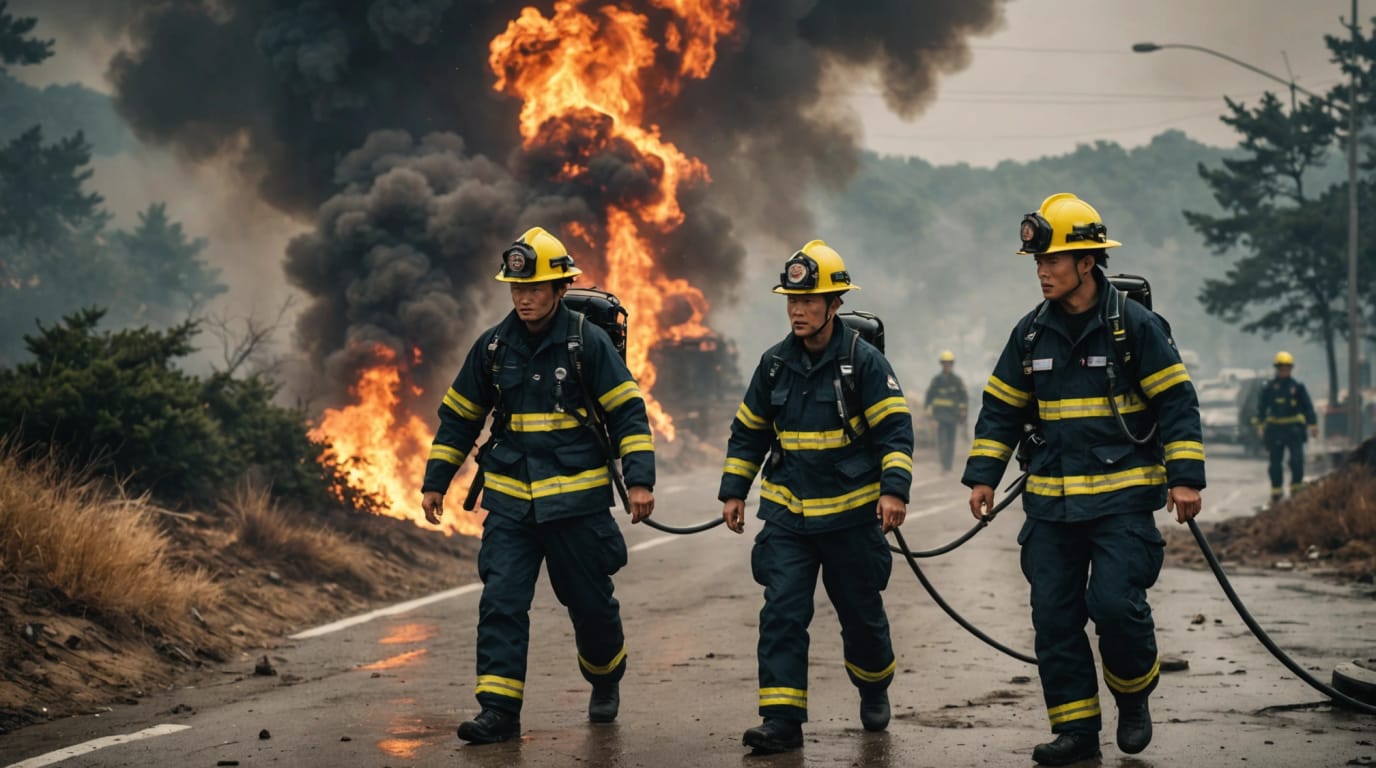
South Korea is grappling with its worst wildfire disaster in history, as blazes that began on March 21, 2025, have ravaged vast areas of the country, leaving a trail of destruction and claiming the lives of at least 28 people. The fires, fueled by strong winds, dry conditions, and unusually warm temperatures, have prompted widespread evacuations, strained firefighting resources, and raised concerns about the impact of climate change on the Korean Peninsula. Recent rainfall and cooler temperatures have provided a much-needed respite, allowing firefighters to gain ground and contain several of the major blazes.
Unprecedented Devastation
The wildfires, which broke out across multiple cities and towns, primarily in the southeastern Gyeongsang provinces, quickly spread due to a combination of factors. The region experienced prolonged drought conditions leading up to the outbreak, with many areas receiving only half the average rainfall for the season. Strong, dry winds, amplified by the mountainous terrain, further exacerbated the situation, allowing the fires to move rapidly and unpredictably. Unseasonably high temperatures, climbing as much as 10°C (18°F) above the average, also contributed to the intensity and spread of the flames.
The scale of the devastation is immense. As of March 28, the fires had affected at least 48,150 hectares (119,000 acres) of woodland, surpassing the previous record set in 2000 when 23,794 hectares were ravaged. More than 37,000 people have been forced to evacuate their homes, seeking refuge in temporary shelters. Thousands of structures, including houses, factories, and agricultural facilities, have been destroyed or damaged. The acting president, Han Duck-soo, has declared the situation a "critical situation with numerous casualties because of the unprecedented rapid spread of forest fires."
Human Cost and Cultural Loss
The human cost of the wildfires has been significant. At least 28 people have died, including three firefighters and one government employee. Many of the victims were elderly residents unable to evacuate quickly. In one tragic incident, a village chief and his family were killed when their car was caught in the flames. In addition to the fatalities, dozens of people have been injured, and thousands remain displaced from their homes.
The fires have also inflicted significant damage on South Korea's cultural heritage. The Gounsa Temple, a historic Buddhist temple founded in 681 during the Silla Dynasty, was severely damaged, with many of its buildings, including designated national treasures, reduced to ashes. Evacuation orders were issued for other UNESCO World Heritage sites, including the Hahoe Folk Village and the Byeongsan Seowon Confucian Academy, as firefighters worked to protect these invaluable cultural landmarks.
Response and Challenges
The South Korean government has mobilized extensive resources to combat the wildfires. More than 8,100 personnel, including firefighters, soldiers, police officers, and government officials, have been deployed, along with over 100 helicopters and hundreds of pieces of firefighting equipment. The military has also provided support, with thousands of personnel and numerous helicopters assisting in the firefighting efforts. The national administration formally declared North and South Gyeongsang provinces and Ulsan as disaster zones, enabling additional emergency resources and support measures.
Despite these efforts, firefighters have faced numerous challenges. The mountainous terrain, strong winds, and dry conditions have made it difficult to contain the blazes. A helicopter pilot died when his aircraft crashed during firefighting operations, highlighting the risks faced by those on the front lines. The Korea Forest Service raised its wildfire crisis alert to the highest level, requiring local governments to increase emergency response efforts and restrict access to forests and parks.
Rain Brings Relief, but Vigilance Remains
In recent days, rainfall and cooler temperatures have brought much-needed relief to the region. Firefighters have made significant progress in containing the blazes, with officials reporting that the main fires in several of the hardest-hit areas have been fully contained. However, authorities remain vigilant, warning that there is still a risk of new outbreaks.
"As we've completed works to contain main fires, we're turning into a system to deal with small fires," said Korea Forest Service chief Lim Sang-seop. "There are still dangers of breakouts of another wildfires so we won't loosen our vigilance and will make all-out efforts to prevent them."
Climate Change and Future Preparedness
The severity of the South Korean wildfires has raised concerns about the impact of climate change on the region. Experts point to rising average temperatures, prolonged droughts, and more frequent extreme weather events as factors that are increasing the risk and intensity of wildfires.
Lee Cheol-woo, governor of North Gyeongsang Province, has called for a complete overhaul of the country's wildfire response strategy in the face of extreme climate conditions. He has proposed better evacuation guidelines, more powerful firefighting tools, and improved nighttime firefighting capabilities.
The South Korean wildfires serve as a stark reminder of the growing threat posed by climate change and the need for proactive measures to mitigate the risk of future disasters. As the country begins the long process of recovery, it must also focus on building resilience and adapting to a changing climate.
Looking Ahead
While the immediate crisis appears to be subsiding, the long-term impact of the wildfires will be felt for years to come. Thousands of people have lost their homes and livelihoods, and the damage to the environment and cultural heritage is immeasurable. The government has pledged to provide financial assistance and support to those affected, but the road to recovery will be long and challenging.
The wildfires have also prompted a national conversation about wildfire prevention and preparedness. Experts are calling for stricter regulations on activities that could spark fires, as well as increased investment in firefighting resources and technology. There is also a growing recognition of the need to address the underlying causes of climate change and reduce greenhouse gas emissions.
As South Korea rebuilds from this devastating disaster, it must also learn from its experiences and take steps to protect itself from future wildfires. This will require a concerted effort from government, industry, and individuals to address the challenges of climate change and build a more resilient and sustainable future.


