South Korea Battles Largest, Deadliest Wildfires on Record
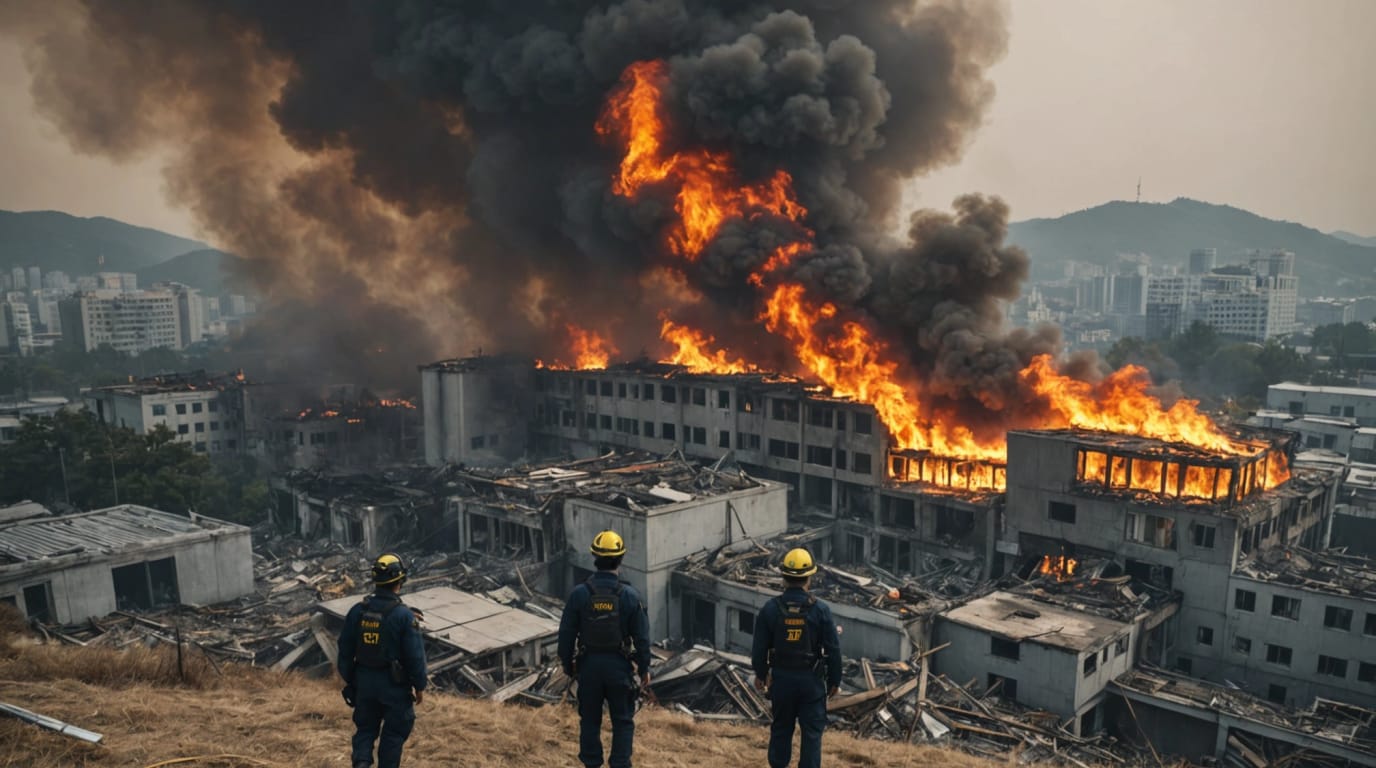
South Korea is grappling with its worst wildfire disaster in history as blazes, fueled by strong winds and dry conditions, continue to ravage the southeastern region of the country. The fires have already claimed the lives of at least 27 people, forced tens of thousands to evacuate, and incinerated vast swaths of forest land, including historic temples.
The wildfires, which began over the weekend, have rapidly spread across the mountainous terrain of North Gyeongsang province, driven by powerful gusts of wind. The hardest-hit area is Uiseong county, where the largest of the fires originated. The blaze has since moved eastward, reaching almost to the coast. As of Thursday, more than 35,000 hectares (86,500 acres) have been burned, making it the largest single forest fire in South Korea's history, surpassing the previous record of 23,913 hectares (59,000 acres) scorched in April 2000.
The Ministry of Interior and Safety reported that the death toll has reached 27, with dozens more injured. This is the highest number of fatalities recorded from wildfires since the Korea Forest Service began keeping records in 1987. Among the deceased are many elderly residents and a pilot who died on Wednesday when his firefighting helicopter crashed in Uiseong. At least 26 other people have sustained injuries of varying degrees. Approximately 37,000 people have been forced to flee their homes as the fires cut off roads and downed communication lines, leaving residents to escape in panic.
Acting President Han Duck-soo has described the situation as "nationally critical," acknowledging the unprecedented and rapid spread of the wildfires. He has urged officials to concentrate all available resources to extinguish the blazes. The military has released stocks of aviation fuel to support the fleet of over 120 helicopters deployed across three regions to combat the fires. South Korea relies heavily on helicopters for fighting forest fires due to its mountainous landscape.
The fires have not only caused widespread destruction of forests and homes but have also damaged culturally significant sites. Gounsa Temple in Uiseong, built in 681, was largely destroyed. Firefighters are on standby to protect the UNESCO World Heritage sites of Hahoe Village and the Byeongsan Confucian Academy in Andong, prepared to intervene if the blaze jumps the stream that surrounds them.
Experts suggest that climate change is a contributing factor to the increased frequency and intensity of wildfires globally. Higher temperatures, exacerbated by human-caused climate change, have intensified the seasonally dry conditions, creating dangerous fire fuel in the region. While some rain is forecast for the southwest, the Korea Forest Service Minister Lim Sang-seop stated that the expected precipitation of under five millimeters is unlikely to significantly aid in extinguishing the fires.
The ongoing wildfires highlight the increasing vulnerability of communities and ecosystems to extreme weather events. The South Korean government faces the challenge of not only containing the immediate crisis but also implementing long-term strategies to mitigate the risk of future wildfires and adapt to the changing climate. These strategies may include enhanced forest management practices, improved early warning systems, and increased investment in firefighting resources and technology.
As the fires continue to burn, the focus remains on containing the blazes, providing aid to those affected, and preventing further loss of life and property. The disaster serves as a stark reminder of the devastating impact of wildfires and the urgent need for global action to address climate change and its consequences.


