South Korea Grapples with Deadly Record Heatwave as President Urges Systemic Overhaul
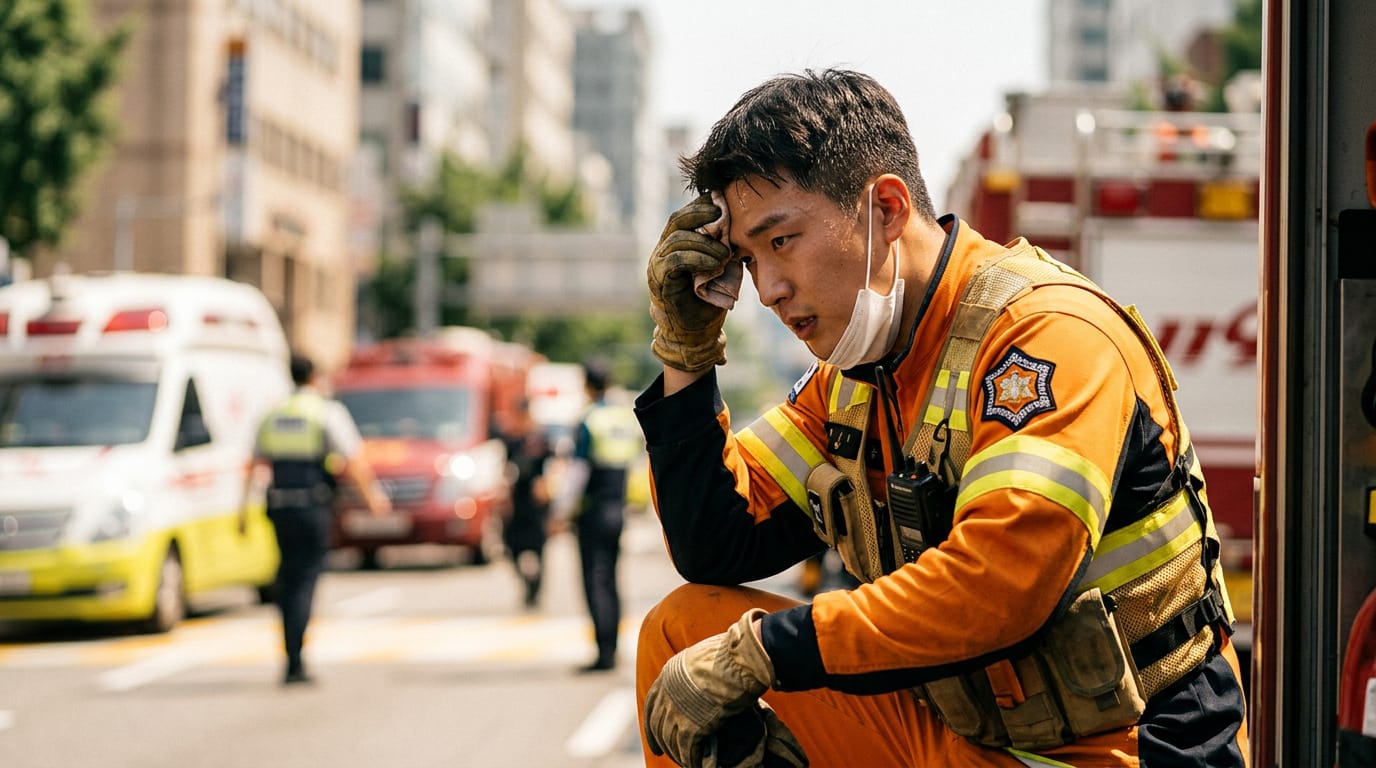
SEOUL, South Korea – An unprecedented and deadly heatwave has swept across South Korea, claiming the lives of 16 individuals and leaving thousands more suffering from heat-related illnesses. The mercury has shattered historical records, prompting President Lee Jae Myung to declare the situation a "national disaster" and call for a "fundamental overhaul of the national crisis system" as extreme weather events become increasingly commonplace. As the nation endures blistering temperatures, the government is intensifying emergency measures, while concerns mount over the long-term implications of a rapidly changing climate.
The Unprecedented Scorch Across the Peninsula
The current heatwave marks one of the most severe meteorological events in South Korea's recorded history, with temperatures reaching staggering highs that have surpassed previous benchmarks. On August 2, 2026, the southeastern city of Yangsan registered an all-time national high of 42.5 degrees Celsius (108.5 degrees Fahrenheit), the highest temperature recorded in 122 years of weather observations. Yangsan had experienced temperatures exceeding 40 degrees Celsius for five consecutive days. The intense heat, initially concentrated in the southeastern regions, has now expanded its grip, placing the densely populated capital of Seoul under its first-ever "severe heatwave warning." Forecasts indicate Seoul could experience temperatures nearing 40 degrees Celsius in the coming days. This sustained period of extreme heat has gripped the nation since mid-May, escalating rapidly in late July and early August.
A Toll on Life and Livelihoods
The human cost of the relentless heat has been significant. As of August 4, 2026, at least 16 fatalities have been directly linked to heat-related causes. Beyond the tragic loss of life, the Korea Disease Control and Prevention Agency (KDCA) reported that over 2,025 individuals sought medical attention for heat-related illnesses between May 15 and August 2. Many of the victims, particularly in rural areas, were elderly individuals who succumbed while working outdoors in fields, greenhouses, and rice paddies.
The agricultural sector has borne a substantial economic impact. The prolonged heat and associated drought conditions have led to widespread livestock deaths, with over 432,450 farm animals, predominantly poultry and pigs, perishing as of August 2. Crops are also severely affected; for instance, carrot germination rates in Jeju have plummeted below 1%. Reservoir levels across the nation have dropped dramatically, with some regions entering "alert" stages for agricultural water drought, jeopardizing future harvests. Fish farmers along the southern coast are also installing shade covers to prevent mass die-offs, following the loss of over 52,000 farmed flounder in Jeju alone.
Daily life for millions has been severely disrupted. People are seeking refuge in air-conditioned shopping malls and cafes, while professional baseball games have been canceled due to safety concerns. Local authorities in Seoul have deployed water-spraying vehicles to cool road surfaces and prevent overheating. The surge in demand for air conditioning is also placing immense strain on the nation's power grid, prompting calls for meticulous system inspections and the activation of emergency protocols by electricity providers to prevent outages.
Government Mobilizes Amidst Crisis
In response to the escalating crisis, President Lee Jae Myung convened a Cabinet meeting, emphasizing the need for urgent action and declaring the heatwave a "national disaster." He directed authorities to ramp up support for affected citizens and mandated inspections of power systems to ensure stability amidst surging demand. Critically, President Lee underscored that such extreme weather is transitioning from an anomaly to a "normal" occurrence, necessitating a "fundamental overhaul of the national crisis system."
The government has elevated its nationwide heatwave response alert to the second-highest level, a move that unlocks additional funding for relief efforts and facilitates more frequent inspections in affected areas. Local governments are also implementing emergency measures. In Seoul, authorities held an emergency meeting and launched initiatives that include conducting checks on approximately 63,000 vulnerable residents, such as the elderly and those with disabilities or chronic illnesses. Additionally, around 4,000 facilities, including community and welfare centers, have been designated as cooling shelters to provide respite from the scorching temperatures. Public advisories urge citizens to minimize outdoor activities, stay hydrated, and utilize cooling centers.
The Climate Connection: A New Normal
Scientists and meteorologists point to human-induced climate change as a primary driver behind the increasing frequency and intensity of such extreme weather events. South Korea is particularly vulnerable to climate impacts, with average temperatures across the peninsula having risen by approximately 1.5 degrees Celsius over the last century—a rate faster than the global average. Data from the Korea Meteorological Administration (KMA) indicates that the average annual number of heatwave days in the country has more than doubled over the past five years, reaching 19 days annually, compared to just eight days in the 1970s.
The current heatwave is attributed to a combination of meteorological factors, including the prolonged influence of the North Pacific high-pressure system, which traps hot and humid air over the Korean Peninsula, exacerbated by the return of the El Niño phenomenon this year. This trend of hotter, longer summers is not new; previous severe heatwaves in 1994 and 2018 also resulted in significant casualties, highlighting a recurring pattern of vulnerability. President Lee himself had warned in July of extreme heat following the monsoon season, emphasizing the plight of vulnerable populations lacking access to cooling facilities.
Confronting an Enduring Challenge
The severe heatwave gripping South Korea serves as a stark reminder of the escalating challenges posed by a warming climate. The tragic loss of life and extensive damages to agriculture and daily life underscore the urgent need for robust adaptation strategies and systemic changes. President Lee's call for a fundamental overhaul of the national crisis system acknowledges that what was once considered extreme is now becoming the norm. As the nation navigates the immediate crisis, the broader imperative remains to build resilience against a future where such intense heatwaves are likely to be more frequent and severe, demanding proactive policies and collective action to protect its citizens and economy.


