South Korean Court Cancels Arrest Warrant for Impeached President Yoon Suk Yeol
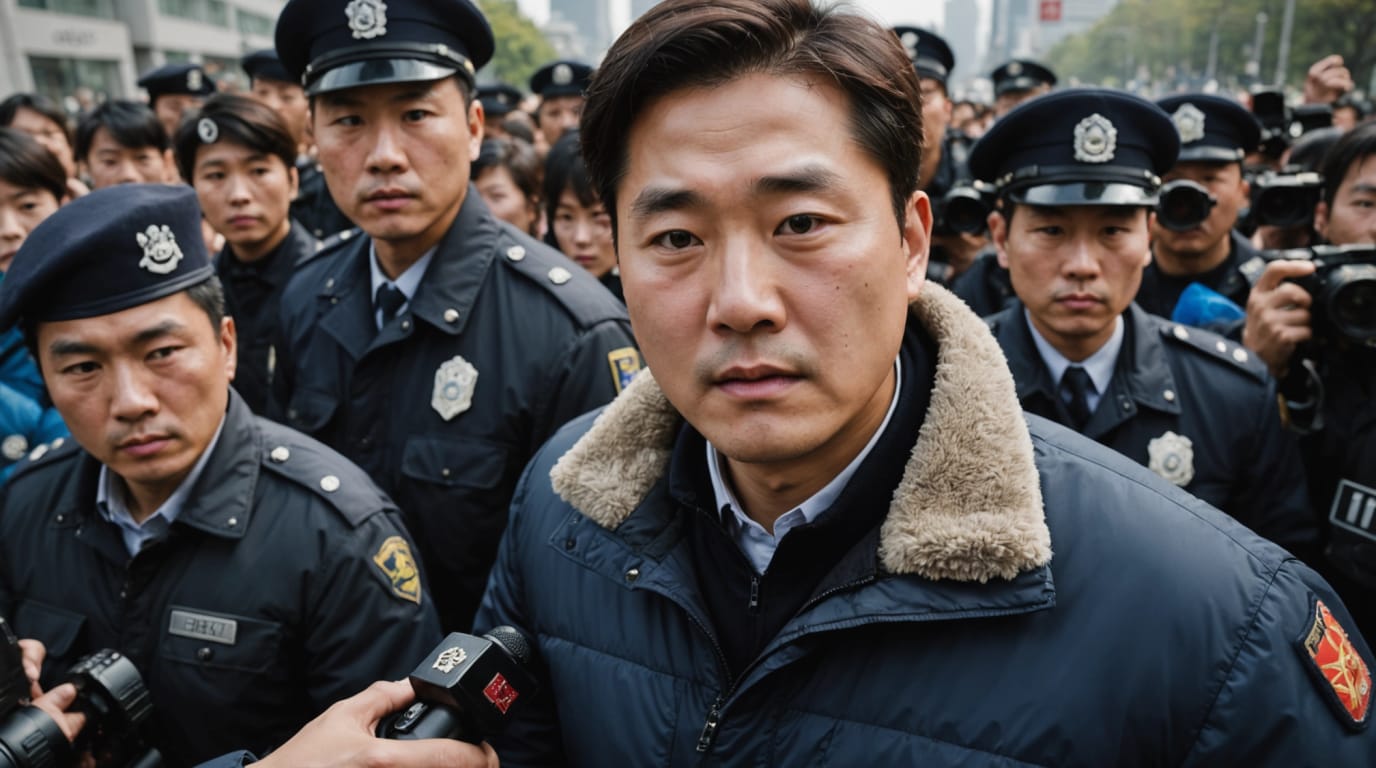
SEOUL — In a dramatic turn of events, a South Korean court on Friday overturned the arrest warrant for impeached President Yoon Suk Yeol, paving the way for his release from jail and allowing him to participate in his ongoing trial without being detained. The decision comes after weeks of legal wrangling following Yoon's arrest in mid-January on charges of insurrection related to his brief imposition of martial law.
Background to the Arrest
The political crisis began in early December when President Yoon, facing growing public discontent and parliamentary opposition, declared martial law, citing the need to quell "anti-state" elements. This move sparked immediate outrage, with critics accusing Yoon of overreach and a violation of the constitution. Although the martial law decree was lifted a mere six hours after its imposition following a parliamentary vote of rejection, the damage was done. The opposition-led Parliament swiftly moved to impeach Yoon, accusing him of violating his constitutional duties. Weeks later, he became the first sitting president in South Korean history to be arrested on criminal charges.
The Legal Challenge
Yoon's legal team mounted a vigorous defense, arguing that the arrest warrant issued on January 15 was invalid due to procedural flaws in the prosecution's request. They asserted that Yoon was indicted while still detained, even after the original arrest warrant had expired. This argument resonated with the Seoul Central District Court, which ultimately decided to cancel the warrant.
Court's Decision and Implications
The court's decision to cancel the arrest warrant has significant implications for the ongoing legal proceedings against Yoon. He will now be able to participate in his trial without the constraints of imprisonment. This could potentially afford him greater access to his legal team and resources, potentially influencing the outcome of the trial.
The ruling has been met with mixed reactions. Yoon's legal counsel hailed the decision as a victory for the rule of law in South Korea. However, critics argue that it sets a dangerous precedent and undermines the principle of accountability for high-ranking officials.
The Charges Against Yoon
President Yoon faces serious charges, primarily related to his imposition of martial law. Prosecutors allege that he abused his power and violated the constitution by attempting to suppress dissent and undermine the authority of Parliament. Yoon, however, maintains that his actions were justified by the need to protect the state from internal threats. He claims that he never intended to fully implement emergency military rule and that his declaration of martial law was a temporary measure taken in response to a specific set of circumstances.
The trial is expected to be lengthy and complex, with both sides presenting extensive evidence and arguments. The outcome will have far-reaching consequences for South Korean politics and the balance of power between the executive and legislative branches of government.
Public Reaction and Political Fallout
The political turmoil surrounding President Yoon's impeachment and arrest has deeply divided South Korean society. Supporters of Yoon view him as a strong leader who is being unfairly targeted by his political opponents. They argue that his actions were necessary to maintain order and stability in the face of growing threats.
Opponents, on the other hand, see Yoon as an authoritarian figure who has abused his power and undermined democratic institutions. They believe that his impeachment and arrest were necessary to hold him accountable for his actions and to protect the rule of law.
The cancellation of Yoon's arrest warrant is likely to further inflame these divisions and intensify the political conflict. It remains to be seen how the situation will unfold in the coming weeks and months, but it is clear that South Korea is facing a period of significant political uncertainty.
Conclusion
The South Korean court's decision to cancel the arrest warrant for impeached President Yoon Suk Yeol marks a pivotal moment in the ongoing political saga. While it allows Yoon to participate more freely in his trial, it also raises questions about accountability and the rule of law. The trial promises to be a defining moment for South Korean democracy, with the potential to reshape the country's political landscape for years to come. The coming weeks will be crucial as the trial progresses and the nation grapples with the implications of this unprecedented situation.


