South Korea's Birth Rate Sees First Increase in Nine Years, But Sustainability Remains a Concern
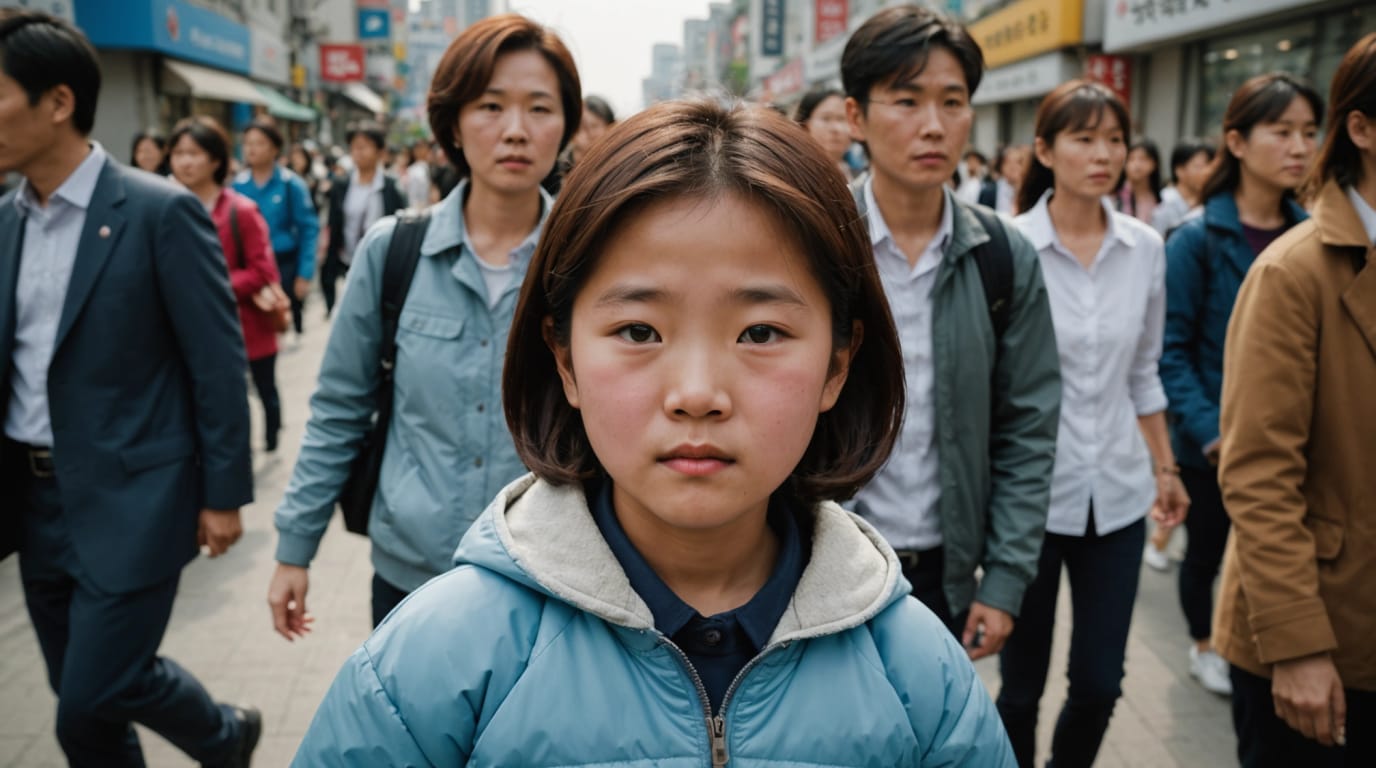
South Korea, grappling with the world's lowest birth rate, has seen a slight rebound in 2024, offering a glimmer of hope amid a looming demographic crisis. After nearly a decade of decline, the nation's fertility rate has edged upward, prompting cautious optimism and renewed debate about the effectiveness of government policies aimed at reversing the trend. However, experts warn that the increase may be temporary and that fundamental changes are needed to ensure long-term sustainability.
A Modest Increase After Years of Decline
According to Statistics Korea, the country's fertility rate rose to 0.75 in 2024, up from a record low of 0.72 the previous year. This figure, representing the average number of children a woman is expected to have in her lifetime, marks the first increase since 2015, when the rate stood at 1.24. The number of newborns also saw an uptick, with 238,343 babies born in 2024, a 3.6% increase from 2023. The crude birth rate, which measures the number of births per 1,000 people, was 4.7, interrupting a continuous downward trend since 2014.
The slight increase has been attributed to several factors, including a rise in marriages following the easing of COVID-19 restrictions and a growing population of women in their early 30s, who are now entering their prime childbearing years. There's also been a slight increase in the percentage of Koreans who think positively about marriage and childbirth. According to Statistics Korea's annual study on Korean society, 52.5 percent of Korean nationals across age groups said they were positive about marriage, up from 50 percent two years prior. Those willing to have kids rose to 68.4 percent in 2024, from 65.3 percent in 2022.
Government Efforts and Policy Impacts
The South Korean government has been investing heavily in programs aimed at boosting the birth rate. Since 2006, more than 360 trillion won ($270 billion) has been spent on initiatives such as childcare subsidies and cash payments to new parents. Since 2022, parents receive a one-time payment of two million won ($1,510) upon the birth of a child. In addition, fathers are now entitled to 20 days of paid paternity leave.
While it is difficult to directly correlate the recent increase with specific policies, some observers believe that the government's efforts are beginning to have a positive impact. Some companies are also joining the efforts, with some offering employees significant childbirth bonuses.
Underlying Challenges and Skepticism
Despite the encouraging figures, many experts remain skeptical about the long-term sustainability of the rebound. South Korea's fertility rate remains the lowest among the 38 member nations of the Organization for Economic Cooperation and Development (OECD), far below the replacement level of 2.1 births per woman needed to maintain a stable population without immigration.
Several deep-rooted issues continue to discourage young Koreans from having children. These include:
- High Cost of Living: The exorbitant cost of housing, particularly in Seoul, combined with rising education expenses, places a significant financial burden on families.
- Work-Life Imbalance: South Korea is known for its demanding work culture, with long hours and limited vacation time, making it difficult for parents to balance work and family responsibilities.
- Gender Inequality: Despite progress in some areas, gender inequality persists in the workplace and at home. Women often face discrimination and are expected to shoulder a disproportionate share of childcare and household chores.
- Economic Insecurity: Economic uncertainty, including high youth unemployment rates, contributes to a sense of pessimism among young people, leading them to delay or forgo marriage and parenthood.
These factors have led to a growing number of young Koreans opting out of traditional lifestyles, with an increasing number of single-person households.
The Path Forward: Addressing Systemic Issues
To achieve a sustainable increase in the birth rate, experts say that South Korea needs to address the underlying systemic issues that discourage young people from having children. This includes:
- Tackling Economic Inequality: Implementing policies to reduce income inequality, make housing more affordable, and ease the financial burden of education.
- Promoting Work-Life Balance: Encouraging companies to adopt more flexible work arrangements, reduce working hours, and promote a culture that values work-life balance.
- Addressing Gender Inequality: Implementing policies to promote gender equality in the workplace and at home, including equal pay, affordable childcare, and shared parental leave.
- Creating a Supportive Environment: Fostering a society that values and supports families, with access to quality healthcare, education, and social services.
Some policy suggestions include offering child support for all children, implementing universal and mandatory parental leave, and supporting parents with effective family-friendly policies.
A National Priority
South Korea's demographic crisis poses a significant threat to its economic growth, social welfare system, and long-term stability. The government has declared the issue a national emergency and is exploring new approaches to address the challenge.
While the recent increase in the birth rate offers a glimmer of hope, it is crucial to recognize that this is just the first step in a long and complex journey. Sustained efforts to address the underlying systemic issues are essential to create a society where young Koreans feel empowered and supported to build families and contribute to a vibrant future.


