South Korea's President Lee Jae-myung Charts Pragmatic Course as Asia's Peacemaker
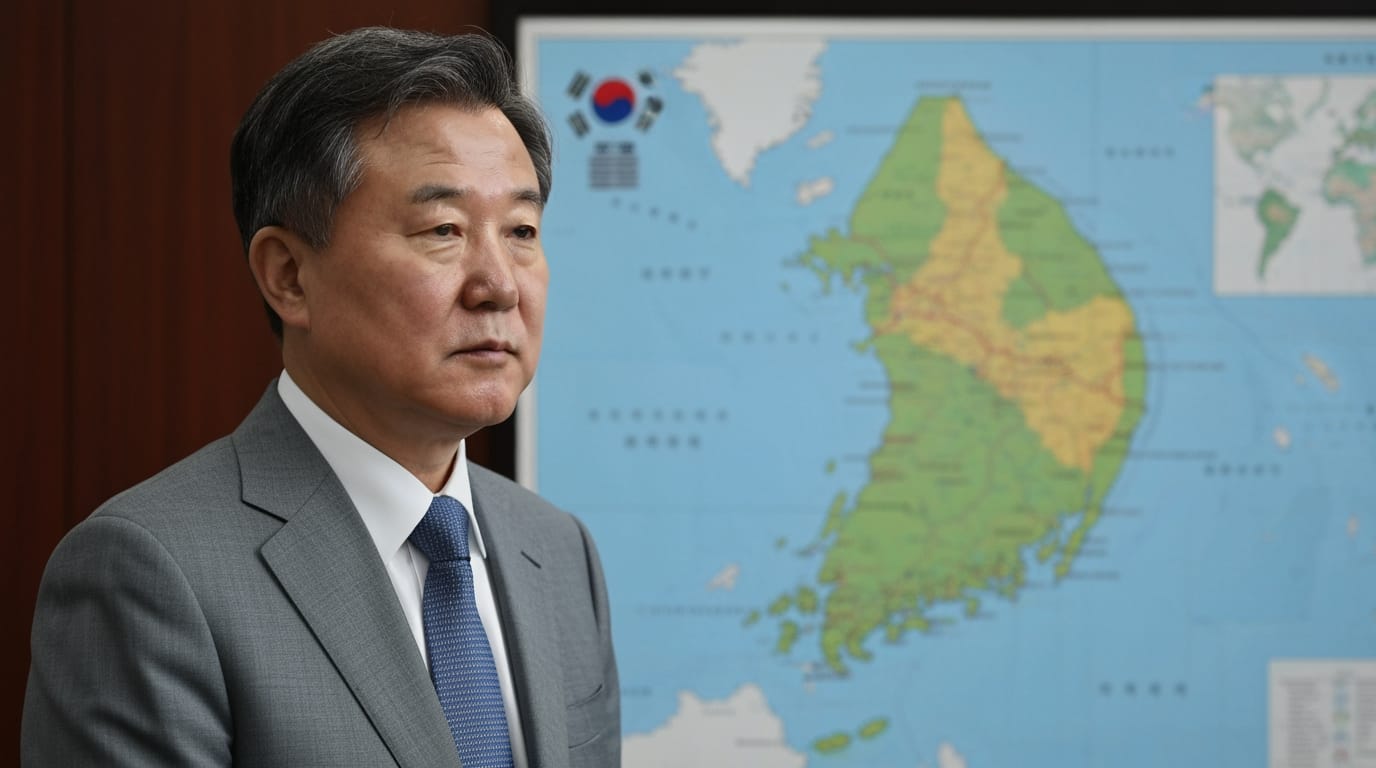
Seoul, South Korea – Six months into his presidency, South Korean President Lee Jae-myung is actively positioning his nation as a crucial "pacemaker" in the intricate diplomatic landscape of Asia, particularly concerning the enduring tensions on the Korean Peninsula. Taking office in June 2025, President Lee has swiftly initiated a foreign policy marked by pragmatism and a proactive search for dialogue, signaling a notable shift from previous administrations. His approach aims to balance traditional alliances with expanded engagement, all while asserting Seoul's indispensable role in fostering regional stability.
A Fresh Diplomatic Compass: Pragmatism Over Ideology
President Lee Jae-myung’s ascension to power in June 2025, following a snap election, ushered in a new era for South Korean foreign policy, moving away from what he described as a "values-based diplomacy" that characterized his predecessor's tenure. His administration has articulated a "pragmatic foreign policy" centered squarely on national interests, emphasizing diversified partnerships and engagement with all major regional powers, including China and Russia, rather than being confined to binary choices. This strategic recalibration underscores a belief that robust cooperation between Seoul and Washington should not necessitate deteriorating relations with Beijing.
The new administration’s diplomatic efforts are guided by the primacy of economic interests, seeking to expand South Korea's "economic territory" through strategic trade and foreign policy initiatives. This includes a commitment to strengthening existing relationships with partners across Southeast Asia, Europe, and within multilateral forums like the Asia-Pacific Economic Cooperation (APEC), where President Lee has sought to deepen engagement. By diversifying its international posture, Seoul aims to fortify its global standing and leverage its considerable strengths in industry and innovation on the world stage.
Navigating the Korean Peninsula: The "Pacemaker" Role
A cornerstone of President Lee’s diplomatic agenda is his nuanced approach to North Korea, prioritizing the reduction of military tensions and the revitalization of long-stalled inter-Korean dialogue. He has taken concrete steps to foster a more conciliatory environment, including the suspension of propaganda broadcasts along the border and a prohibition on activists distributing anti-North Korean leaflets. Furthermore, his administration intends to restore critical inter-Korean communication channels and has offered humanitarian aid, seeking to pave the way for a resumption of talks between the United States and North Korea.
President Lee has notably framed South Korea's role in this sensitive dynamic as a "pacemaker," working in concert with a potential "peacemaker" in former U.S. President Donald Trump. During an August 2025 summit with Trump, Lee underscored the belief that only the former U.S. leader possesses the unique leverage to re-engage North Korean leader Kim Jong-un. This strategy is designed to prevent "Korea Passing," a concern within Seoul that direct U.S.-DPRK negotiations could sideline South Korean interests. By serving as a "pacemaker," South Korea aims to sustain diplomatic momentum, manage the logistics of engagement, and ensure that any breakthrough unfolds within a coordinated trilateral effort involving the U.S. and Japan. This reflects an acknowledgment that past pressure-based approaches have often failed to yield desired results, necessitating fresh strategies.
Balancing Act: Alliances and Regional Powers
President Lee's pragmatic diplomacy also extends to managing South Korea's relationships with other key regional players. While affirming the U.S. alliance as the bedrock of Seoul's security and prosperity, he has simultaneously sought to recalibrate ties with China and Japan. The administration believes that a close alliance with the U.S. should not preclude robust economic and diplomatic engagement with China, given their deep interdependence and geographical proximity. Lee's stance during his election campaign, exemplified by his "xie xie" comment advocating for amicable relations with both China and Taiwan, highlighted his desire for a balanced, non-provocative approach.
Regarding Japan, President Lee has advocated for a two-pronged strategy: pursuing cooperation on crucial economic, trade, and security matters, while maintaining a principled stance on historical and territorial disputes. Recognizing the necessity of strategic cooperation with Tokyo amid heightened geopolitical uncertainties, especially concerning North Korea's military threats and global supply chain resilience, Lee has worked to deepen collaboration, including through trilateral formats with the U.S. This careful navigation aims to consolidate a united front on security challenges while fostering mutual economic benefit.
Projecting Soft Power and Global Responsibility
Beyond traditional security and economic diplomacy, President Lee envisions South Korea playing a more expansive global role as a responsible middle power. His foreign policy embraces soft power as a vital diplomatic tool, leveraging the global reach of Korean popular culture and its high-tech industries. He has emphasized cultural exchange as a bridge for international understanding, noting the significant rebound in tourism and the record number of foreign students in Korea.
Domestically, Lee has tied South Korea's international reputation to its treatment of immigrants and foreign residents, promising firm action against xenophobia and discrimination. This holistic approach underscores his belief that a nation's global standing is intrinsically linked to its internal values and its contributions to addressing global challenges, from human rights to economic cooperation. Through this "practical diplomacy," South Korea aims to contribute its share to global peace and prosperity, asserting itself not merely as a recipient of international order but as an active shaper of it.
Conclusion
President Lee Jae-myung's initial months in office have laid bare a determined effort to reshape South Korea's foreign policy with a distinctly pragmatic and proactive bent. By positioning Seoul as a crucial "pacemaker" in regional diplomacy, particularly concerning North Korea, and balancing its indispensable alliance with the U.S. alongside nuanced engagement with China and Japan, Lee aims to enhance South Korea's influence and ensure its interests are central to any path toward stability. This pragmatic pivot, rooted in national interest and a commitment to dialogue, reflects a strategic ambition for South Korea to emerge as an indispensable contributor to Asian and global peace, navigating a complex geopolitical landscape with calculated resolve.


