South Sudan Gripped by Arrests, Raising Fears for Fragile Peace
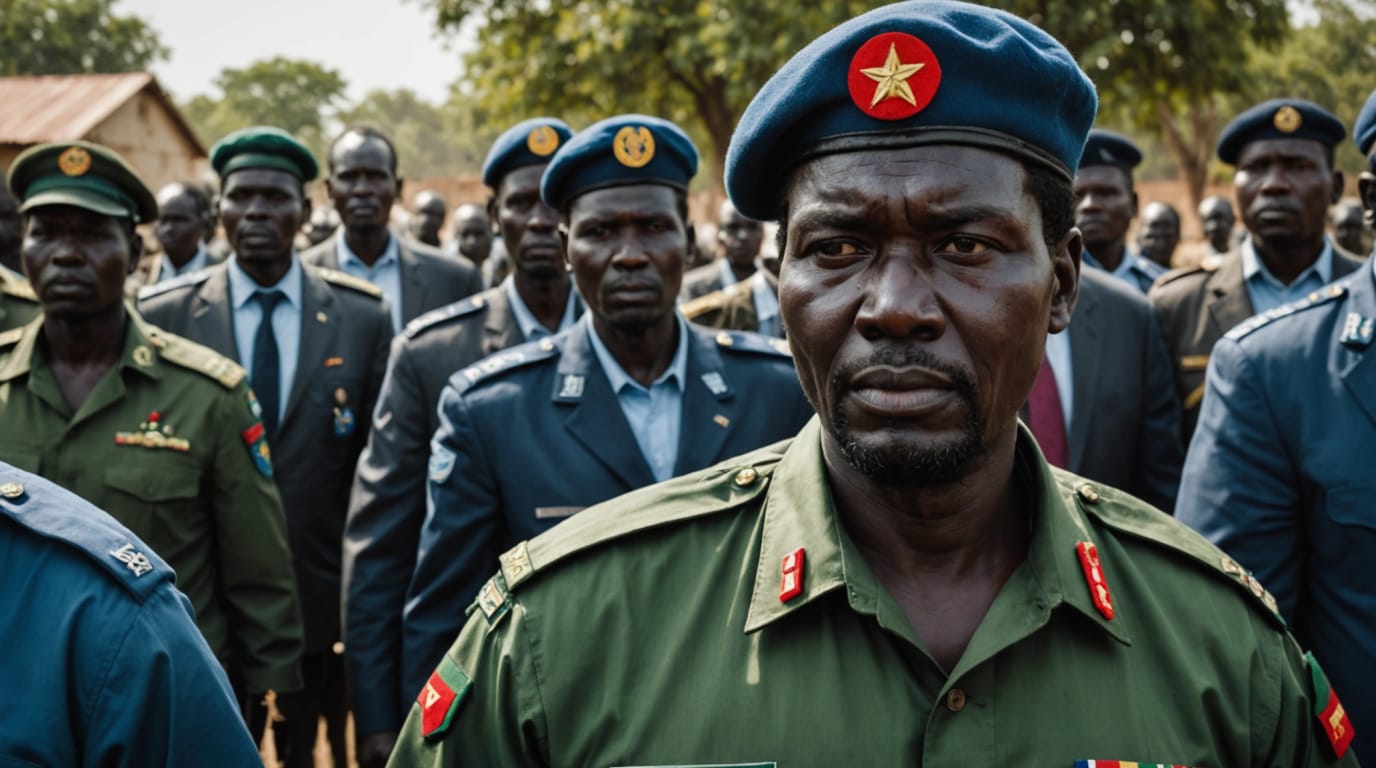
JUBA, South Sudan – South Sudan is facing renewed instability as government forces have arrested a minister and a high-ranking general, both allies of First Vice President Riek Machar. These actions have heightened tensions and sparked concerns about the future of the already fragile 2018 peace agreement that ended a brutal civil war.
The arrests come amid escalating security concerns in the country, particularly in Nasir, and Western Equatoria, and follow a high-level presidential meeting convened to address the deteriorating situation.
Key Arrests and Reactions
On Tuesday, General Gabriel Duop Lam, the deputy chief of defense forces for the South Sudan People's Defence Forces (SSPDF) and chief of staff of the Sudan People's Liberation Army-In Opposition (SPLA-IO), was detained at his residence in Juba. Sources indicate that two other senior SPLA-IO officers, including the deputy chief of the National Security Services (NSS), Gen. Yei Dak, were also arrested.
Adding to the turmoil, Petroleum Minister Puot Kang Chol, another Machar ally, was arrested in a pre-dawn raid on his residence Wednesday. The reasons for the arrests remain officially undisclosed, fueling speculation and anxiety.
Machar's spokesperson, Pal Mai Deng, condemned the arrests, stating that they violate the revitalized peace agreement and cripple the Joint Defense Board, a vital institution responsible for command and control of all forces. Deng warned that these actions erode confidence and trust among the parties and put the entire agreement at risk.
Security Concerns and Militia Activity
The arrests occurred in the wake of increased tensions and militia activity in several regions. Armed youth, known as the White Army, captured an SSPDF base in Nasir County of South Sudan's Upper Nile State, following weeks of tensions over the SSPDF's alleged disarmament plan. The SSPDF has accused Duop Lam and his troops of working with these rebels, who are predominantly from the same ethnic Nuer community.
The UN Mission in South Sudan reported increased fighting between the army and armed youth in Nassir county in Upper Nile, involving heavy weaponry.
Implications for the Peace Agreement
The 2018 peace agreement, formally known as the Revitalized Agreement on the Resolution of the Conflict in South Sudan, ended a five-year civil war between President Salva Kiir and Riek Machar. The conflict, triggered by political rivalry, resulted in an estimated 400,000 deaths and displaced millions.
The power-sharing agreement between Kiir and Machar was intended to bring stability and pave the way for elections. However, implementation has been slow, and many critical steps, including the holding of elections, have been repeatedly delayed due to a lack of funds. Elections that were scheduled for last year have been postponed by two years.
The recent arrests and escalating tensions threaten to unravel the progress made and plunge the country back into conflict. Observers fear that the actions could trigger a full-scale war.
Calls for De-escalation
Ter Manyang Gatwich, Executive Director of the Center for Peace and Advocacy, has called for the immediate release of those detained to avert further escalation of violence. Western envoys have also urged leaders to de-escalate the tension.
The international community has expressed concern over the situation. South Sudan has faced criticism for its human rights record, including crackdowns on media and activists. Amnesty International warned of a "new wave of repression" in the country, citing arrests of activists and journalists.
A Nation on Edge
South Sudan, the world's youngest nation, gained independence from Sudan in 2011. However, it has struggled with chronic instability, poverty, and violence. The country faces a dire humanitarian crisis, with millions in need of assistance. Years of conflict, intercommunal violence, food insecurity, and the climate crisis have exacerbated the situation.
The recent arrests of key figures and the surge in militia activity have created a volatile environment, raising fears of a return to widespread conflict. The future of the peace agreement and the stability of South Sudan hang in the balance.


