South Sudan Teeters on the Brink as Peace Efforts Falter
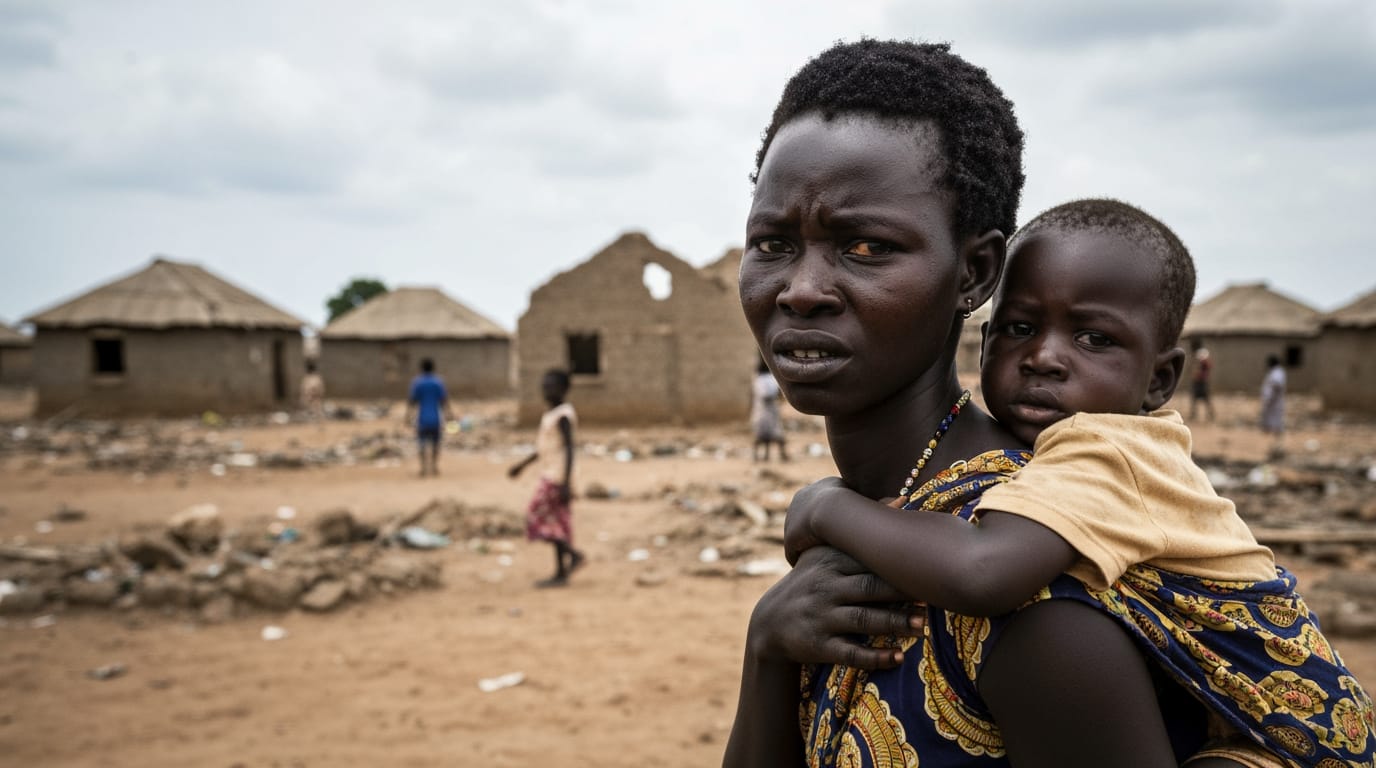
JUBA, South Sudan – South Sudan, the world's youngest nation, is once again confronting a critical juncture, with its fragile peace hanging by a thread and the specter of renewed widespread conflict looming large. Years after a devastating civil war, the Revitalized Agreement on the Resolution of the Conflict in South Sudan (R-ARCSS) – signed in 2018 to usher in an era of stability – remains largely unimplemented, fueling political paralysis, pervasive insecurity, and a deepening humanitarian crisis that threatens to plunge the nation back into full-scale warfare. The failure to meet critical milestones, coupled with escalating intercommunal violence and incendiary rhetoric from political figures, has raised urgent alarms among international observers and a weary populace yearning for lasting peace.
A Peace Accord Under Strain
The 2018 R-ARCSS was hailed as a comprehensive framework designed to end South Sudan's brutal five-year civil war, which claimed hundreds of thousands of lives and displaced millions. The agreement outlined a transitional period, power-sharing arrangements, and crucial reforms intended to pave the way for democratic elections and long-term stability. However, the path to peace has been fraught with delays and a palpable lack of political will from signatory parties. The transitional period, initially set to conclude with elections in December 2024, has been extended multiple times, most recently to December 2026, and the transitional government itself extended to February 2027. This continuous deferral stems from the slow pace of implementing key provisions and inadequate funding for the peace process.
Central to the R-ARCSS is the formation of a unified national army, police, and other security forces, intended to integrate former rival factions. While a first batch of over 20,000 members from former rival groups was graduated into unified forces in August 2022, progress has since stalled. Reports indicate that little advancement has been made in the unification and deployment of forces, with existing progress eroded by persistent clashes between government and opposition forces. This failure to establish a cohesive national security apparatus leaves the country vulnerable to fragmentation and exacerbates existing insecurities, preventing political parties with armed forces from being registered to participate in elections until they relinquish their forces.
Unfulfilled Reforms and Political Deadlock
Beyond security sector reform, critical legislative and institutional reforms mandated by the peace agreement have languished. The drafting of a permanent constitution, intended to replace the transitional 2011 constitution, has seen significant delays. A law governing the constitution-making process was enacted in December 2022, mandating a popular process and requiring ratification by a National Constitutional Conference, but the process itself has yet to fully materialize. The absence of a permanent constitution hinders the establishment of robust governance structures and legal frameworks essential for a stable democracy.
Weak governance and a lack of political accountability have been cited as major impediments to South Sudan's transition. The UN Commission on Human Rights in South Sudan noted that the diversion of national resources to corruption has stalled the peace process, further worsening an already dire human rights situation. In a concerning development, legislation adopted in July 2024 preserved the powers of detention for the National Security Service, despite recommendations to remove its authority to arrest and detain suspects. This move, coupled with reports of continued abuses, underscores a troubling disregard for basic human rights and bodes ill for prospects of a peaceful transition.
A Deepening Humanitarian Catastrophe
The prolonged political instability and ongoing localized violence have exacted a severe toll on the South Sudanese population, contributing to one of the world's most acute humanitarian crises. In 2024, an estimated 9.4 million people, including 5 million children, required humanitarian assistance. This represents approximately three-quarters of the nation's population. Factors such as conflict and insecurity, health epidemics, climate change-induced flooding, high inflation, and an influx of returnees and refugees from neighboring Sudan have exacerbated these needs.
The conflict in Sudan, which began in April 2023, has had a significant spillover effect, with nearly one million individuals, including almost 500,000 children, crossing into South Sudan as returnees and refugees by the end of 2024. This influx has placed immense strain on already limited resources and services. Food insecurity remains a critical concern, with 7.1 million people projected to face acute food insecurity by mid-2024, and 79,000 potentially experiencing famine-like conditions. Humanitarian operations themselves face significant challenges, including increased violence and threats against personnel, with over 400 incidents reported between January and November 2024.
The Perilous Path to Elections
With elections now postponed to December 2026, the international community and South Sudanese citizens express deep frustration at the apparent political paralysis. The electoral preparations remain significantly behind schedule, lacking a new constitution, political party registration, procurement of ballot papers, and adequate training and deployment of election officials. The lack of political will, a deficit of trust among parties, and unpredictable funding continue to hinder progress.
There are growing concerns that holding elections without adequate preparation and reforms could further destabilize the country. The UN Special Representative for South Sudan, Nicholas Haysom, emphasized that the only way forward is for leaders to urgently make compromises and take decisive steps to implement the peace agreement's benchmarks. Moreover, inflammatory rhetoric and calls for violence, particularly with ethnic undertones, pose a severe risk. UN experts have warned that such language by senior military figures and reports of force mobilization "significantly heighten the risk of mass violence against civilians." They underscore that military and civilian leaders who incite crimes or fail to prevent them could be held criminally responsible.
Conclusion: Averting Catastrophe
South Sudan stands at a precipice, with the promises of its independence and peace agreement jeopardized by political inertia and persistent conflict drivers. The international community, which has heavily invested in South Sudan's peace, continues to call for renewed commitment from all parties to the R-ARCSS. The cycle of violence, impunity for human rights abuses, and the struggle for resources and political power continue to undermine stability.
Ultimately, averting a return to widespread civil war requires urgent and concerted action. The path forward demands genuine political will to implement the outstanding provisions of the peace agreement, accelerate security and constitutional reforms, foster accountability for past and present abuses, and address the root causes of intercommunal tensions. Without these critical steps, the hopes of the South Sudanese people for a peaceful and prosperous future risk being extinguished, leaving them to face yet another chapter of devastating conflict.


