South Sudan Visa Dispute Exposes Diplomatic Rift with U.S.
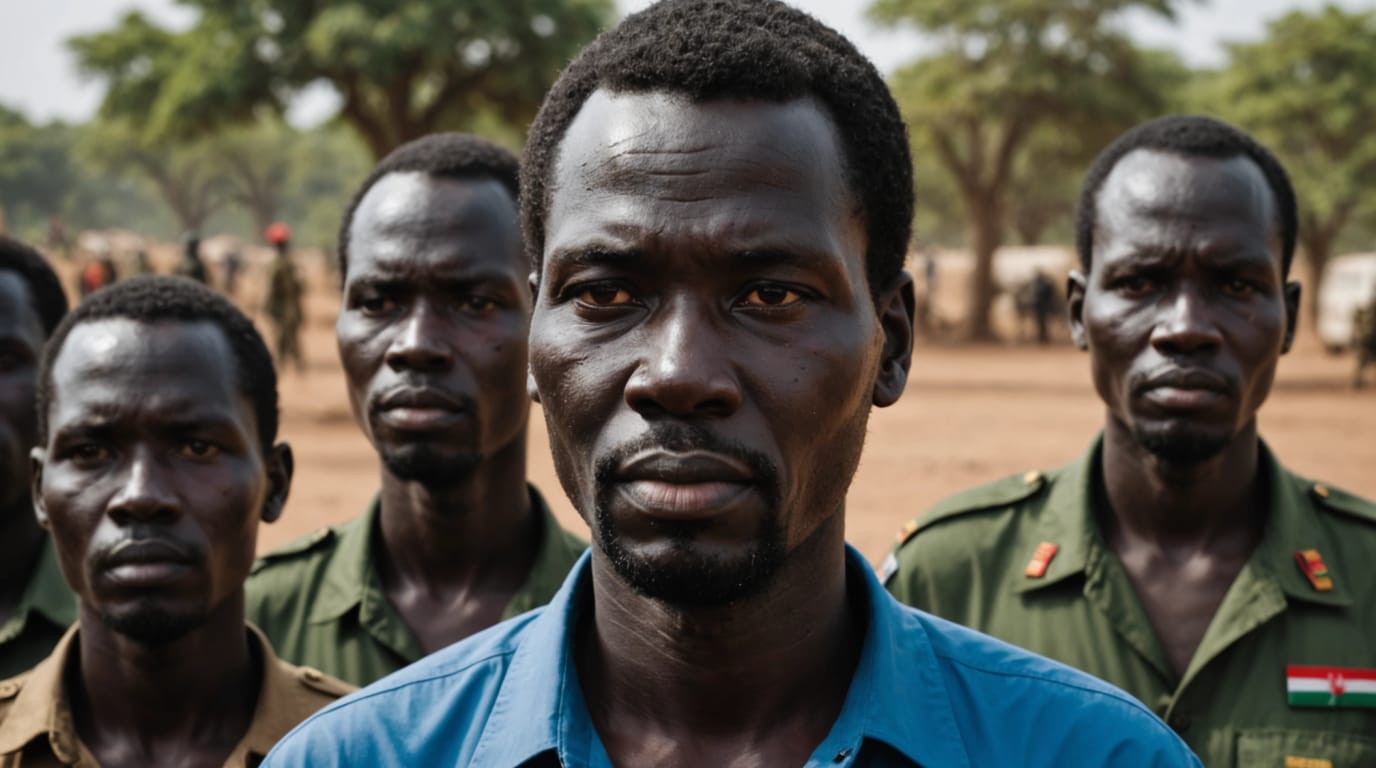
A sweeping decision by the United States to revoke all visas held by South Sudanese passport holders has ignited a diplomatic firestorm, exposing a growing divide between the two nations. The move, ostensibly triggered by South Sudan's alleged failure to accept the timely return of its citizens being deported from the U.S., has been met with strong condemnation from the South Sudanese government, which claims the action is unfair and based on a case of mistaken identity. The dispute unfolds against a backdrop of escalating internal tensions in South Sudan, raising concerns about the potential impact on the fragile peace process and the well-being of its citizens.
The Visa Revocation
Secretary of State Marco Rubio announced the visa revocation, stating that the South Sudanese government was not cooperating in accepting its citizens back from the United States. Deputy Secretary of State Christopher Landau said the dispute centers on one person that Juba has refused to accept. The U.S. government has not released the name of the individual. The decision means South Sudanese citizens could be returned to a nation again on the brink of civil war or unable to seek the U.S. as a haven.
The South Sudanese government responded swiftly, asserting that the individual in question was not a South Sudanese national but a citizen of the Democratic Republic of Congo. According to South Sudan's Foreign Ministry, the individual was returned to the U.S. along with supporting evidence shared with American officials. "The government deeply regrets that despite this history of collaboration and partnership, South Sudan now faces a broad revocation of visas based on an isolated incident involving misrepresentation by an individual who is not a South Sudanese national," the ministry said in a statement.
South Sudan's Perspective
South Sudan's Information Minister Michael Makuei Lueth told The Associated Press that the U.S. was "attempting to find faults with the tense situation" in the country, arguing that no sovereign nation would accept foreign deportees. The government maintains that it has been cooperative in accepting its own citizens and that the U.S. decision is disproportionate and unjustified.
The visa revocation has sparked outrage among many South Sudanese, who view it as a collective punishment that disregards the complex realities facing their country. Some argue that the U.S. is unfairly targeting South Sudan while overlooking its own role in the country's challenges.
U.S. Interests and Concerns
The U.S. government has not yet responded to South Sudan's claims regarding the deported individual's nationality. However, the decision to revoke all visas suggests a broader concern about South Sudan's cooperation on immigration matters.
Some analysts believe that the visa revocation may also be a way for the U.S. to exert pressure on the South Sudanese government to address other issues, such as human rights abuses and corruption. The U.S. has been a major donor to South Sudan since its independence in 2011, but has grown increasingly critical of the government's failure to deliver basic services and address the root causes of conflict.
Impact on South Sudanese Citizens
The visa revocation has created uncertainty and anxiety for South Sudanese citizens living in the United States. It is not immediately clear how many South Sudanese hold U.S. visas, but the decision could affect students, professionals, and individuals seeking medical treatment.
The move also raises concerns about the potential for South Sudanese citizens to be deported back to a country facing renewed instability. The peace agreement is on the brink of collapse, making this a terrible moment for indiscriminately repatriating citizens. Competition between President Salva Kiir and deputy Riek Machar is the central drama in South Sudanese politics, which triggered the first civil war and threatens to do so again.
Regional and International Implications
The visa dispute comes at a critical time for South Sudan, which is struggling to implement a fragile peace agreement and address a range of economic and humanitarian challenges. The U.N. warned in March that South Sudan was teetering on the edge of renewed civil war.
The U.S. decision could further complicate the situation by undermining confidence in the peace process and emboldening hardliners on both sides of the conflict. It could also strain relations between the U.S. and other countries in the region, some of which may view the visa revocation as an overreach of American power.
A Precarious Future
The visa dispute between the U.S. and South Sudan highlights the complex and often fraught relationship between the two countries. While the U.S. has been a long-time supporter of South Sudan, it has also grown increasingly frustrated with the government's failures and its inability to resolve internal conflicts.
The visa revocation is a stark reminder of the challenges facing South Sudan as it struggles to build a stable and prosperous future. The country's leaders must find a way to bridge their differences and address the root causes of conflict if they hope to avoid a return to civil war. The international community, including the U.S., must also play a constructive role in supporting the peace process and providing humanitarian assistance to the South Sudanese people.


