Southeast Asia Grapples with Surge in Power Theft by Illicit Crypto Miners
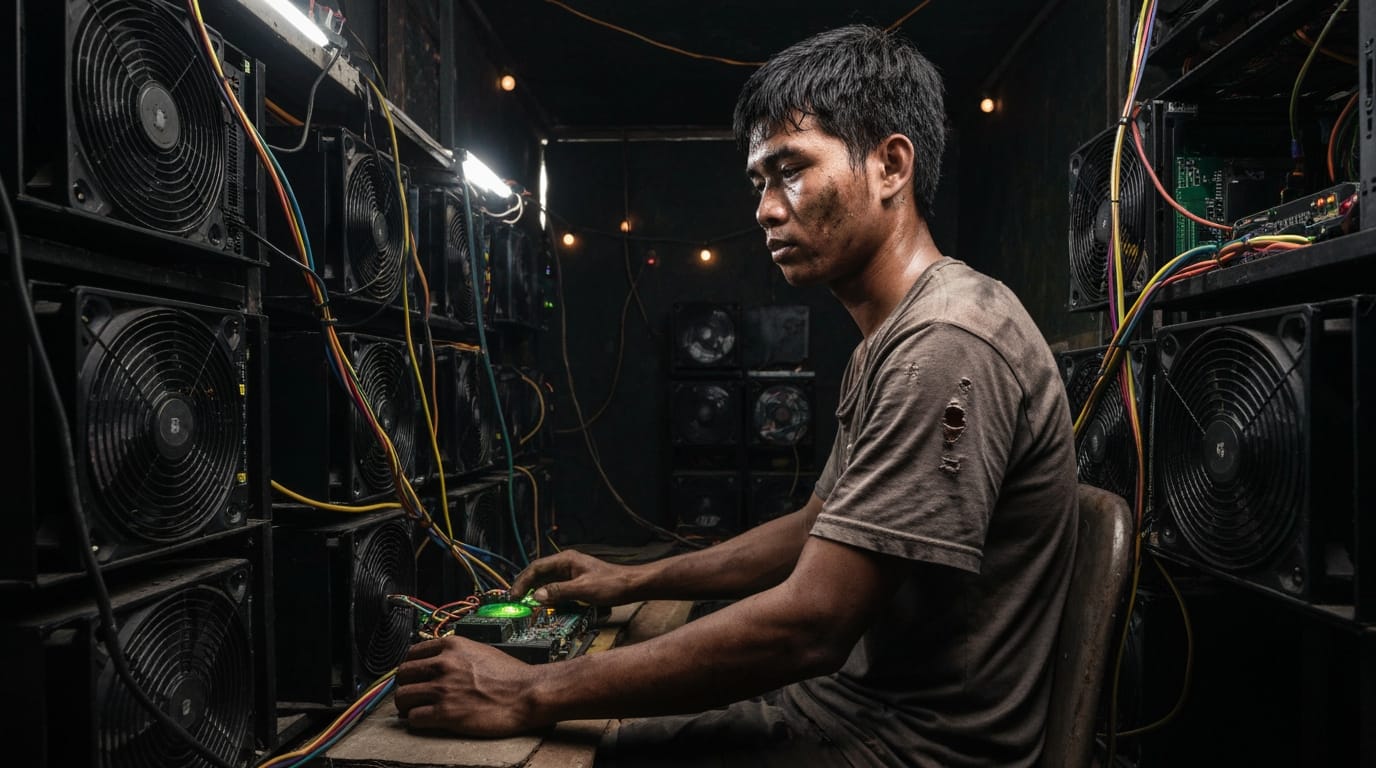
Bangkok, Thailand & Kuala Lumpur, Malaysia – A burgeoning wave of illegal cryptocurrency mining operations is sweeping across Southeast Asia, siphoning vast quantities of electricity from national grids and costing utility providers hundreds of millions, if not billions, of dollars annually. The energy-intensive nature of crypto mining, combined with attractive profit margins and the relative ease of electricity theft, has fueled a pervasive illicit industry that poses significant threats to economic stability, public safety, and energy infrastructure in countries like Malaysia and Thailand.
The Allure of Illicit Gains and the Scale of the Problem
The high energy demand inherent in cryptocurrency mining creates a powerful incentive for illegal activities. Bitcoin mining, for instance, requires specialized hardware to run continuously, consuming immense amounts of electricity to solve complex computational puzzles and validate transactions. With electricity being the primary operating cost, bypassing legitimate meters offers a direct path to maximized profits. This economic driver has transformed power theft into a sophisticated criminal enterprise across the region.
The scale of these illicit operations is staggering. In Malaysia, the national utility provider Tenaga Nasional Berhad (TNB) reported staggering losses exceeding $1 billion from electricity stolen by crypto miners between 2020 and August 2025. Over this period, TNB identified 13,827 premises illegally siphoning power. Similarly, Thai authorities recently uncovered an illegal Bitcoin mining network responsible for an estimated 280 million baht (approximately $7.6 million USD) in stolen electricity. These figures represent a fraction of the true economic damage, underscoring the systemic challenge faced by regional governments and power companies.
The problem escalated significantly after China banned cryptocurrency mining in 2021. This crackdown led some miners to relocate to Southeast Asian countries, drawn by the promise of cheaper electricity and less stringent regulations at the time. While some nations, like Laos, initially explored public-private partnerships for crypto mining, they have since reconsidered due to the lack of broader economic benefits and excessive energy consumption during dry seasons. This shift highlights a growing skepticism among Southeast Asian governments regarding the benefits of the industry, particularly when it strains national resources.
The Mechanics of Theft: Bypassing the Grid
Illicit crypto miners employ various methods to steal electricity, often involving intricate and dangerous modifications to power infrastructure. The most common techniques include tampering with or completely bypassing legitimate electricity meters. This allows them to draw power without it being accurately recorded or billed. In some cases, miners directly tap into main power supply lines, even high-voltage distribution systems, to operate their equipment undetected.
These operations are frequently set up in discreet locations such as abandoned houses, unoccupied properties, or rented shop lots, rented through third parties, making detection more challenging for authorities. Once established, the mining rigs run around the clock, generating substantial heat and noise. To further evade detection, some illicit miners resort to counter-surveillance techniques, including using heat shields to mask the thermal output of their rigs and installing robust security measures at their sites.
For instance, a recent raid in Thailand uncovered an illegal operation that connected directly to a 22-kilovolt power distribution system, bypassing meters entirely to avoid electricity charges. Operators of such schemes might pay only a minuscule fraction of their actual consumption, sometimes as low as 10,000 to 25,000 baht monthly for an operation that would legitimately cost around 22 million baht. In Malaysia, a syndicate in Johor was found to have bypassed Tenaga Nasional Berhad (TNB) meters, generating between RM80,000 and RM100,000 (approximately $17,000 to $21,000 USD) in cryptocurrency profits within a month, while incurring estimated monthly losses of RM67,502.30 for the utility company.
Dire Consequences: Economic, Environmental, and Safety Hazards
The ramifications of widespread electricity theft for crypto mining extend far beyond financial losses for utility companies. These illicit activities pose severe threats to the stability and safety of national power grids. Non-standard and illegal electrical connections can overload existing infrastructure, increasing the risk of short circuits, equipment damage, and devastating fires. The excessive energy draw through uninspected wiring creates hazardous conditions that endanger both the operators and the surrounding communities.
Moreover, the strain on power grids can lead to localized blackouts and disruptions, affecting legitimate businesses and residential consumers. The sheer volume of energy consumed by these illicit operations also raises environmental concerns, particularly in regions that rely on fossil fuels for electricity generation. The energy ministry in Malaysia has emphasized that this activity poses a serious threat to the national electric supply system and public safety, jeopardizing the country's economic stability. Furthermore, authorities indicate that these illegal mining networks are often intertwined with transnational criminal organizations involved in money laundering, online gambling, and various cyber scams, adding a layer of complex criminal activity to the issue. The United Nations Office on Drugs and Crime reported that transnational criminal groups are increasingly using illegal crypto mining as a "powerful tool" to launder billions in illicit proceeds.
A Concerted Crackdown: Authorities Strike Back
Governments and law enforcement agencies across Southeast Asia are intensifying their efforts to combat this growing threat. Coordinated raids, arrests, and policy adjustments are becoming increasingly common as authorities seek to dismantle these illicit networks.
In Malaysia, the crackdown has been particularly robust. Since January 2022, Malaysian authorities have conducted over 3,000 raids, confiscating 75,578 cryptocurrency mining machines and arresting 629 individuals. Recent operations include the seizure of 73 mining machines and the arrest of two men in Tronoh, Perak, for using stolen electricity. Another significant raid in Johor led to the arrest of three men and the confiscation of 71 mining machines from a syndicate that had operated for only a month. These enforcement actions often involve collaboration between local police, the national utility provider TNB, and the Energy Commission. TNB has implemented advanced detection technology and developed internal databases of suspicious premises to improve monitoring and identification of illegal sites.
Thailand is also escalating its response. Prime Minister Anutin Charnvirakul personally announced the results of "Operation Silent Volt," a major crackdown that led to the seizure of more than 1,900 Bitcoin mining machines worth approximately 200 million baht (about $5.4 million USD) during coordinated raids in Samut Sakhon and Nakhon Pathom provinces. The Prime Minister has ordered relevant agencies to expand investigations, prosecute those involved, and identify financial backers of these networks. Additionally, the Customs Department has been instructed to tighten regulations and scrutinize the import of Bitcoin mining equipment to prevent its use in illegal operations. Thailand's Department of Special Investigation (DSI) has linked illegal mining farms to transnational networks of "grey" Chinese investors, implicating government officials and exposing broader money laundering schemes with an estimated annual turnover of 10 billion baht.
Conclusion
The battle against illegal crypto mining and electricity theft in Southeast Asia is a complex and ongoing challenge. The substantial profits to be made, coupled with the energy-intensive nature of the activity, continue to attract criminal elements. However, the increasing sophistication of detection methods, coordinated law enforcement efforts, and a growing recognition of the severe economic and safety risks are leading to more frequent and impactful crackdowns. As governments move towards more regulated approaches to cryptocurrency, the imperative to safeguard national infrastructure and ensure public safety remains paramount, signaling a future where such illicit activities face increasingly formidable resistance.


