Southeast Asia Turns to Nuclear Power Amidst Rising Energy Demands and Climate Concerns
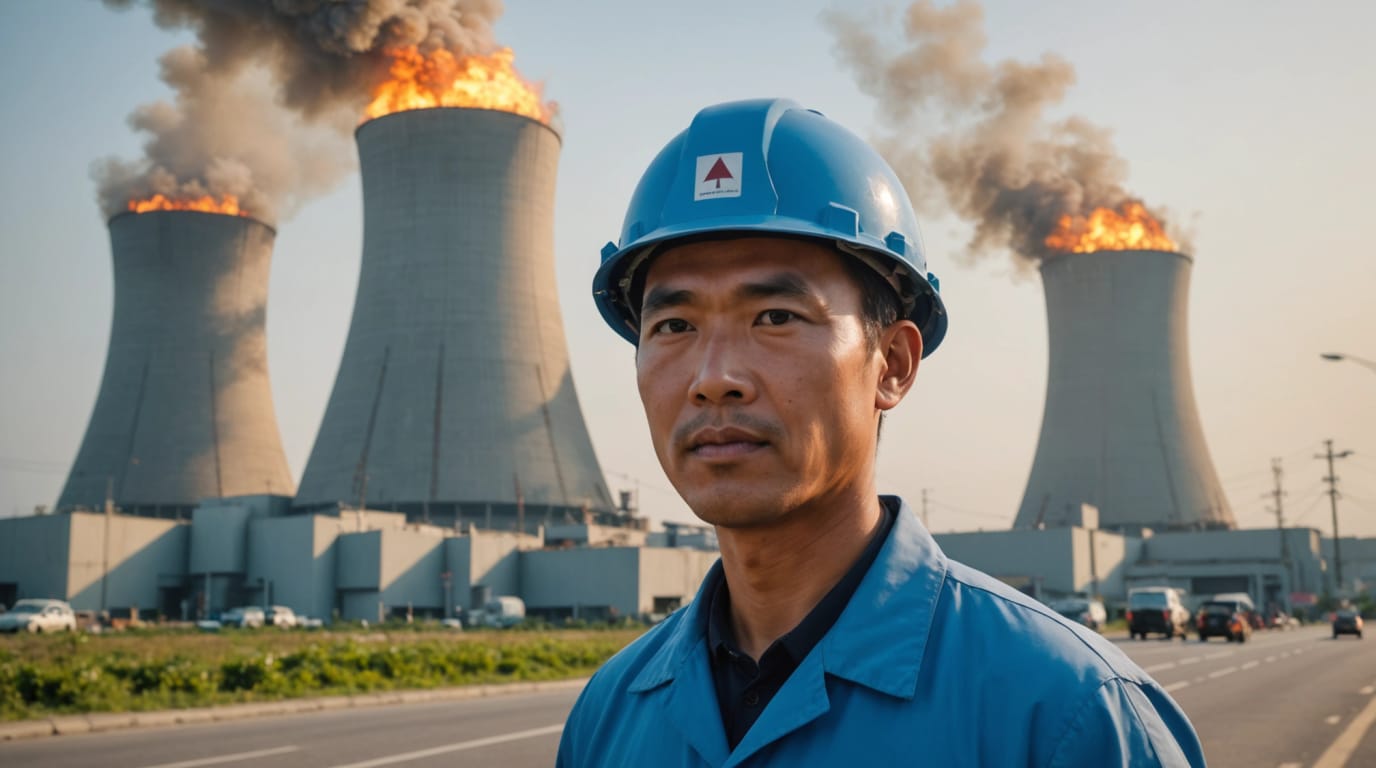
Southeast Asia, a region marked by rapid economic growth and increasing vulnerability to climate change, is increasingly turning to nuclear power as a crucial component of its future energy mix. Driven by surging electricity demand, ambitious carbon neutrality goals, and concerns over energy security, nations across the region are actively exploring nuclear energy, including small modular reactors (SMRs), despite historical skepticism and safety concerns.
The Growing Energy Crisis
Southeast Asia's energy demands are rapidly increasing. The region's electricity demand is projected to grow at an annual rate of 4%, potentially doubling by 2050. This surge is fueled by expanding economies, growing populations, rapid urbanization, increased manufacturing, and greater use of air conditioning due to more frequent heatwaves. This escalating demand necessitates a diversification of energy sources to ensure a stable and reliable power supply.
Currently, Southeast Asia relies heavily on fossil fuels, particularly coal and natural gas, which account for a significant portion of its energy mix. While this reliance has supported economic growth, it has also led to increased air pollution, carbon emissions, and vulnerability to fluctuating global energy prices. Several countries in the region are becoming net importers of energy, further highlighting the need for secure and diversified energy sources.
The Allure of Nuclear Energy
Nuclear energy is viewed by many in Southeast Asia as a viable solution to address these challenges. Proponents argue that nuclear power offers a stable, low-carbon source of baseload electricity, which is essential for grid stability and complements intermittent renewable energy sources like solar and wind. Nuclear power plants do not emit greenhouse gases during operation, making them an attractive option for countries committed to reducing their carbon footprint.
Several Southeast Asian nations have set ambitious carbon neutrality and net-zero emissions targets. Thailand, for example, aims to achieve carbon neutrality by 2050 and net-zero emissions by 2065. Nuclear energy is seen as a key contributor to achieving these goals by providing a clean alternative to fossil fuels.
Key Players and Their Plans
Several countries in Southeast Asia are actively pursuing nuclear energy development:
- Indonesia: Southeast Asia's largest economy, Indonesia, aims to commission its first SMR as early as 2030 and has identified 29 potential sites for nuclear facilities. The country plans to increase its nuclear power generation capacity to between 45 and 54 gigawatts (GW) in the long term.
- The Philippines: The Philippines is exploring the revival of the mothballed Bataan Nuclear Power Plant and considering the development of SMRs. The country aims to generate 1.2 GW of nuclear power by 2032.
- Thailand: Thailand's power development plan includes the adoption of SMRs, with plans to build a power plant by 2036. The country is actively engaging in international nuclear agreements to gain knowledge, technology, and support.
- Vietnam: Vietnam is conducting research and plans to have a small-scale nuclear reactor after 2030. The country has signed a deal with Russia on atomic energy cooperation.
Other countries, including Laos, Cambodia, and Myanmar, have also expressed interest in nuclear power as part of their long-term energy planning. Singapore, while not having made a decision on nuclear energy, has invested resources in nuclear research.
Small Modular Reactors (SMRs): A Game Changer?
Small modular reactors (SMRs) are gaining traction in Southeast Asia due to their potential to address some of the challenges associated with traditional nuclear power plants. SMRs are smaller in size, can be built faster and at a lower cost, and can be scaled to fit the needs of a particular location. Advocates say they are safer due to simpler designs, lower core power, and more coolant, giving operators more time to respond in case of accidents.
However, critics question how inexpensive the technology might be since smaller reactors have not been widely commercially deployed. The cost of the first SMR that was to be commercially deployed in the U.S. inflated by about half before it was cancelled.
Overcoming Challenges and Concerns
Despite the growing interest in nuclear power, Southeast Asia faces several challenges and concerns:
- Safety Concerns: The Fukushima nuclear accident and the Chernobyl disaster have raised worries about nuclear safety, leading some countries to halt or delay their nuclear power plans. Public acceptance of nuclear power depends on how well nuclear waste and radiation-contaminated materials are handled.
- High Costs: Nuclear power plants are expensive to build and take years to become profitable. Vietnam suspended a nuclear project in 2016 after costs soared to $18 billion.
- Lack of Expertise: Some countries, like Vietnam, lack trained engineers and scientists to support a nuclear program.
- Regulatory Hurdles: Developing robust nuclear energy policies and regulations, which are currently lacking in many countries, is essential to reassure investors and gain public acceptance.
- Waste Disposal: Safely disposing of spent fuel and other radioactive waste is essential to gain public acceptance of nuclear power.
- Geopolitical Risks: Markets for nuclear technologies remain concentrated in a few countries, with Russia controlling a significant portion of the world's supply of enriched uranium.
The Path Forward
To successfully integrate nuclear power into their energy mix, Southeast Asian nations need to address these challenges through:
- Strengthening regulatory frameworks: Establishing clear and comprehensive regulations for nuclear safety, security, and waste management.
- Investing in human capital: Developing education and training programs to build a skilled workforce in the nuclear sector.
- Enhancing public engagement: Communicating the benefits and risks of nuclear power to the public and addressing their concerns.
- Seeking international cooperation: Collaborating with international organizations and other countries to gain access to technology, expertise, and financing.
- Promoting transparency: Ensuring transparency in the development and operation of nuclear facilities to build public trust.
Conclusion
Southeast Asia's pursuit of nuclear power reflects a growing recognition of the need for diversified, reliable, and low-carbon energy sources. While challenges remain, the region's commitment to addressing climate change, ensuring energy security, and supporting economic growth is driving a renewed interest in nuclear energy. By carefully addressing safety concerns, investing in infrastructure and expertise, and fostering international cooperation, Southeast Asia can potentially unlock the benefits of nuclear power and transition to a cleaner and more sustainable energy future.


