Southeast Asia Turns to Russian Oil Amid Deepening Energy Crisis
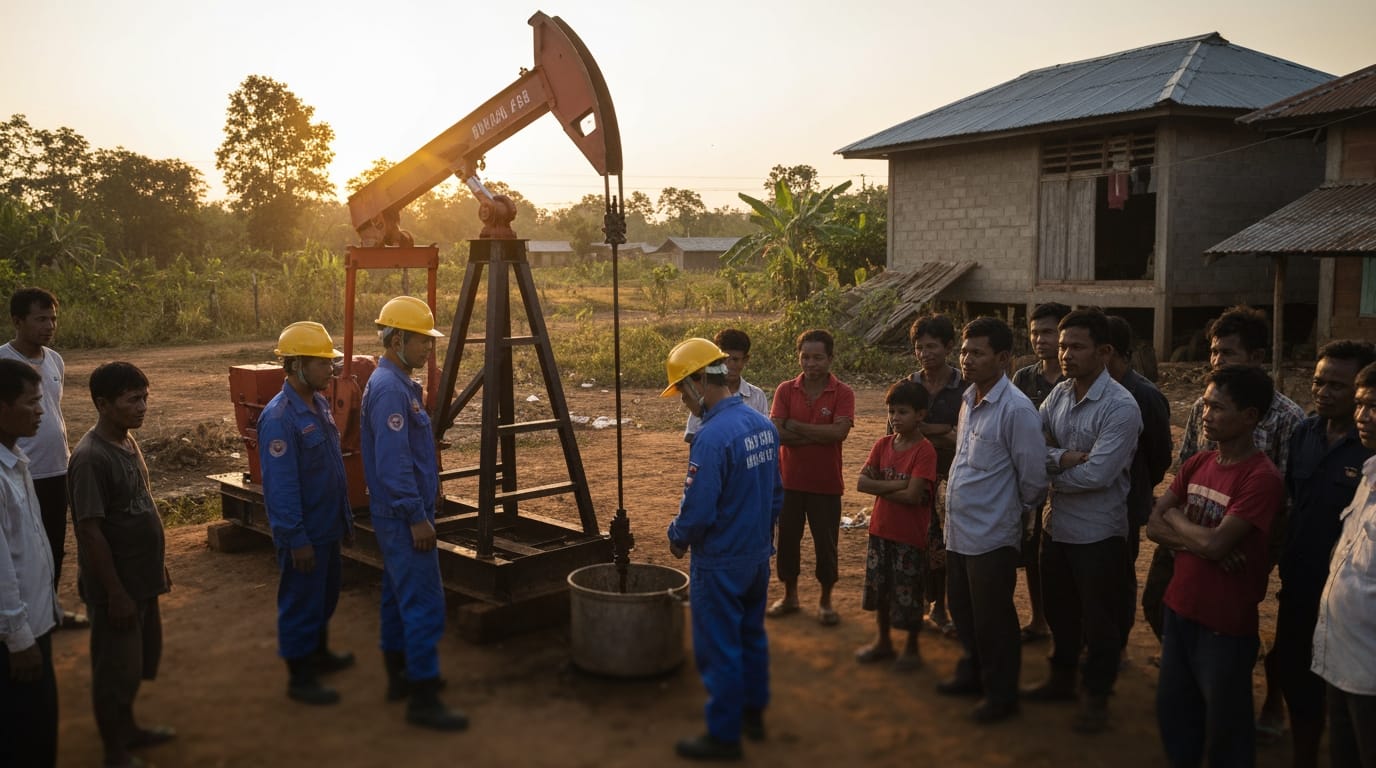
Kuala Lumpur, Malaysia – A severe energy crisis, exacerbated by recent disruptions in Middle Eastern supply routes, is compelling several Southeast Asian nations to increasingly turn to Russia for crude oil and other energy commodities, fundamentally reshaping regional alliances and challenging Western efforts to isolate Moscow. This strategic shift sees countries like Indonesia, the Philippines, Malaysia, Thailand, and Vietnam prioritizing immediate energy security and economic stability over potential geopolitical ramifications from Western partners.
The pivot toward Russian energy comes as the Strait of Hormuz, a critical maritime chokepoint for approximately one-fifth of the world's oil supply, faces continued disruptions due to escalating tensions in the Middle East. This instability has triggered acute fuel shortages, surging prices, and severe economic strain across import-dependent Southeast Asian economies, pushing them to seek alternative, readily available sources.
The Scramble for Secure Supplies
The escalating conflict in the Middle East has created an immediate and severe energy shock for Southeast Asia. Nations heavily reliant on imports from the Gulf region, which accounts for over half of their oil and gas needs, have found themselves in a precarious position. Reports indicate that the Philippines declared a national energy emergency following a doubling of gasoline prices, while Indonesia and Vietnam have introduced energy rationing. Thailand's vital fisheries sector has also faced shutdowns due to soaring marine fuel costs. This dire situation has made energy security a paramount concern, driving governments to re-evaluate traditional supply chains and diplomatic allegiances.
In response, a growing number of Association of Southeast Asian Nations (ASEAN) member states have either initiated or are actively pursuing energy deals with Russia. The Philippines, a long-standing U.S. ally, recently imported Russian crude for the first time in five years, securing nearly 2.5 million barrels in March after Middle Eastern shipments were canceled. Indonesia has signaled plans to import up to 150 million barrels of Russian crude, a decision framed as a strategic reserve-building measure to buffer against economic volatility. Malaysia's Prime Minister Anwar Ibrahim also indicated that national oil company Petronas would negotiate oil purchases from Russia to ensure sufficient domestic supply. Even Thailand is reportedly in discussions with Russia for potential crude purchases and fertilizer agreements.
Russia's Strategic Pivot and ASEAN's Pragmatism
For Russia, the turn to Southeast Asia represents a significant win amidst ongoing Western sanctions targeting its energy sector. Following its exclusion from Western markets after the 2022 invasion of Ukraine, Russia has accelerated its "pivot to Asia," seeking new buyers and strengthening economic ties with countries willing to engage. This eastward shift has seen Russia's exports of mineral fuels and energy products to ASEAN nearly double between 2020 and 2024, rising from approximately C$5.91 billion to C$11.63 billion.
The urgency for Moscow to find alternative markets is expected to intensify, particularly with the European Union's impending ban on Russian liquefied natural gas (LNG) in early 2027. Russia is not only offering oil but also seeking to bolster cooperation in other strategic sectors, including nuclear technology, logistics, and trade. Vietnam, for instance, has accelerated cooperation with Russia on a long-delayed nuclear power project and signed agreements for oil and gas cooperation. Myanmar has also increased its imports of Russian oil significantly and is developing energy infrastructure projects with Russian firms.
Southeast Asian nations, facing critical domestic shortages, are making decisions based on immediate economic necessity rather than geopolitical alignment. The availability of Russian oil, often at discounted prices due to sanctions, presents an attractive option for countries struggling to meet their energy demands. A temporary waiver issued by the U.S. Treasury Department, allowing the purchase of Russian oil already loaded on vessels, has provided a window of opportunity for these transactions, although experts note it has also provided Russia with substantial financial rewards.
Key Players and Emerging Trade Dynamics
Singapore has emerged as a significant player in this evolving landscape, remaining Southeast Asia's largest purchaser of Russian energy commodities despite publicly condemning Russia's invasion of Ukraine. The city-state's imports have more than tripled since 2020, exceeding C$6 billion in 2024. Singapore also benefits from its role as a key trading and refining hub, blending sanctioned Russian oil with other sources before redistributing the "blended product" at a margin.
Indonesia, not traditionally a major Russian crude importer, has made a notable commitment to purchase up to 150 million barrels, indicating a broader regional anxiety about energy security. This move also signals Indonesia's desire to assert its non-aligned foreign policy status. The Philippines, spurred by canceled Middle Eastern crude shipments, has also turned to Russia, marking its first Russian oil import in five years.
However, the competition for Russian crude is intense. Larger buyers such as China and India continue to dominate Russian export flows, potentially limiting the availability for smaller Southeast Asian markets. India alone imported approximately 2.25 million barrels per day of Russian crude in March 2026, nearly doubling its February volumes. Analysts note that Russia is already operating near its export peak, and external factors like the war in Ukraine and drone strikes on Russian energy facilities further complicate its export capabilities.
Geopolitical Implications and Future Challenges
The increasing reliance on Russian energy has not gone unnoticed by Western powers. European Union foreign policy chief Kaja Kallas explicitly urged ASEAN nations to avoid purchasing Russian oil, warning that such deals help fund Russia's war in Ukraine. Kallas emphasized that while Southeast Asian countries face an energy crisis, they must also consider the "big picture" of continuing the war.
Despite these warnings, Southeast Asian leaders appear to be prioritizing their domestic considerations. As one analyst noted, "From the comforts of Europe, they cannot demand that we think about Ukraine." This approach, while addressing immediate energy needs, could test Malaysia's "carefully calibrated non-alignment" and raise questions about the reliability of some Southeast Asian nations as strategic partners for the West.
Moreover, while Russian oil offers short-term relief, experts caution that the overall economic benefit might be reduced due to longer shipping distances, elevated freight and insurance costs, and potential refining adjustments. There are also long-term concerns that continued reliance on Russia for energy could increase Moscow's leverage in bilateral relations and create tension with traditional Middle Eastern partners.
Ultimately, Southeast Asian nations find themselves navigating a complex geopolitical landscape, balancing immediate energy needs with strategic independence and global allegiances. The current energy crisis has undeniably positioned Russian oil as a crucial, albeit complicated, lifeline for the region, a trend likely to persist as long as global energy markets remain volatile.


