Southern France Grapples with Devastating Flooding as Extreme Weather Intensifies
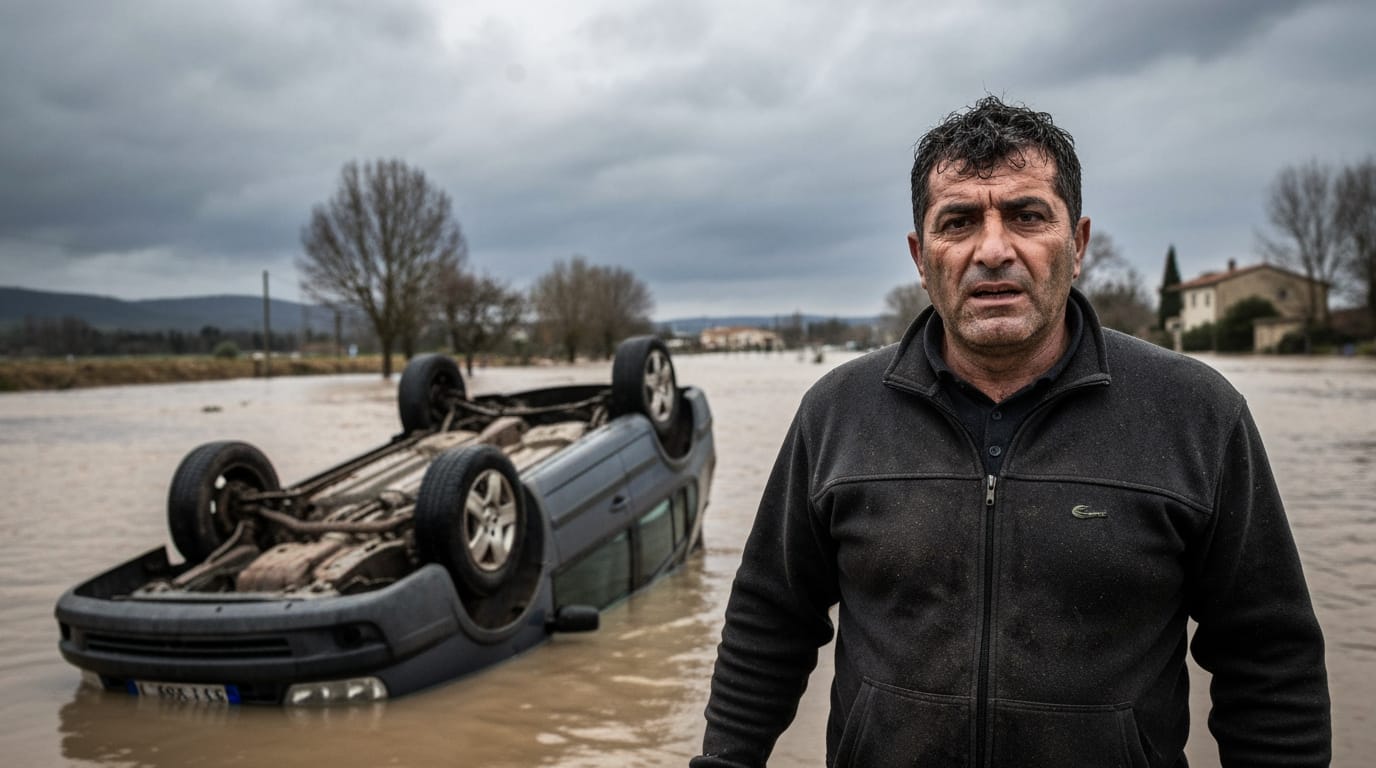
Montpellier, France – Torrential rains have once again unleashed severe flooding across southern France, plunging multiple departments into crisis just days before Christmas. The Hérault department has been placed under the highest level of red alert for flooding, with vast swathes of the region, including the major city of Montpellier, experiencing widespread disruption, power outages, and emergency evacuations. This latest deluge, characterized by meteorologists as a "Mediterranean episode," underscores a disturbing pattern of increasingly frequent and intense extreme weather events battering the country's southern coast and interior.
Current Deluge: Hérault Under Red Alert
The current crisis escalated dramatically over the past three days, with parts of southern France receiving approximately 300 millimeters of rain, and an additional 30 to 50 millimeters forecast for Tuesday as stormy conditions persist. In the Hérault department, the rapid rise of the Hérault river to 3.56 meters broke 30-year records, leading to extensive overflows. The region's emergency services have been overwhelmed, responding to around 1,000 callouts, primarily to rescue drivers trapped in their vehicles on submerged roads.
Montpellier, a significant urban center, has been particularly hard-hit. Streets and public areas are inundated, tram tracks are completely submerged, and public transport services have faced serious disruptions. As a precautionary measure, the city has closed public parks, gardens, cemeteries, and even its Christmas market. Approximately 1,000 residents in Hérault lost electricity overnight, with about half of those outages occurring in Montpellier alone. Emergency shelters have been established to accommodate displaced individuals, reflecting the immediate human impact of the unfolding disaster. Neighboring departments, including Lozère, Aveyron, and Tarn, also remain under orange alert for river flooding and icy road conditions, signaling a broader regional challenge.
A Year of Relentless Storms: 2025's Violent Episodes
The current flooding in Hérault is not an isolated incident but rather the latest in a series of severe weather events that have plagued southern France throughout 2025. Just months prior, in May 2025, the Var region in southeastern France experienced devastating floods and hailstorms that claimed three lives. An elderly couple in their 80s tragically perished in Le Lavandou when their car was swept away by floodwaters, a scene the town's mayor described as "war-like" due to the "truly violent, nasty, incomprehensible phenomenon." Another individual died after being trapped in a vehicle in Vidauban. The storms caused widespread damage to critical infrastructure, including roads, bridges, and power networks, leaving 600 homes without electricity and prompting hundreds of emergency calls.
Furthermore, in September 2025, a powerful Mediterranean storm unleashed widespread chaos across southeastern France. Departments such as Bouches-du-Rhône, Drôme, Isère, Vaucluse, and Var reported significant rainfall, with Avignon receiving up to 127 millimeters and Toulon nearly 113 millimeters in a single hour. This event led to extensive power outages, affecting up to 50,000 homes in Var alone, and disrupted daily life with numerous rescue operations undertaken by firefighters. These recurrent incidents highlight the region's increasing vulnerability to extreme hydrological events.
2024's Legacy: Destructive Floods and Missing Persons
The year 2024 also witnessed multiple, significant flooding episodes across the south of France, leaving a trail of destruction and human tragedy. In March 2024, Storm Monica brought exceptionally heavy rainfall, exceeding 300 millimeters in 48 hours in some areas, leading to severe flooding in Gard, Ardèche, and Var departments. This event tragically resulted in five confirmed deaths and left seven people missing. Rescue efforts were launched after individuals were swept away by floodwaters, including a family of four whose vehicle was engulfed by the Gardon river.
Later in October 2024, central and southeastern France endured what was described as the most significant flooding in 40 years for parts of the central region. Torrential rains delivered up to 700 millimeters (27.5 inches) in 48 hours to areas of Ardèche and Lozère, triggering widespread inundation that led to the evacuation of over 1,000 people. Roads were impassable, and rail services between major cities like Lyon and Saint-Étienne were halted, underscoring the broad disruption caused by the extreme weather. The month concluded with further flooding in the glitzy resort town of Saint-Tropez and the Var region, where shopfronts were submerged and firefighters assisted people trapped by rising waters. Earlier in October, Marseille experienced severe flooding when a "cévenol storm" brought a month's worth of rain in a few hours, submerging cars and forcing school closures.
Understanding the "Mediterranean Episode" Phenomenon
The recurring severity of these floods is often linked to a meteorological phenomenon known as a "Mediterranean episode" or "Cevenol episode." These events typically occur during autumn and early winter when the warm waters of the Mediterranean Sea provide abundant moisture. As a low-pressure system draws this warm, moist air northward, it collides with cooler air masses and is forced to rise over the Cévennes mountains and other coastal reliefs in southern France. This rapid ascent leads to intense condensation and exceptionally heavy rainfall, often concentrated over specific, limited geographical areas in a short period.
While "Mediterranean episodes" are a known climatic feature of the region, occurring several times a year, their intensity and frequency appear to be increasing. Scientific analysis of extreme rainfall events in recent years suggests an intensification of heavy precipitation and a rise in the occurrence of strong episodes, where rainfall can exceed 200 millimeters in 24 hours. This trend presents a significant challenge for climate modeling and necessitates enhanced preparedness for future events.
Facing the Future: Resilience and Recovery
As southern France navigates its latest flooding crisis, the focus remains on immediate relief efforts and long-term resilience. Emergency services continue their work to assist affected communities, clear debris, and restore essential services. The repeated damage to infrastructure, agriculture, and local economies underscores the need for robust flood prevention strategies and climate adaptation measures. The ongoing recovery process involves not only physical reconstruction but also addressing the psychological toll on residents who face recurrent threats to their homes and livelihoods. With climate projections indicating a potential increase in the intensity of such extreme weather, the lessons learned from these recent deluges will be crucial in shaping a more resilient future for the vulnerable regions of southern France.