Southern Power Push Fractures Yemen's Stalemate, Reshaping War's Trajectory
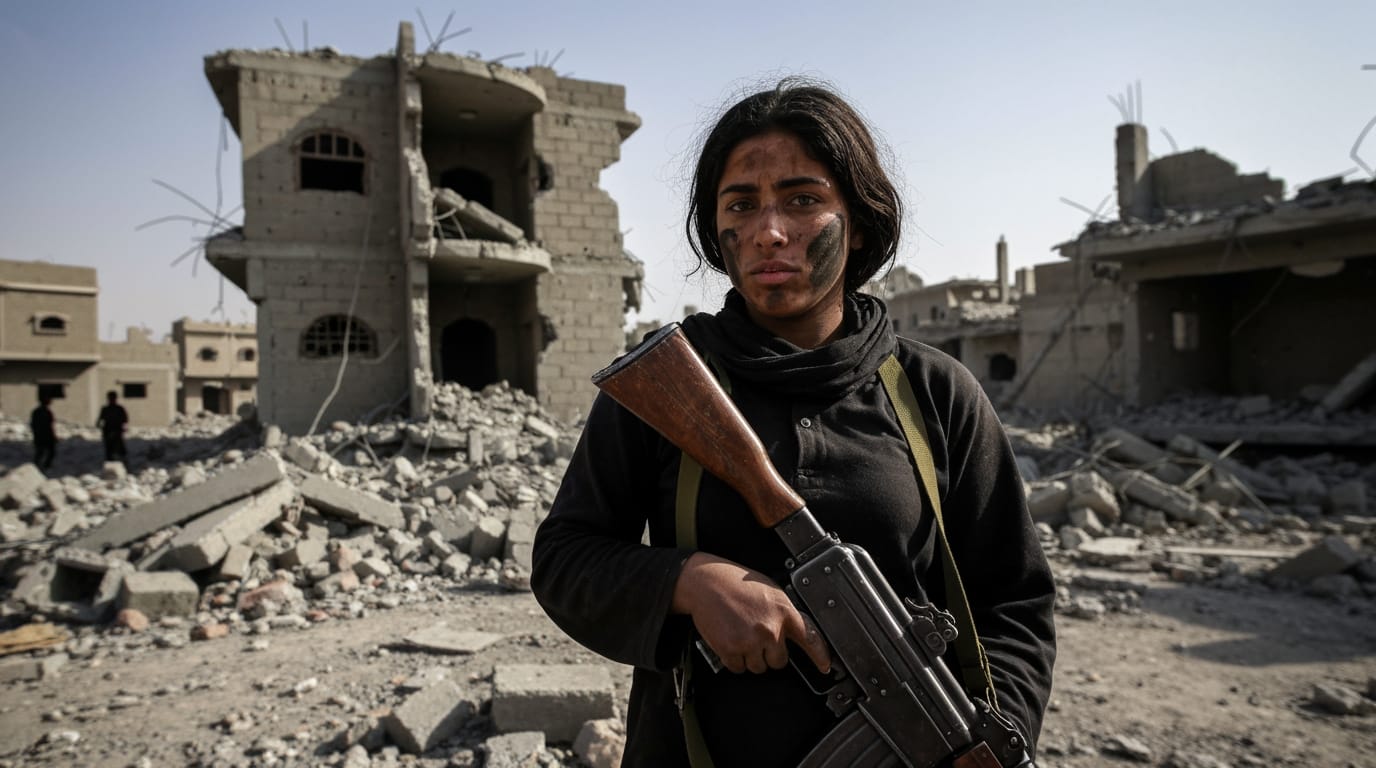
ADEN, Yemen – A significant power shift is underway in Yemen, as forces aligned with the United Arab Emirates-backed Southern Transitional Council (STC) have launched a sweeping offensive across the nation's southern provinces. This strategic maneuver has fractured the long-standing military stalemate with the Houthi rebels and seized control of vital oil-rich territories, fundamentally altering the complex dynamics of the decadelong civil war and presenting new challenges to the prospect of a unified Yemeni state. The offensive not only intensifies the internal struggle among anti-Houthi factions but also carries profound implications for regional stability, international peace efforts, and the already dire humanitarian crisis gripping the country.
The Entrenched Houthi Stalemate
Yemen's civil war ignited in 2014 when the Houthi movement, officially known as Ansar Allah, swept from their northern stronghold and seized control of the capital, Sanaa, effectively forcing the internationally recognized government into exile. The Houthis, a Zaydi Shia revivalist political and military organization, have since maintained de facto governance over substantial portions of northern and western Yemen, including the capital and its most populous regions. In response to the Houthi advance, a Saudi-led coalition intervened militarily in 2015, aiming to restore the internationally recognized government. However, despite years of intense fighting and a naval blockade, the conflict largely settled into a grueling stalemate since 2022, with front lines stabilizing and the Houthis retaining their northern strongholds. This protracted conflict has exacted an catastrophic toll on the Yemeni populace, triggering one of the world's worst humanitarian crises, marked by widespread famine, recurrent cholera outbreaks, and the displacement of millions.
The Assertive Rise of Southern Ambitions
Amidst the chaos of the civil war, the Southern Transitional Council emerged in May 2017 as a powerful political and military entity dedicated to advancing the self-determination and eventual independence of South Yemen. This ambition harks back to Yemen's pre-1990 history, when the south existed as the People's Democratic Republic of Yemen, a socialist state. Led by President Aidarus al-Zoubaidi, the STC draws its strength from a broad Southern Movement, which has long campaigned against perceived northern domination and marginalization following the 1990 unification. The STC has garnered crucial financial and military backing primarily from the United Arab Emirates, enabling it to establish robust military capabilities, including forces like the Security Belt and Elite forces, which have been instrumental in securing key southern governorates. Notably, the STC formally joined the UN-recognized Yemeni government's Presidential Leadership Council (PLC) in 2022, with al-Zoubaidi serving as vice chairman. Despite this nominal alliance, the STC has consistently maintained its overarching goal of southern secession, often leading to friction with other factions within the anti-Houthi coalition.
Redrawing the Map: The Southern Offensive
The current offensive, launched by the STC in early December 2025, represents a dramatic escalation and a direct challenge to the existing power arrangements in southern Yemen. STC forces have rapidly seized control of the oil-rich provinces of Hadramout and Mahra, capturing key cities such as Seiyun and vital oil facilities. This expansion gives the STC control over all eight governorates that historically comprised South Yemen, marking the first time such comprehensive territorial command has been achieved. The strategic importance of these gains extends beyond mere territory, encompassing crucial ports, borders, and energy installations, thereby significantly enhancing the STC's political and economic leverage. The offensive has caused considerable friction within the anti-Houthi bloc, effectively pitting the UAE-backed STC against the Saudi-backed internationally recognized government (PLC), despite both ostensibly fighting the Houthis. Reports indicate that Saudi forces have even withdrawn from strategic locations in Aden and other areas in the face of the STC's rapid advances. The STC justifies its aggressive actions by claiming the necessity to ensure security, combat extremist groups like Al-Qaeda in the Arabian Peninsula (AQAP), and disrupt smuggling routes believed to benefit the Houthi militias.
Regional Repercussions and International Quandaries
The southern power push has sent ripples throughout the region, significantly expanding the United Arab Emirates' influence within the Yemeni conflict. Conversely, Saudi Arabia has reportedly expressed "deep dissatisfaction" with the STC's unilateral actions, underscoring growing tensions between the two Gulf powers who, despite their coalition against the Houthis, back rival factions in Yemen's south. This fragmentation among anti-Houthi forces severely complicates efforts to find a unified front or a negotiated solution for the broader Yemeni conflict.
The renewed calls for an independent southern state, bolstered by these territorial gains, pose a significant challenge to United Nations-led peace initiatives that have largely focused on a unified federal government structure. International bodies and Western diplomats have historically opposed the formal fragmentation of Yemen, fearing it would lead to further instability. While the Houthis in the north remain largely unaffected militarily by these southern shifts, a potential resumption of widespread ground conflict could lead them to reignite missile and drone attacks on Saudi Arabia, the UAE, and critical Red Sea shipping lanes, raising global concerns for maritime security and energy supply. Should the south achieve independence, the new state would likely face immense economic and security challenges, inheriting an empty treasury and struggling with governance amidst regional rivalries.
The latest developments necessitate a re-evaluation of strategies by all involved parties, particularly as the humanitarian situation continues to deteriorate, with over 21 million people requiring aid and more than 4.5 million displaced.
An Uncertain Path Forward
The southern power push marks a critical juncture in the protracted Yemeni conflict, transforming it from a seemingly two-sided struggle between the Houthis and the internationally recognized government into an increasingly fragmented landscape with multiple assertive actors. The STC's recent gains demonstrate a clear intent to reshape the country's political geography, introducing a potent third dimension to the conflict that complicates any straightforward resolution. The future of Yemen now hinges on an intricate balance of power among these factions, with regional rivalries and international diplomacy playing crucial roles. A lasting peace will undoubtedly require inclusive negotiations, robust regional cooperation, and an unwavering commitment to addressing the urgent humanitarian needs of the Yemeni people, lest the nation descend into further instability and permanent fragmentation.


