SpaceX Aborts Starship Test Flight at Last Minute Due to Technical Issue
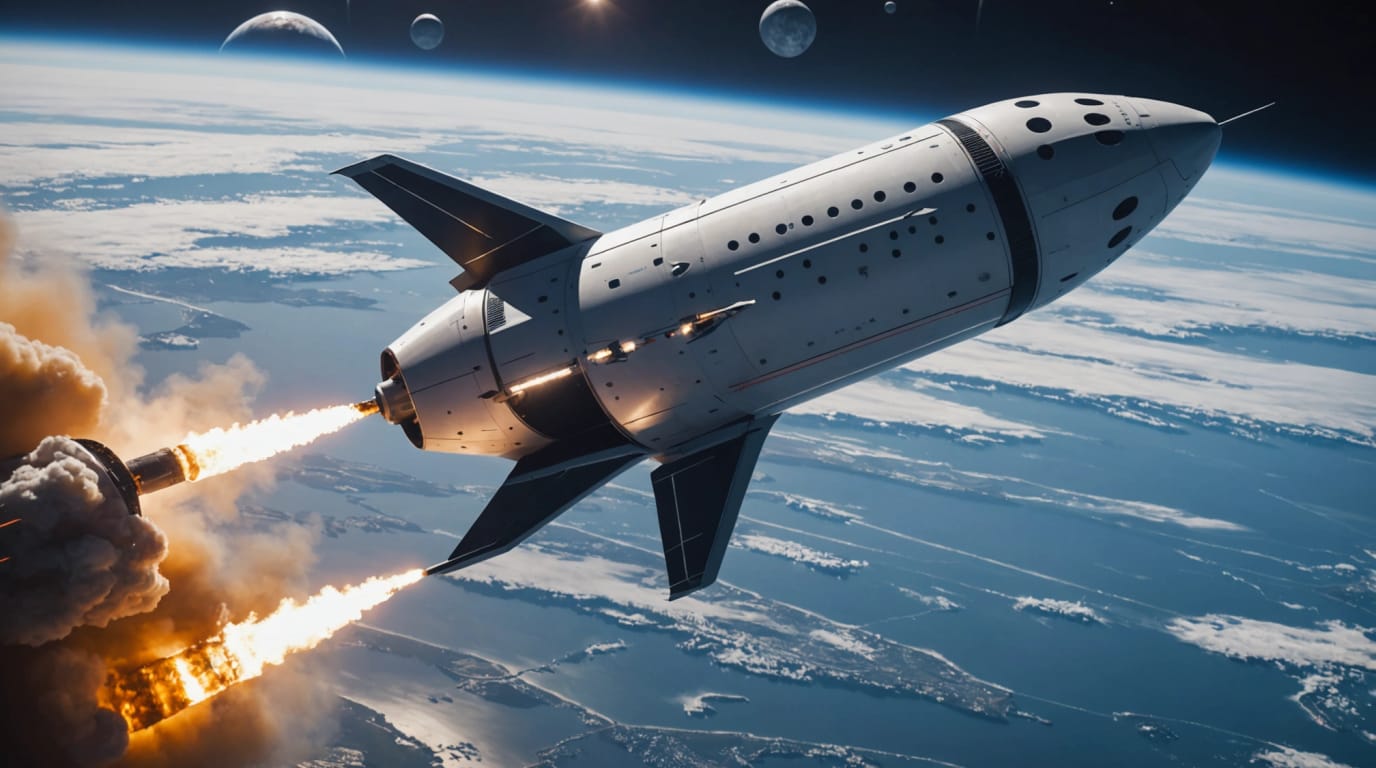
SpaceX called off the highly anticipated eighth test flight of its Starship rocket on Monday just seconds before the scheduled launch, marking another setback for the company's ambitious deep-space exploration program. The mission, intended to build upon previous flight tests and achieve new objectives, was scrubbed due to an unspecified technical issue.
The countdown was halted with approximately 40 seconds remaining, leaving spectators and space enthusiasts in suspense. SpaceX announced the cancellation via a post on X, stating, "Standing down from today's flight test attempt. The Starship team is determining the next best available opportunity to fly."
Elon Musk, the owner of SpaceX, addressed the situation on X, mentioning "Too many question marks about this flight and then we were 20 bar low on ground spin start pressure." He suggested, "Best to destack, inspect both stages and try again in a day or two."
Unspecified Technical Issue Halts Launch
The precise nature of the technical problem that led to the abort remains unclear. SpaceX has not yet released detailed information about the issue, but Musk's comments suggest a potential problem with the ground spin start pressure. Engineers are currently evaluating the data to determine the root cause and implement necessary corrective actions. The company said it is assessing the "next best available opportunity to fly."
This latest delay underscores the challenges inherent in developing a complex and groundbreaking spacecraft like Starship. Test flights are crucial for identifying and resolving unforeseen issues, pushing the boundaries of aerospace technology.
Starship's Role in Space Exploration
Starship, the world's largest and most powerful rocket, is central to Elon Musk's vision of enabling deep-space exploration, including establishing a permanent human presence on Mars. The fully reusable two-stage system is designed to transport both crew and cargo to various destinations throughout the solar system.
NASA is also relying on a version of Starship for its Artemis program, which aims to return humans to the Moon. Before Starship can fulfill these ambitious goals, SpaceX must demonstrate the spacecraft's reliability and performance through a series of rigorous test flights.
Previous Test Flights and Setbacks
The aborted launch follows a previous Starship test flight in January that ended in an explosion over the Turks and Caicos Islands. While that flight achieved several milestones, including successful stage separation, it ultimately failed to reach its intended orbit.
SpaceX is still investigating the cause of the January incident, but the Federal Aviation Administration (FAA) has granted the company permission to continue Starship missions after completing a comprehensive safety review.
Each test flight provides valuable data and insights that contribute to the iterative development process. SpaceX incorporates lessons learned from previous flights to improve the design and operational procedures of Starship.
Awaiting the Next Launch Window
The delay leaves the timeline for the next Starship test flight uncertain. SpaceX engineers will need time to thoroughly inspect the vehicle, address the identified technical issue, and prepare for another launch attempt.
The company has not yet announced a new target launch date, but Musk's suggestion of reattempting the flight in "a day or two" indicates a desire to resolve the issue quickly. However, the timing will depend on the complexity of the problem and the availability of necessary resources.
The next flight was slated to include the first ever deployment of a payload into orbit, with four dummy Starlink satellites set to be released during the 90-minute flight test.
Implications for SpaceX and Space Exploration
The repeated delays and setbacks in the Starship program highlight the inherent risks and challenges of space exploration. Developing a fully reusable spacecraft capable of transporting large payloads to distant destinations requires overcoming significant technological hurdles.
Despite the challenges, SpaceX remains committed to its vision of making space travel more accessible and affordable. The company's relentless pursuit of innovation has already revolutionized the space industry, and Starship represents the next giant leap in that journey.
The success of Starship is not only crucial for SpaceX's ambitions but also for the broader space exploration community. The spacecraft's capabilities could enable a wide range of scientific missions, commercial ventures, and international collaborations.
As SpaceX works to resolve the technical issues and prepare for the next test flight, the world will be watching closely, eager to witness the next chapter in the Starship saga. The future of space exploration may very well depend on it.


